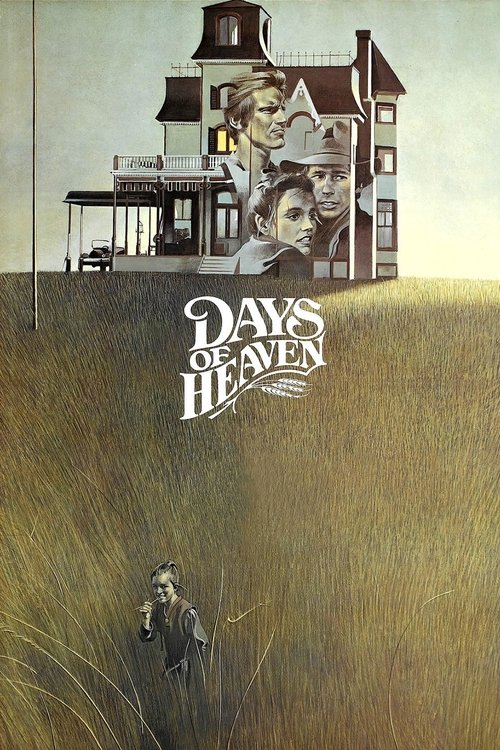
Days of Heaven (Terrence Malick, 1978)
Nestor Almendros shot almost the entire picture in the twenty minutes after sunset, using the magic hour as a production constraint rather than a flourish, and Haskell Wexler...
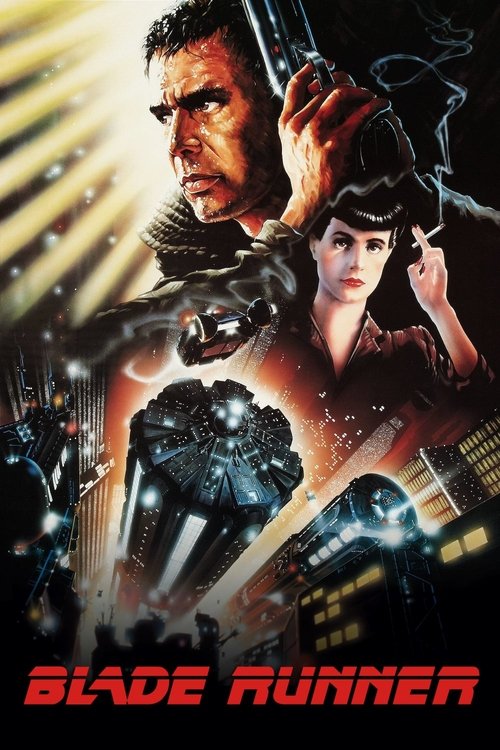
Blade Runner (Ridley Scott, 1982)
Jordan Cronenweth built the look out of hard backlight, atmospheric smoke and practical sources inside the frame, so the light always appears to come from the world rather than...
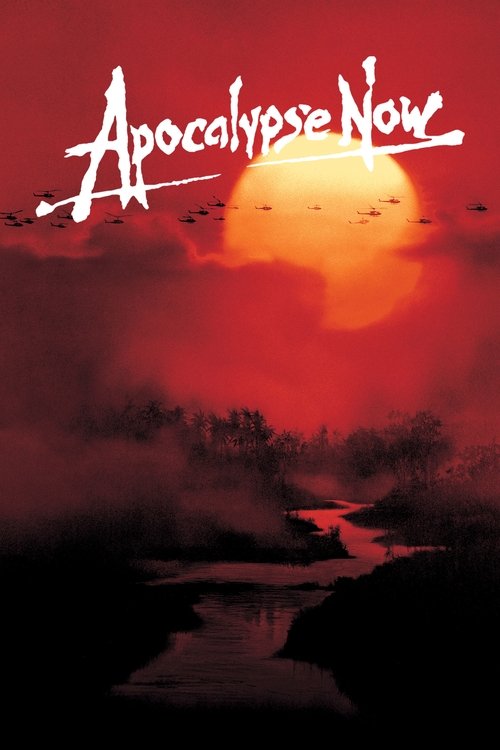
Apocalypse Now (Francis Ford Coppola, 1979)
Vittorio Storaro built a colour system across the film, moving from natural daylight into saturated theatrical fire as the boat travels upriver, so the palette carries the moral...
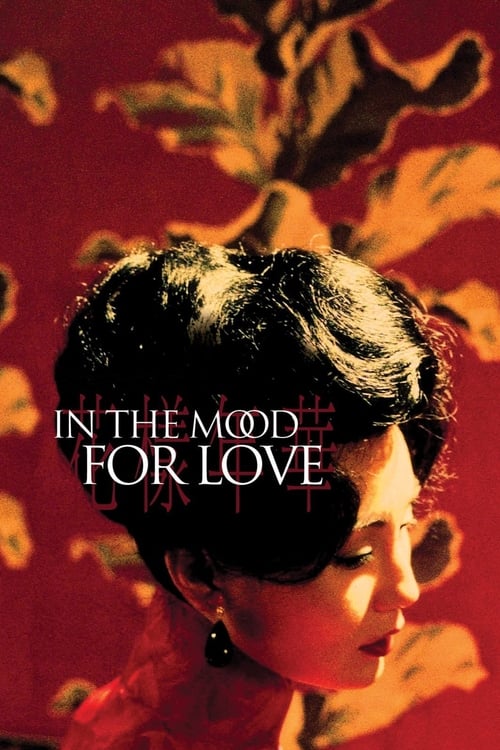
In the Mood for Love (Wong Kar-wai, 2000)
Christopher Doyle and Mark Lee Ping-bing shoot through doorways, mirrors, curtains and corridors, so the audience is nearly always looking at the characters from a position of...
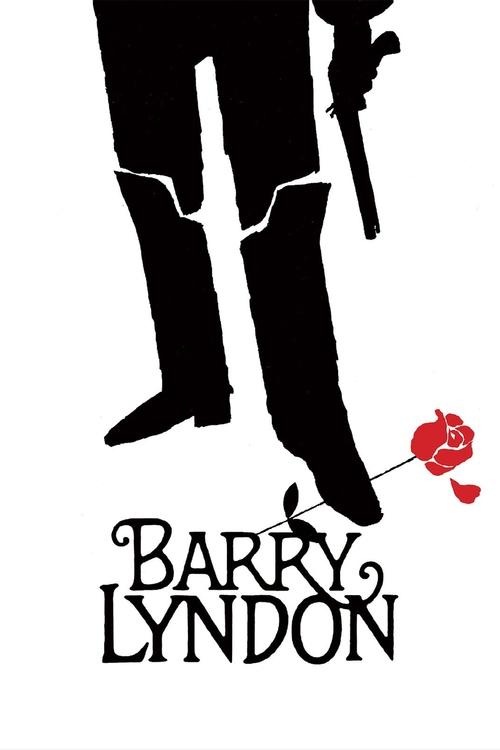
Barry Lyndon (Stanley Kubrick, 1975)
John Alcott and Kubrick shot candlelit interiors on modified Zeiss lenses originally built for NASA, achieving exposures at roughly f0.7 with no supplementary lighting. The...
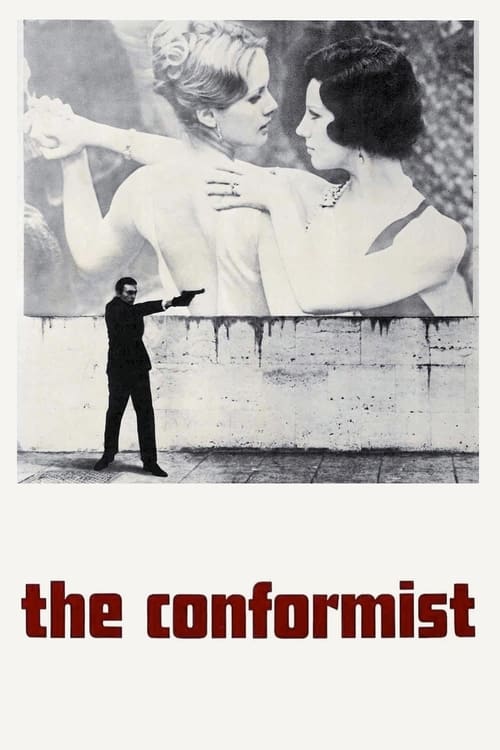
The Conformist (Bernardo Bertolucci, 1971)
Storaro's work here is the reference point that a generation of American cinematographers openly copied, from the slatted shadows to the wide-angle architectural compositions...
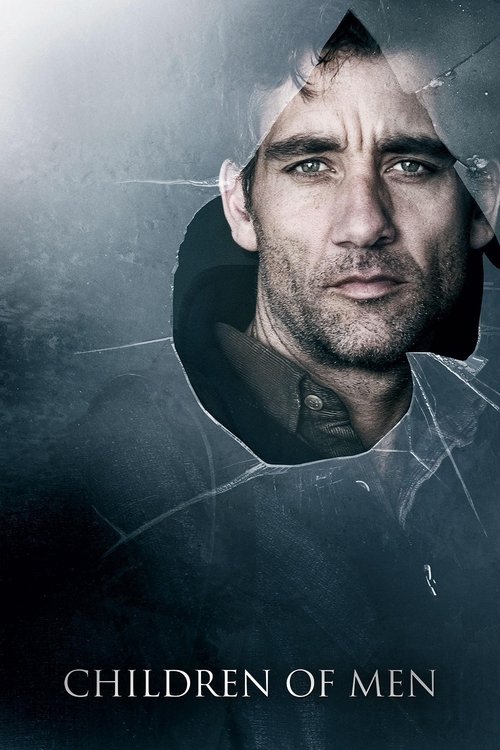
Children of Men (Alfonso Cuaron, 2006)
Emmanuel Lubezki's long takes are the visible part, but the engineering behind them is the lesson: purpose-built camera rigs, a car with removable seats, and blocking rehearsed...
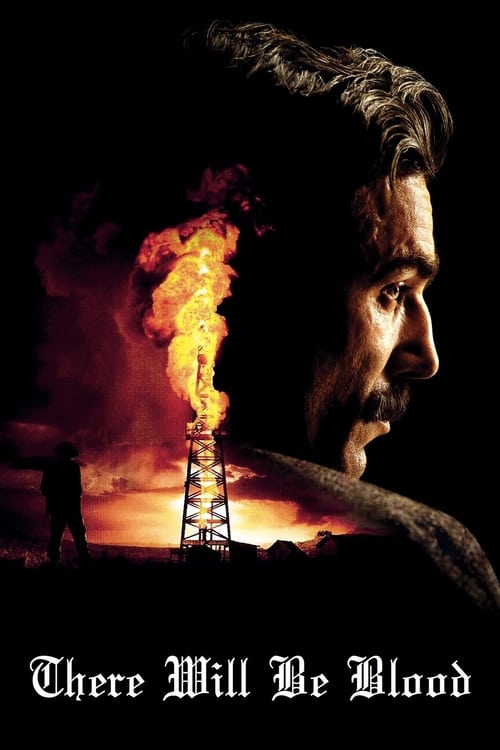
There Will Be Blood (Paul Thomas Anderson, 2007)
Robert Elswit shot on anamorphic with a preference for wide, patient masters that let performance play out inside a landscape. The derrick fire is lit largely by the fire itself...
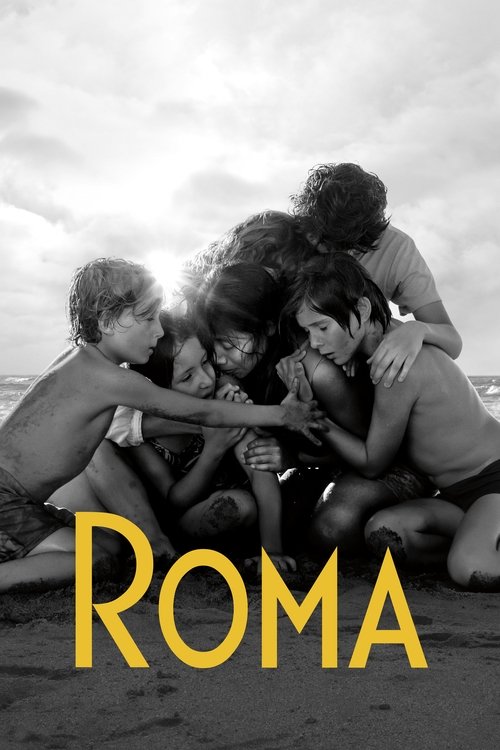
Roma (Alfonso Cuaron, 2018)
Cuaron shot it himself in 65mm digital black and white, working almost entirely in lateral pans and slow tracking moves at a fixed height. The choice removes conventional...
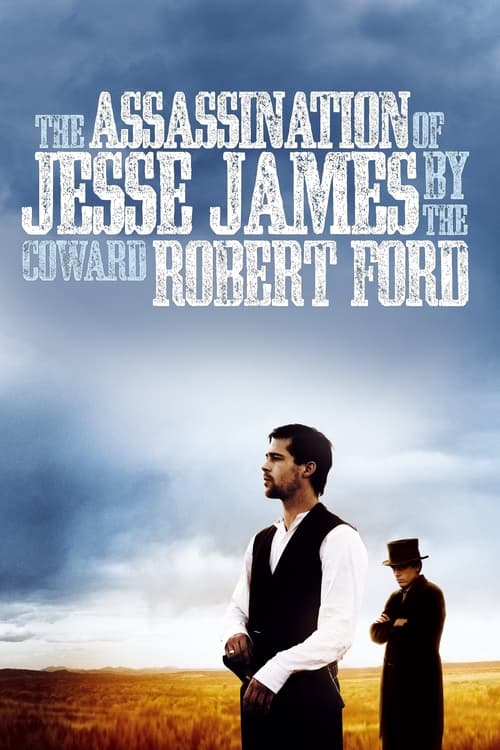
The Assassination of Jesse James by the Coward Robert Ford (Andrew Dominik, 2007)
Roger Deakins used vignetting and distorted period-style lenses for the train robbery and interstitial passages, producing an image that looks recovered rather than manufactured...
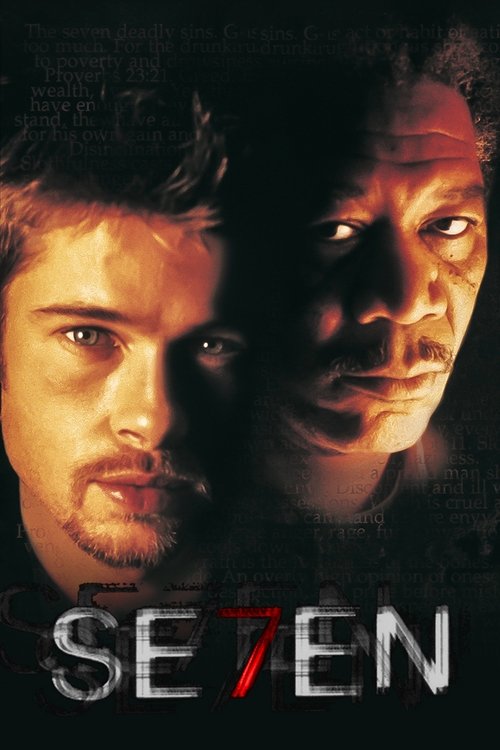
Se7en (David Fincher, 1995)
Darius Khondji used the bleach bypass process on the print, holding silver in the emulsion to crush blacks and desaturate everything else. Interiors are lit with small hard...
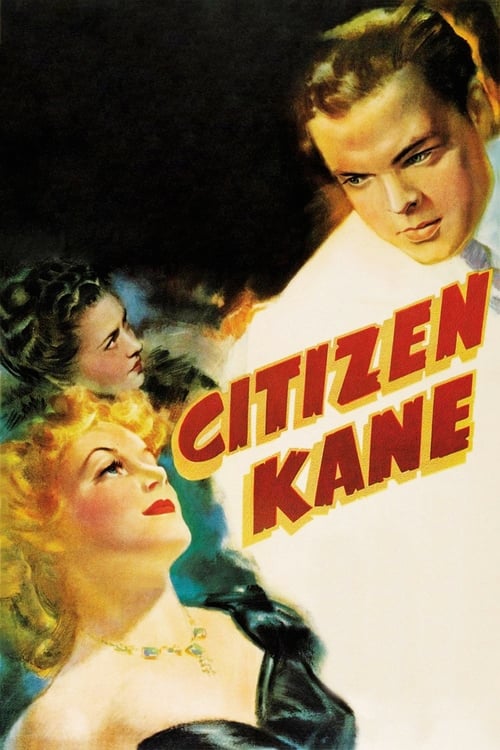
Citizen Kane (Orson Welles, 1941)
Gregg Toland's deep focus keeps foreground, middle and background sharp at once, allowing Welles to stage in depth instead of cutting between planes. Ceilings appear in shot...
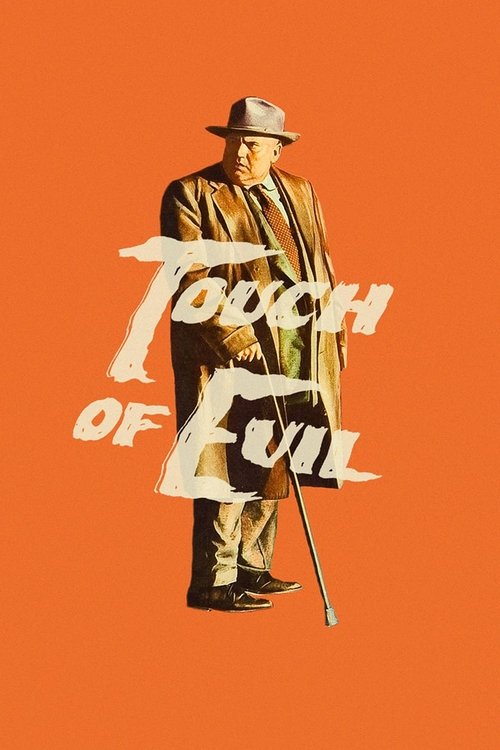
Touch of Evil (Orson Welles, 1958)
The opening crane shot runs over three minutes and moves through a border town, a street, and two conversations before the bomb pays it off. Russell Metty's photography leans on...
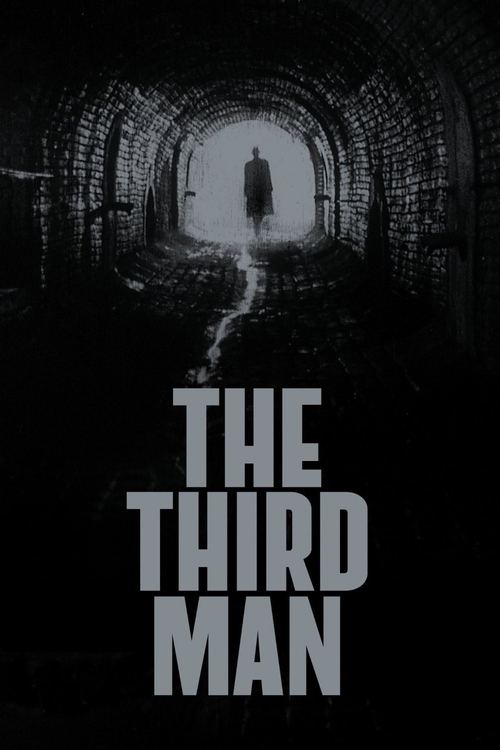
The Third Man (Carol Reed, 1949)
Robert Krasker photographed postwar Vienna in wet cobblestone reflections and canted Dutch angles that tilt the whole moral world. Night exteriors are lit with hard low sources...
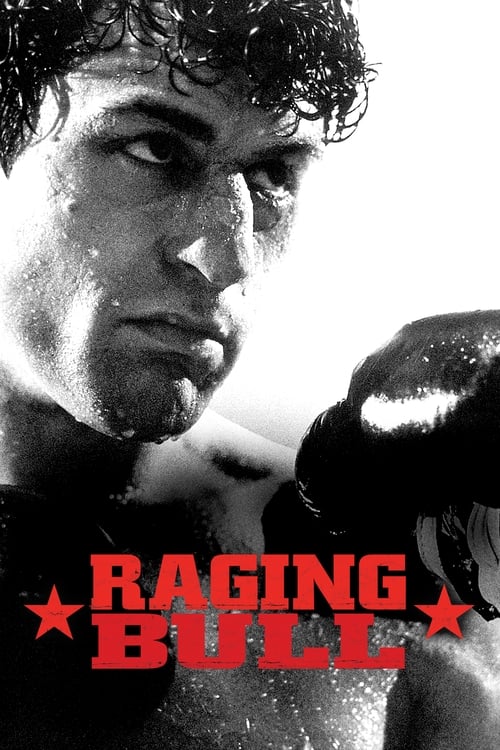
Raging Bull (Martin Scorsese, 1980)
Michael Chapman shot in black and white to sidestep the problem of blood on colour stock and to place the film in the period's own photography. Ring sequences change lens, frame...

Mad Max: Fury Road (George Miller, 2015)
John Seale and Miller centre the point of interest in nearly every frame so the eye never has to search during high-speed cutting. Day exteriors are pushed to saturated orange and...
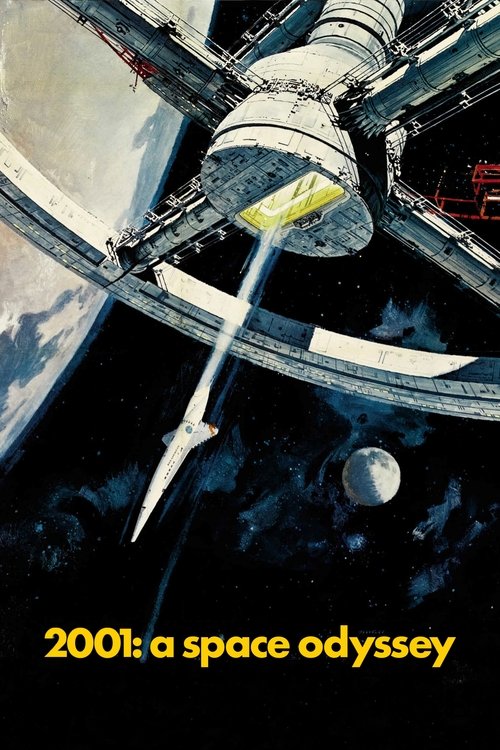
2001: A Space Odyssey (Stanley Kubrick, 1968)
Geoffrey Unsworth and John Alcott shot enormous rotating sets that let actors walk up walls in camera, with lighting built into the set itself. Front projection created the...
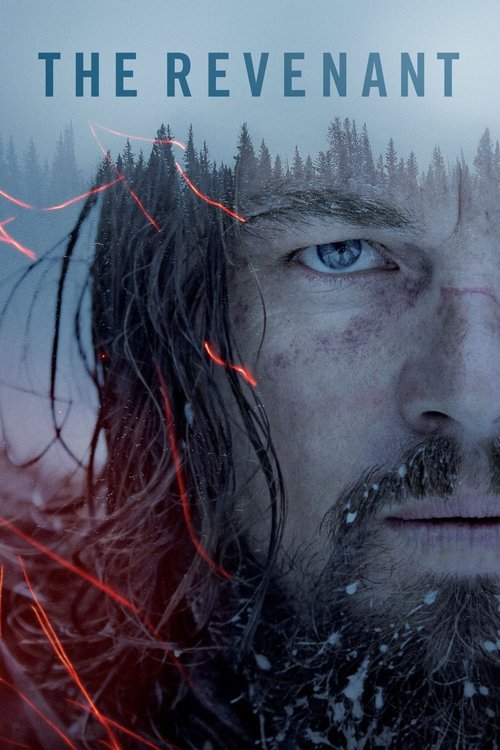
The Revenant (Alejandro G. Inarritu, 2015)
Lubezki shot on natural light only, which limited most days to a short usable window and dictated the entire production schedule. Extremely wide lenses are used close to faces, so...
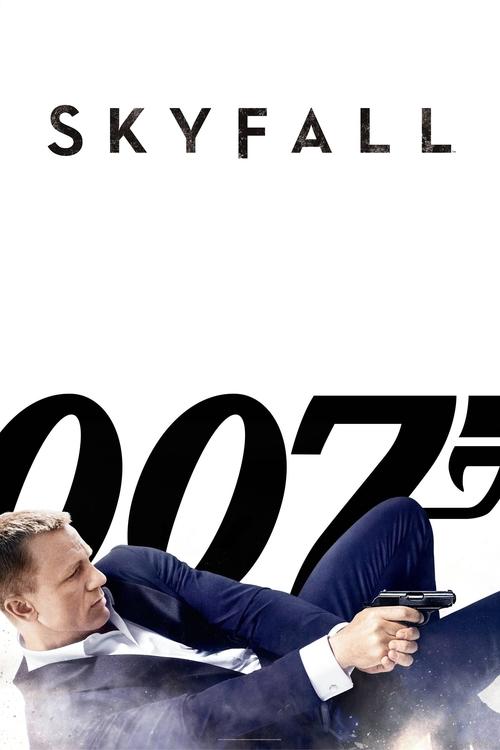
Skyfall (Sam Mendes, 2012)
Deakins shot the Shanghai high-rise fight entirely in silhouette against a moving LED advertising screen, resolving a stunt sequence into pure graphic shape. Elsewhere the film...

Moonlight (Barry Jenkins, 2016)
James Laxton and Jenkins used three distinct visual grammars for the three chapters, shifting stock emulation, colour and camera behaviour as the protagonist ages. Skin tones were...
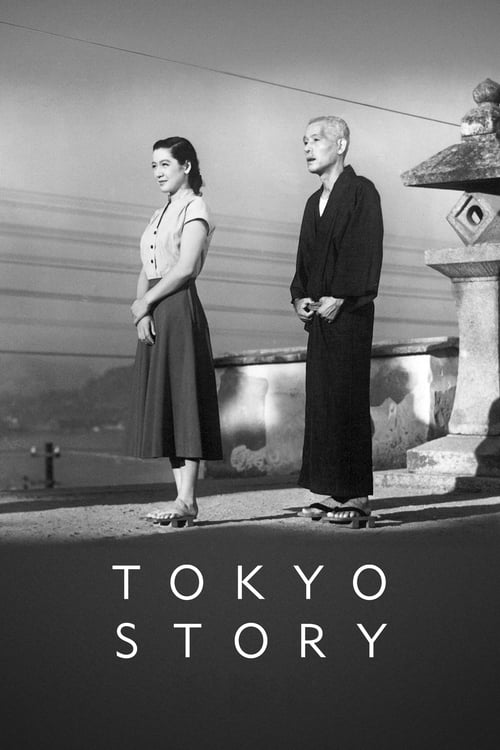
Tokyo Story (Yasujiro Ozu, 1953)
Ozu shoots from a low fixed position, cuts on graphic matches rather than action, and refuses the reverse-angle conventions of Hollywood coverage. Characters address the camera...
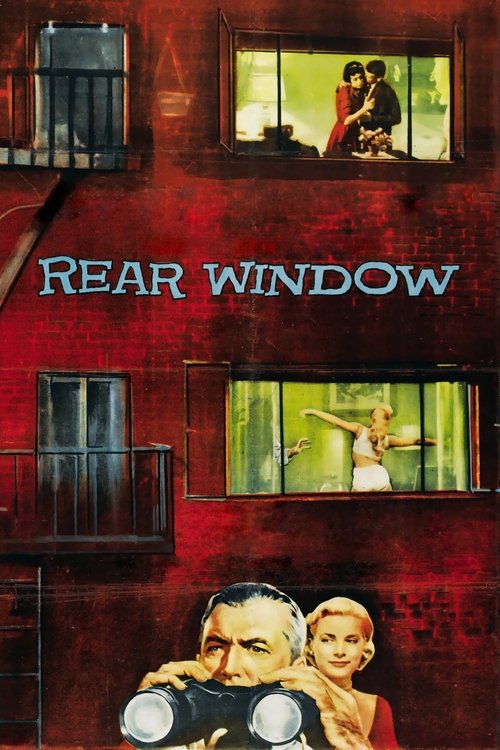
Rear Window (Alfred Hitchcock, 1954)
The entire film is staged from a single apartment looking onto a courtyard set built at full scale on a Paramount stage. Hitchcock constructs suspense out of point of view: what...
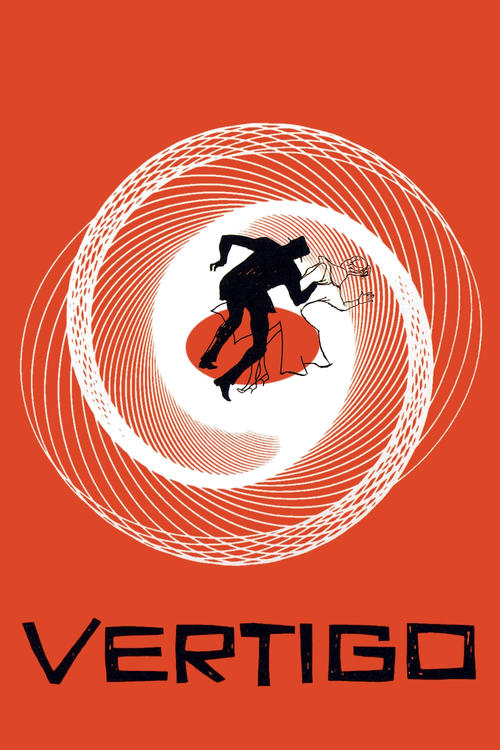
Vertigo (Alfred Hitchcock, 1958)
The dolly zoom was invented for this film to visualise a subjective sensation that could not be described in dialogue. Colour is used systematically, with green and red assigned...
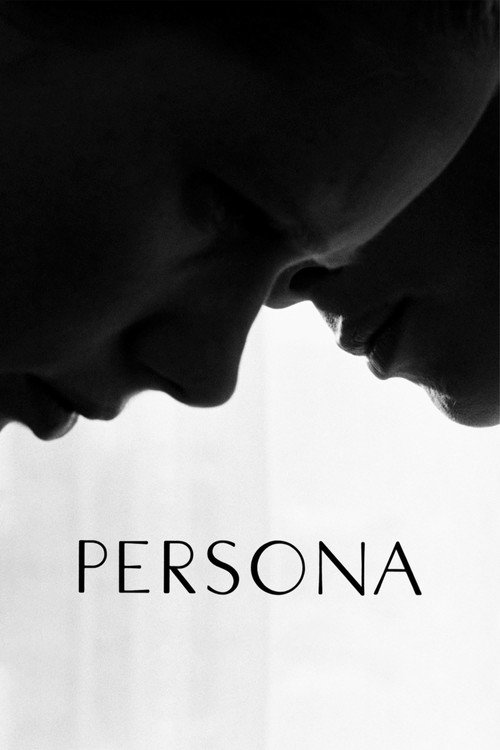
Persona (Ingmar Bergman, 1966)
Sven Nykvist photographs two faces in extreme close-up for most of the running time, and the direction is largely about when to merge them. The film breaks its own surface twice...
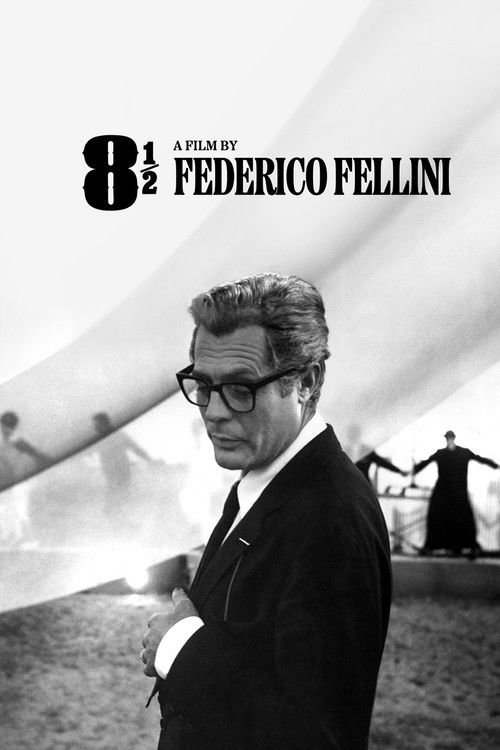
8 1/2 (Federico Fellini, 1963)
Fellini stages memory, fantasy and production reality in the same continuous space, so a character can walk from a meeting into a dream without a cut announcing it. The camera is...
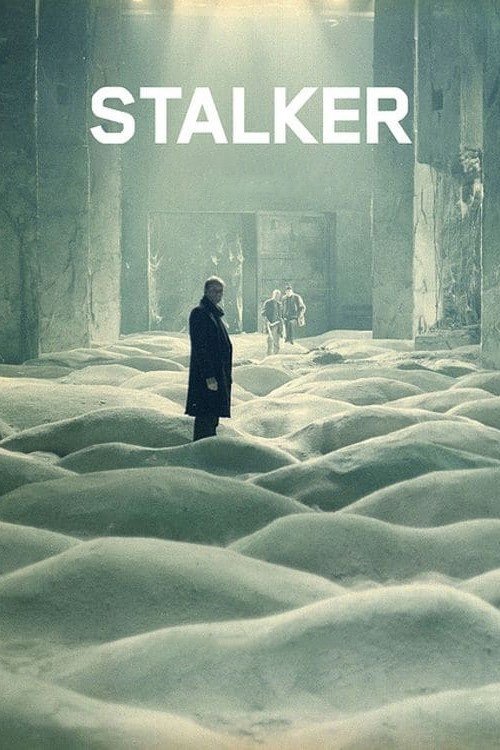
Stalker (Andrei Tarkovsky, 1979)
Tarkovsky holds shots far beyond conventional tolerance, using duration to shift the audience from watching to inhabiting. The film changes between sepia and colour to mark the...
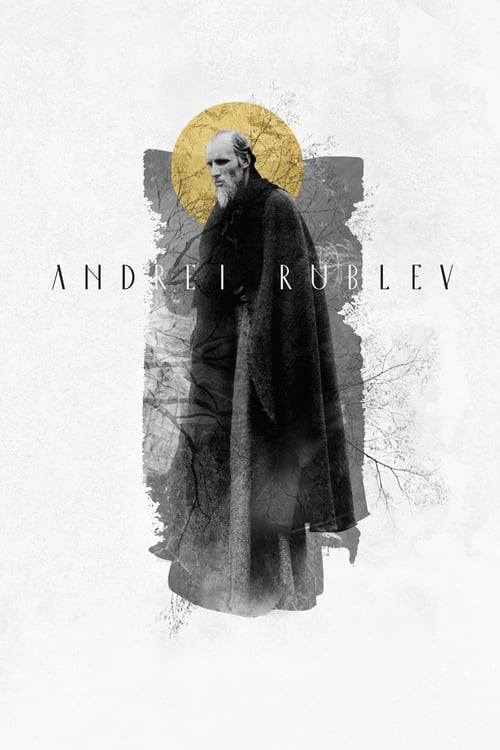
Andrei Rublev (Andrei Tarkovsky, 1966)
The film is built as episodes across decades, connected by a theme rather than a plot line, which is a structural risk few directors take. The bell casting sequence is a...

Seven Samurai (Akira Kurosawa, 1954)
Kurosawa shot with multiple cameras and long lenses so performances stayed continuous while coverage was gathered simultaneously, a method borrowed by half of modern action...

Rashomon (Akira Kurosawa, 1950)
The same event is staged four times with different blocking, performance register and camera behaviour, so the contradiction is carried visually rather than by narration. Kazuo...
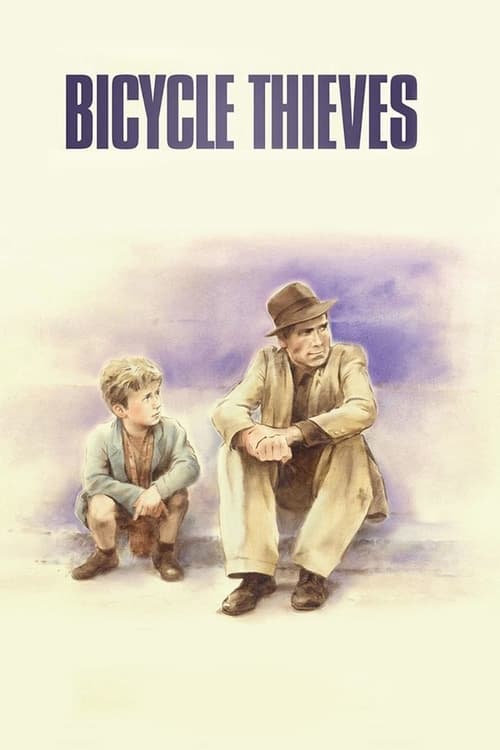
Bicycle Thieves (Vittorio De Sica, 1948)
De Sica cast non-professionals and shot in real Roman streets, which meant directing behaviour rather than performance. The plot is almost nothing, a stolen bicycle and a search...
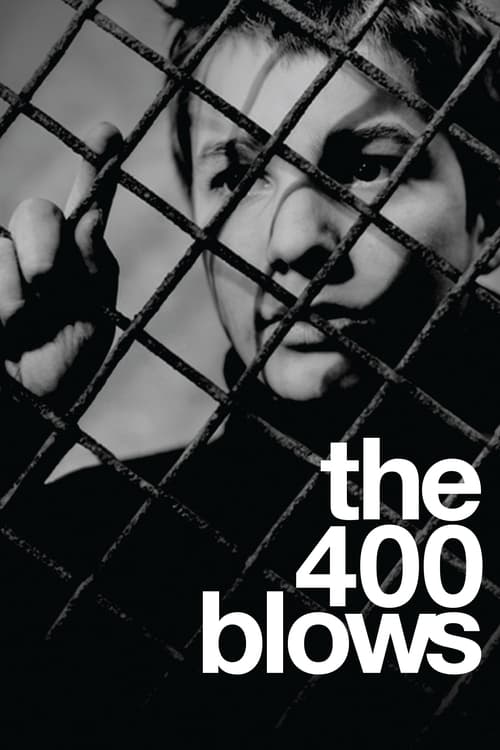
The 400 Blows (Francois Truffaut, 1959)
Truffaut directs a child actor into a performance built from small gestures rather than emotional demonstration. The famous final shot runs long on a beach and ends on a freeze...
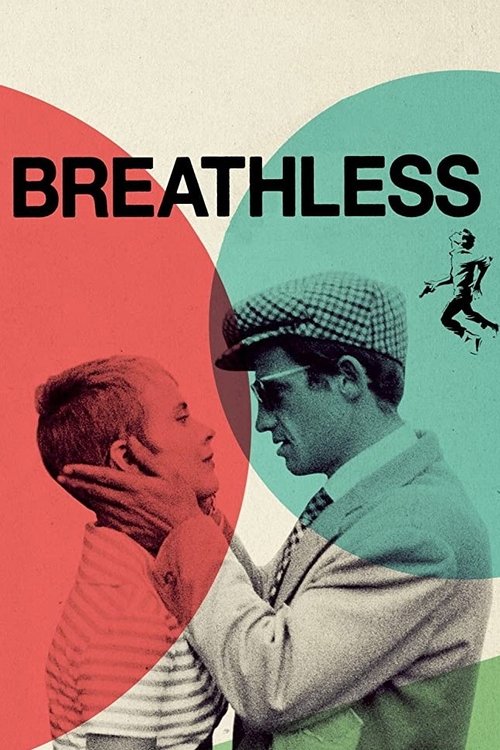
Breathless (Jean-Luc Godard, 1960)
Godard shot handheld in real streets with available light, using a wheelchair as a dolly and cutting the film down with jump cuts because it ran long. What began as a practical...
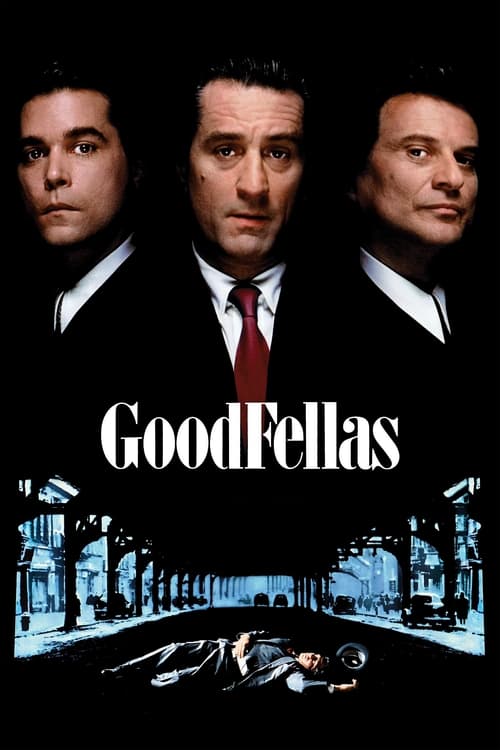
Goodfellas (Martin Scorsese, 1990)
The Copacabana Steadicam shot dramatises status through geography, showing rather than stating what access means. Voiceover from two narrators, freeze frames and direct address...
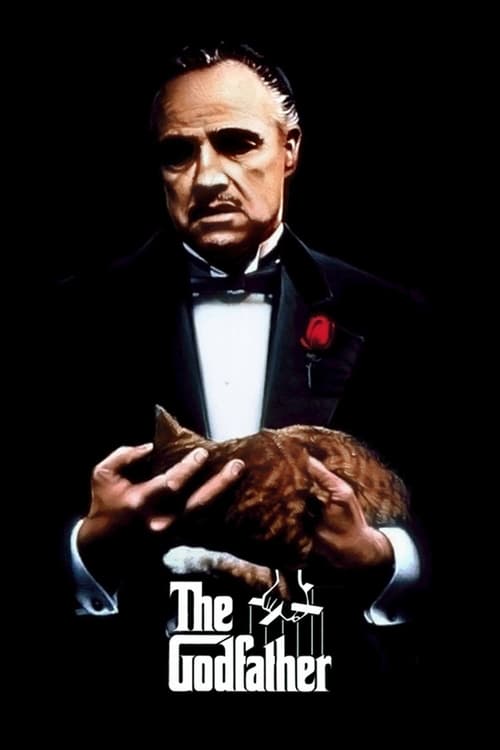
The Godfather (Francis Ford Coppola, 1972)
Gordon Willis lit interiors from above so eyes fall into shadow, a choice the studio resisted and Coppola defended. The baptism cross-cut is the most quoted montage in American...
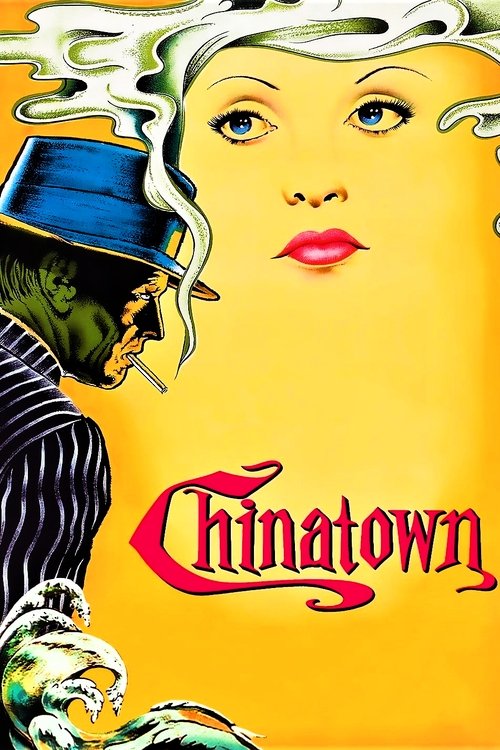
Chinatown (Roman Polanski, 1974)
Polanski restricts the audience to the detective's knowledge with near total discipline, so the camera almost never sees what he cannot. That restriction makes the final act...
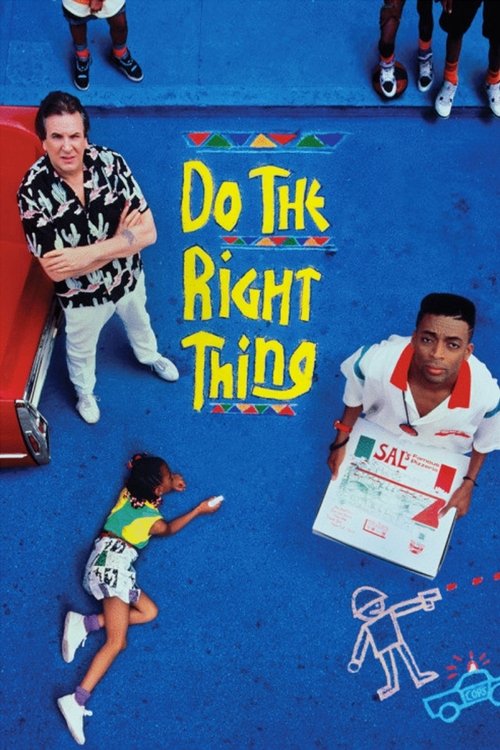
Do the Right Thing (Spike Lee, 1989)
Ernest Dickerson lit an entire block to feel like a heat wave, and Lee stages the film across one street over one day with theatrical rigour. Direct-address monologues break the...

Killer of Sheep (Charles Burnett, 1978)
Burnett shot on weekends with a student crew, non-professional actors and real Watts locations, and the film is now in the National Film Registry. The structure is episodic and...
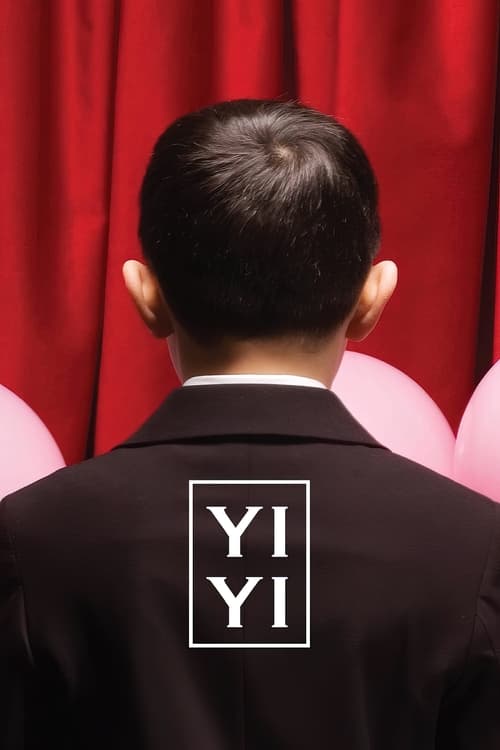
Yi Yi (Edward Yang, 2000)
Yang stages family life in wide, static compositions, often shooting through glass so the city reflects onto the characters. Three generations run in parallel and the film cuts...
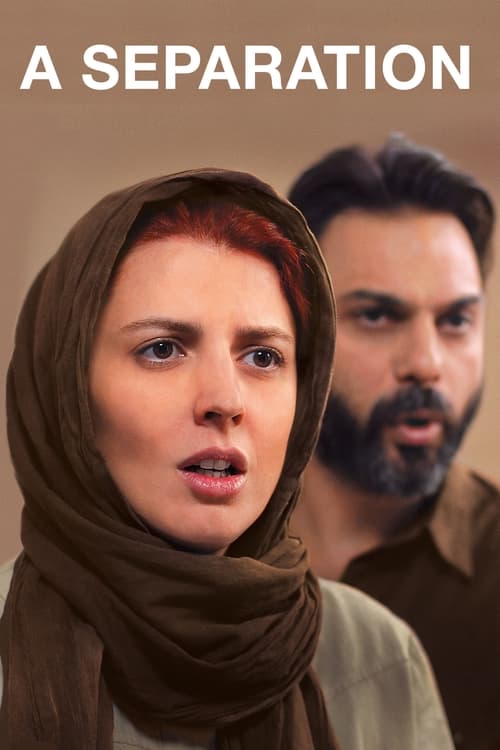
A Separation (Asghar Farhadi, 2011)
Farhadi withholds one fact from the audience and constructs an entire moral thriller on that single omission. Handheld camera in tight apartment corridors keeps the viewer inside...
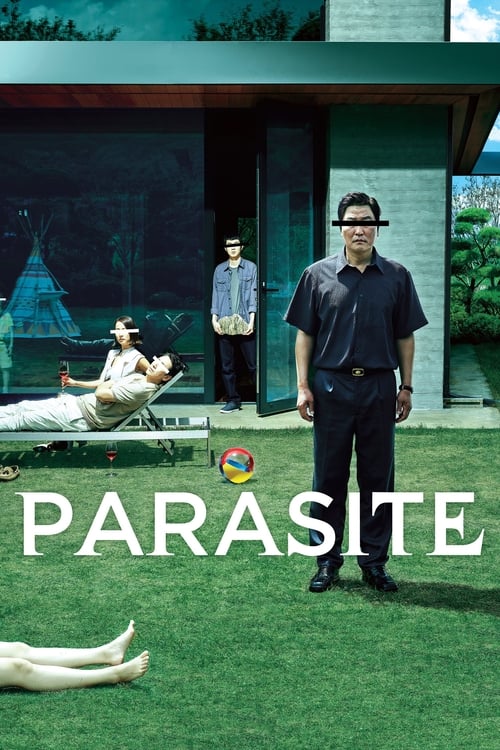
Parasite (Bong Joon Ho, 2019)
Bong storyboarded the film almost shot for shot, and the two houses were purpose built to make vertical movement legible in every scene. Staircases and level changes carry the...
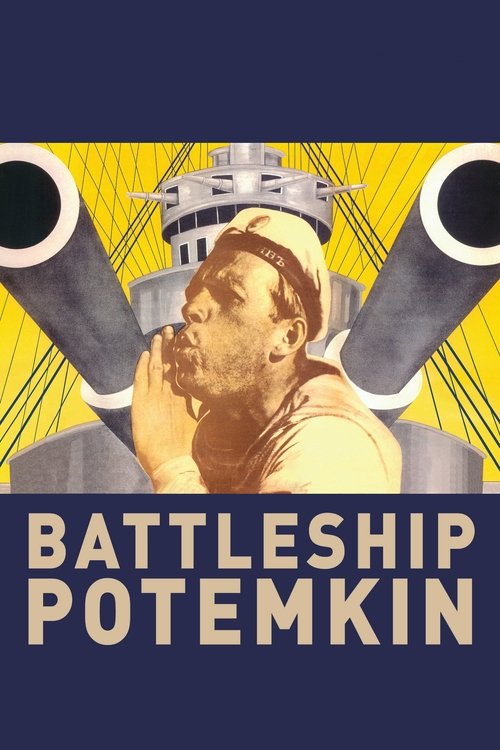
Battleship Potemkin (Sergei Eisenstein, 1925)
Eisenstein built the Odessa Steps sequence out of collision rather than continuity, cutting for conceptual impact instead of spatial logic. Time is deliberately expanded so the...
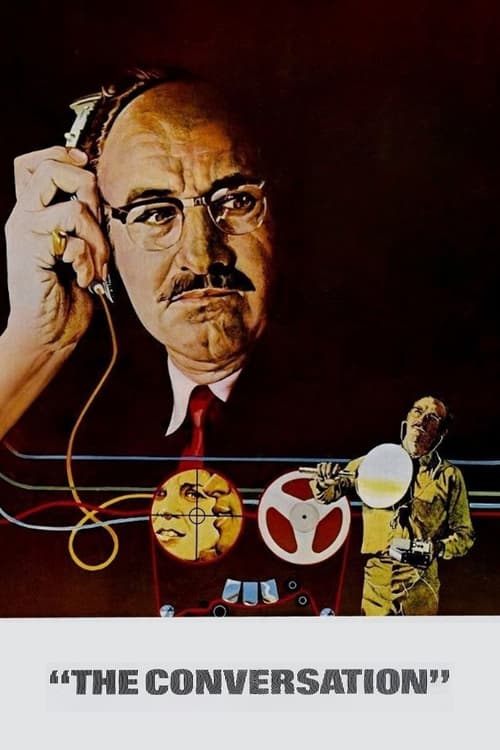
The Conversation (Francis Ford Coppola, 1974)
Walter Murch cut picture and designed sound simultaneously, and the film is structured around a recording that changes meaning each time it is replayed. Editing and mixing are...
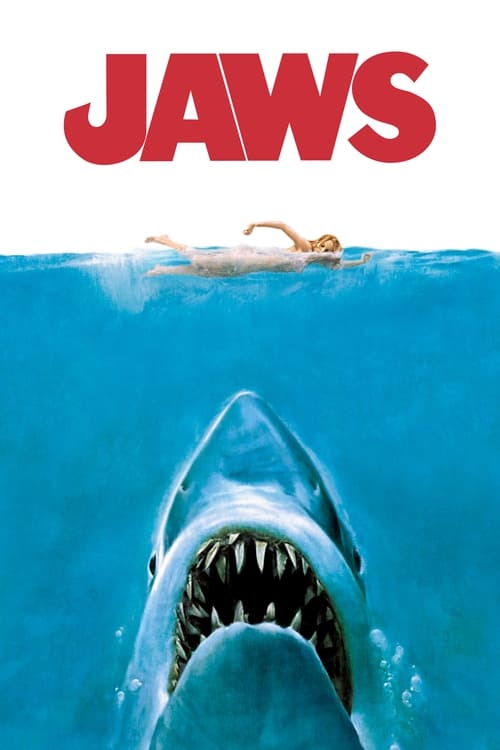
Jaws (Steven Spielberg, 1975)
Verna Fields cut around a malfunctioning mechanical shark, and the absence became the film's most famous asset. The beach attack sequence is built from short reaction shots and a...
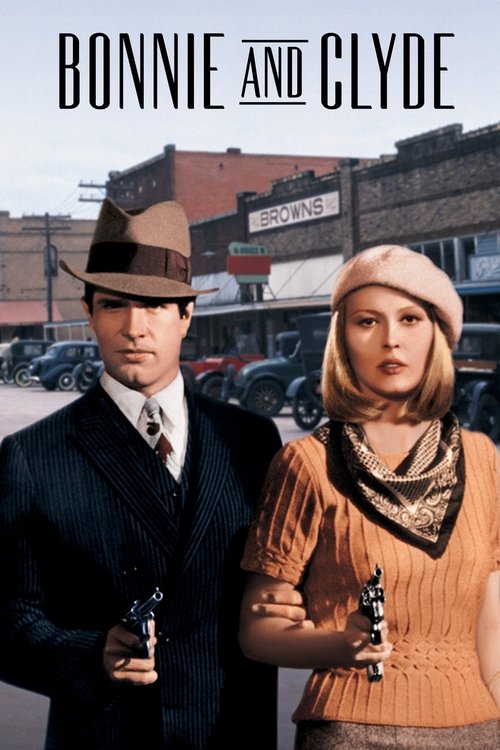
Bonnie and Clyde (Arthur Penn, 1967)
Dede Allen brought French New Wave cutting into an American studio picture, overlapping sound across cuts and starting scenes late. The ambush finale intercuts multiple frame...
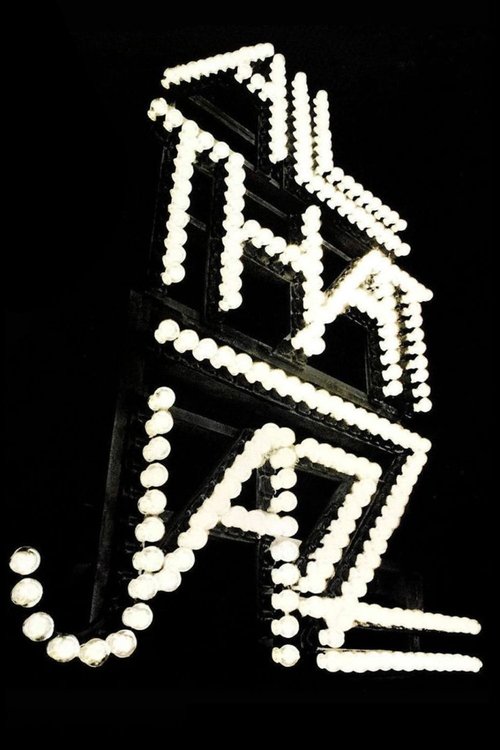
All That Jazz (Bob Fosse, 1979)
Alan Heim cut musical numbers, open heart surgery and daily rehearsal into one continuous nervous rhythm. The recurring morning routine montage is a structural refrain that...
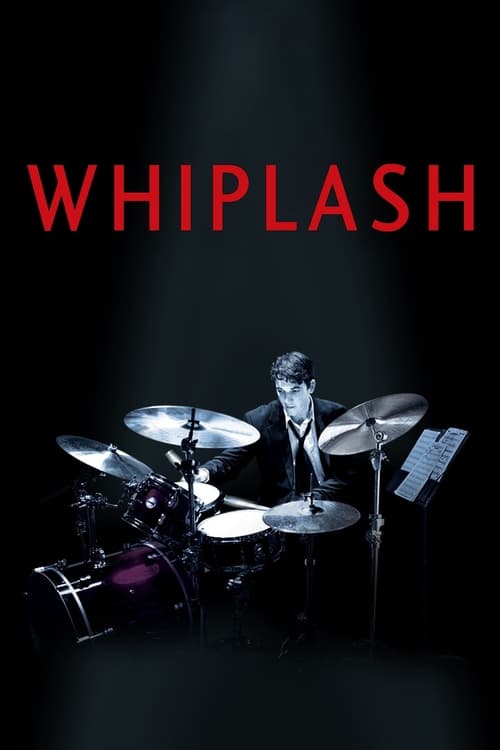
Whiplash (Damien Chazelle, 2014)
Tom Cross cut the drumming sequences to the music at a shot rate that approaches the tempo itself, so the audience feels the meter physically. Inserts of hands, cymbals, sweat and...
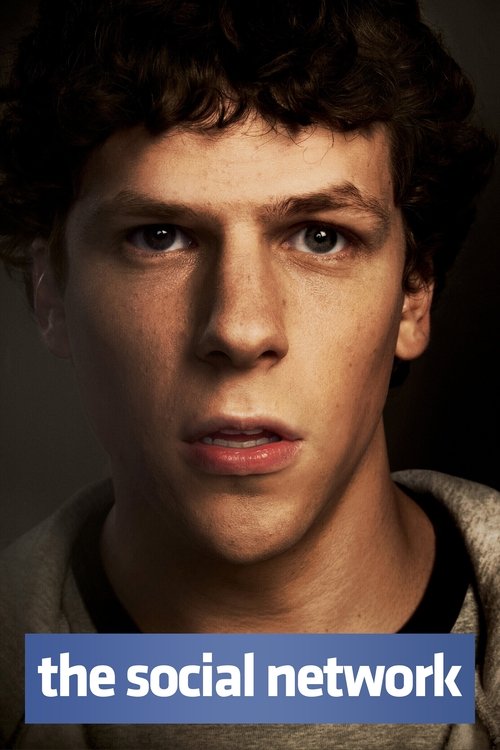
The Social Network (David Fincher, 2010)
Kirk Baxter and Angus Wall cut a dialogue film at a pace usually reserved for action, holding two timelines and two depositions in parallel. Overlapping speech across cuts keeps...
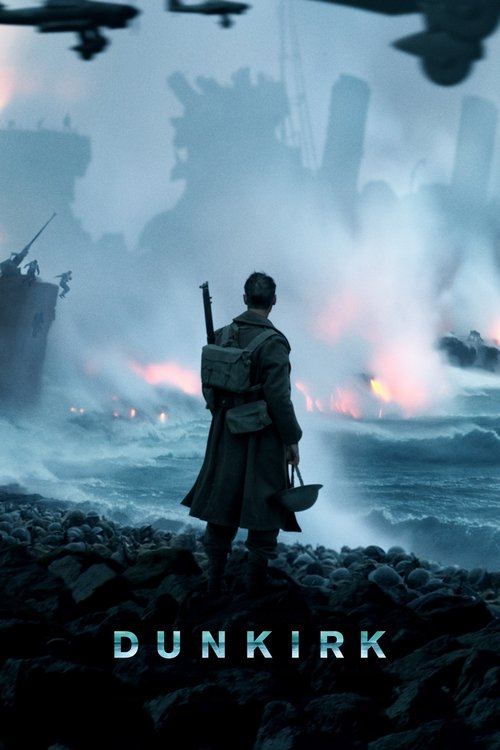
Dunkirk (Christopher Nolan, 2017)
Three timelines running at one week, one day and one hour are intercut as if simultaneous, which only works because Lee Smith aligned them to a rising musical structure. Hans...
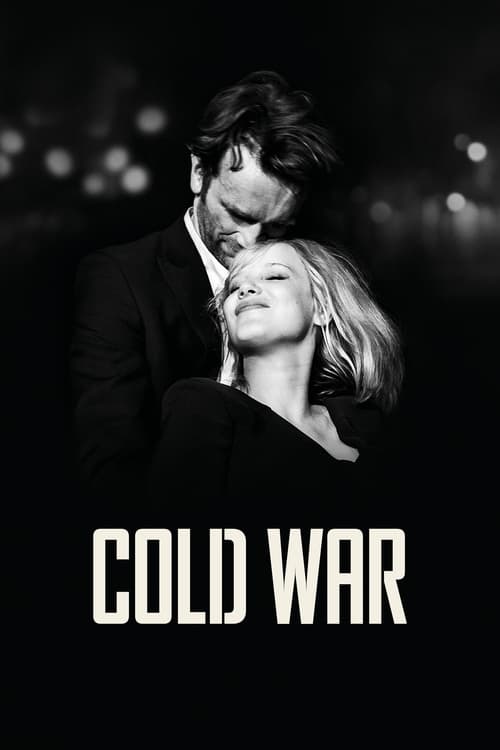
Cold War (Paweł Pawlikowski, 2018)
The film covers fifteen years in under ninety minutes by cutting to black between chapters and trusting the audience to fill the gaps. Each ellipsis removes exactly the scene a...
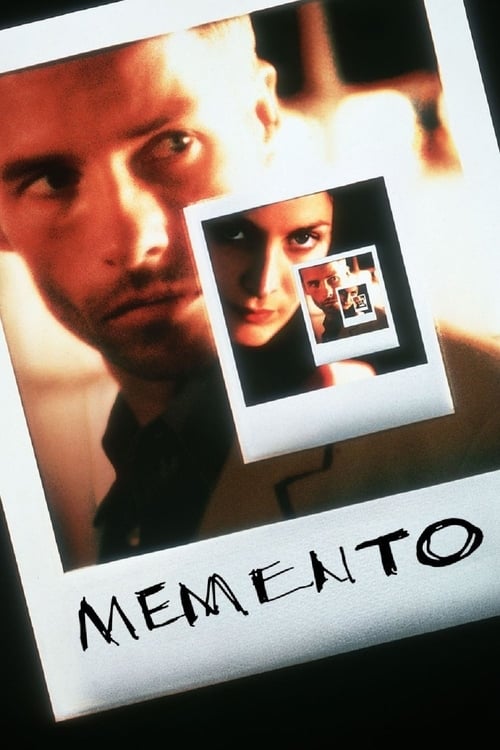
Memento (Christopher Nolan, 2000)
Two sequences run toward each other, one in colour reversed and one in black and white forward, meeting at the end. The structure is not a gimmick because it reproduces the...
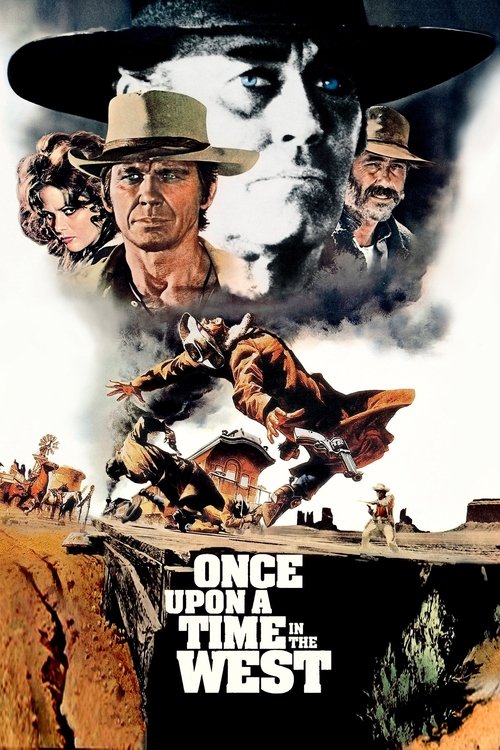
Once Upon a Time in the West (Sergio Leone, 1968)
Ennio Morricone wrote the score before shooting and it was played on set, so the performances and camera moves are cut to music rather than the reverse. Each principal character...
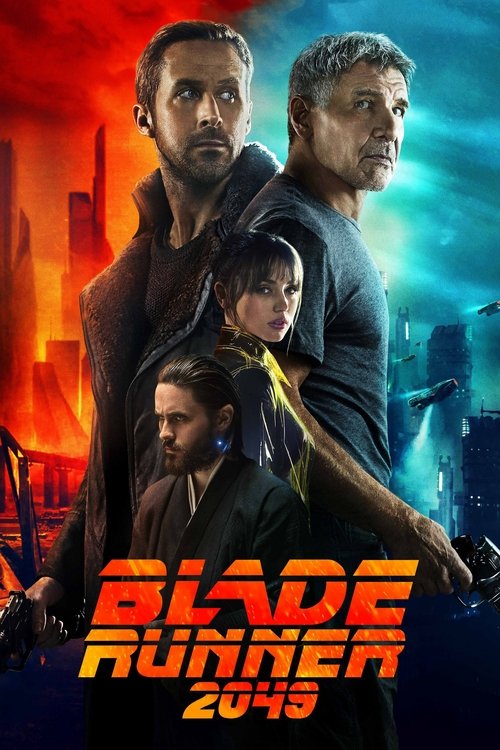
Blade Runner 2049 (Denis Villeneuve, 2017)
Hans Zimmer and Benjamin Wallfisch built a score out of overwhelming low-frequency synth blasts that function as physical events rather than melody. Sound design and score are...
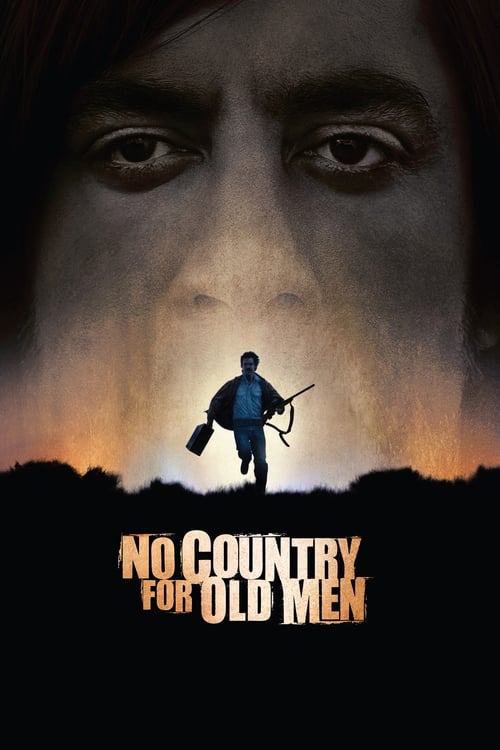
No Country for Old Men (Joel Coen, Ethan Coen, 2007)
Carter Burwell's score is nearly inaudible by design, so the film runs almost entirely on room tone, wind, boots and mechanical sound. Skip Lievsay's design makes the air...
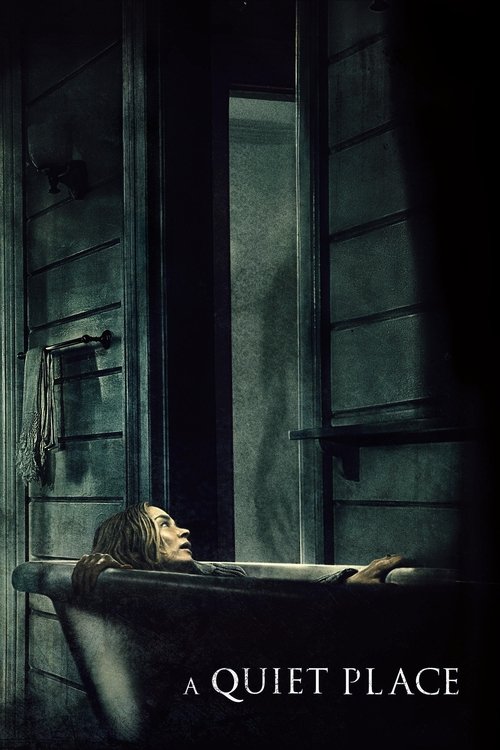
A Quiet Place (John Krasinski, 2018)
The premise forces the sound department into the lead creative role, with the mix switching between hearing and deaf point of view. Silence is structured so an ordinary noise...
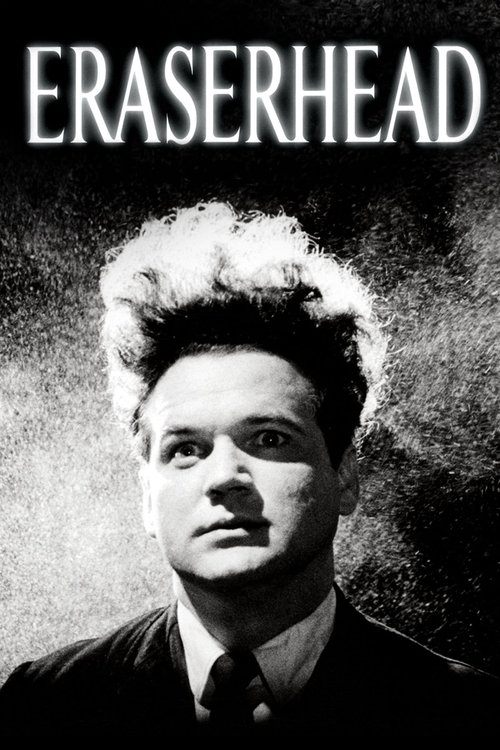
Eraserhead (David Lynch, 1977)
Lynch and Alan Splet spent a year on the sound alone, building an unbroken industrial drone that never lets the audience rest. There is effectively no silence in the film, and...
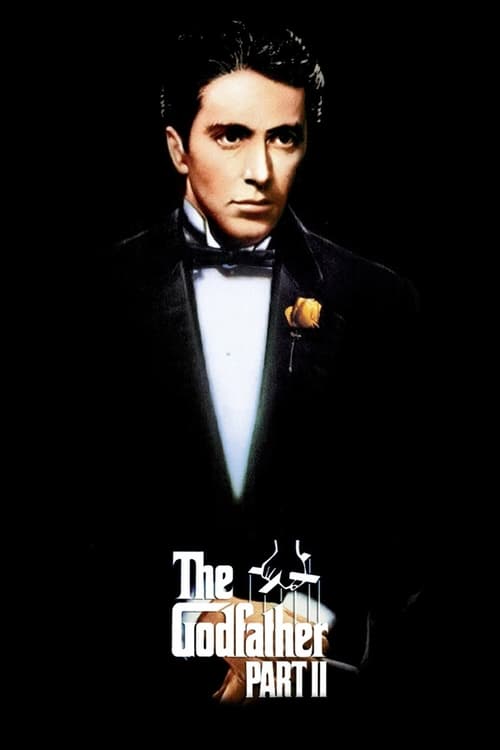
The Godfather Part II (Francis Ford Coppola, 1974)
Nino Rota's themes are reassigned across two timelines so the same melody carries nostalgia in one era and dread in the other. Walter Murch's work on the interior mixes keeps...
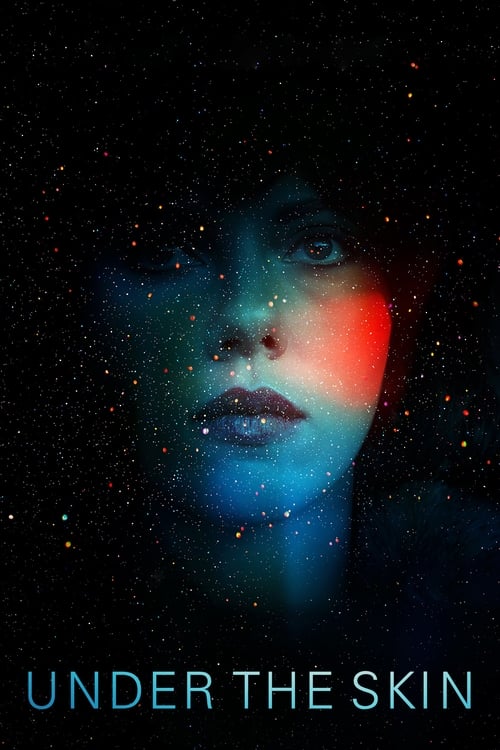
Under the Skin (Jonathan Glazer, 2013)
Mica Levi's score uses detuned strings and slowed glissandi that read as physically wrong rather than merely eerie. Documentary-style hidden camera footage is unified with formal...
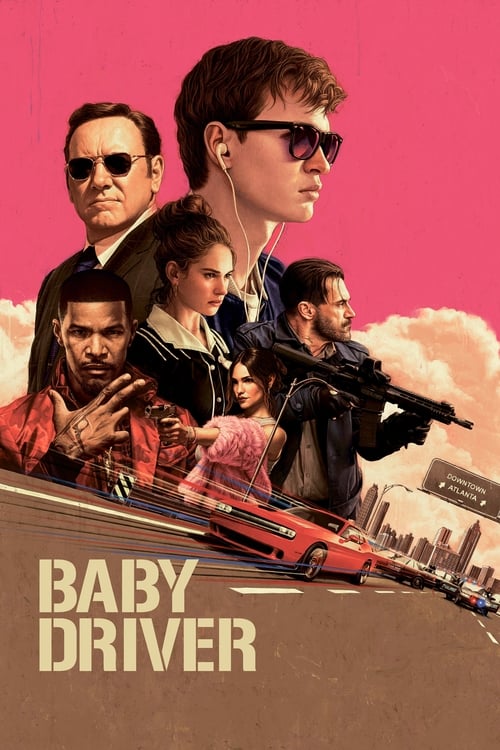
Baby Driver (Edgar Wright, 2017)
Every action beat, gear change, gunshot and cut is synchronised to a pre-selected track, which meant the music was locked before the shoot. Choreography, stunt timing and editing...
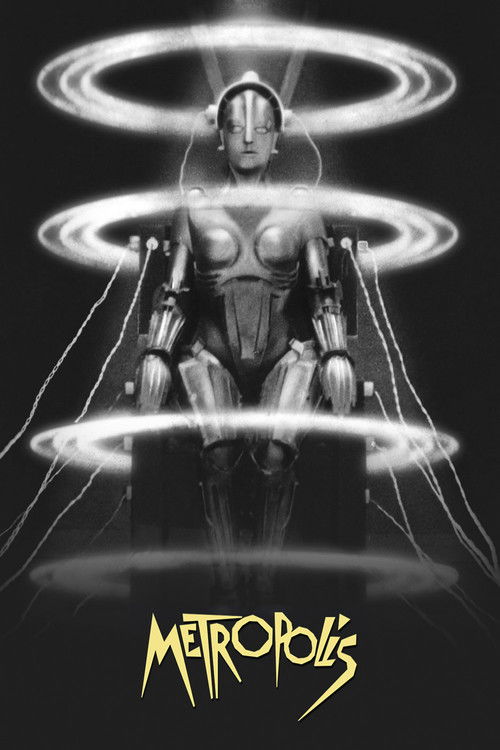
Metropolis (Fritz Lang, 1927)
Otto Hunte, Erich Kettelhut and Karl Vollbrecht built a vertical city out of miniatures, forced perspective and the Schufftan mirror process. The Schufftan shot combines live...
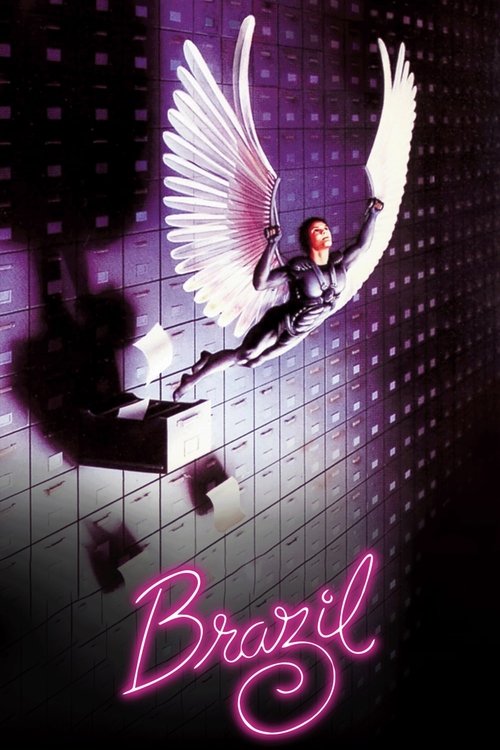
Brazil (Terry Gilliam, 1985)
Norman Garwood filled every interior with ducting, so the bureaucratic infrastructure is physically inescapable in the frame. Retro-futurist technology is built from period...
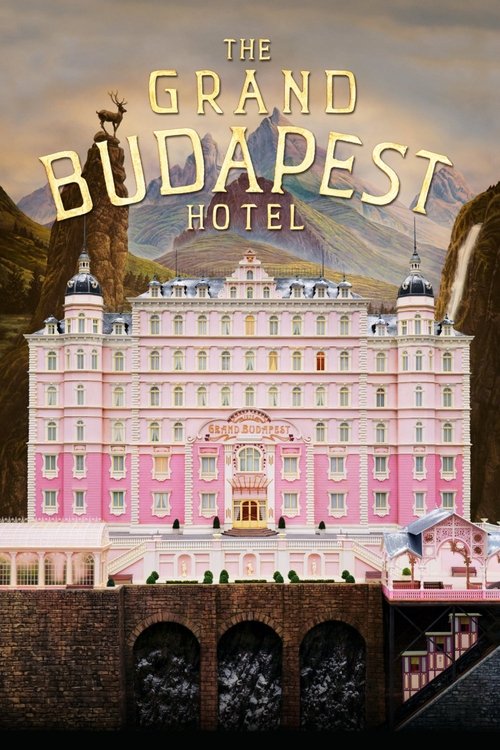
The Grand Budapest Hotel (Wes Anderson, 2014)
Adam Stockhausen used three aspect ratios for three time periods, with set design, colour and even miniature style shifting accordingly. The hotel exterior is a hand-built...
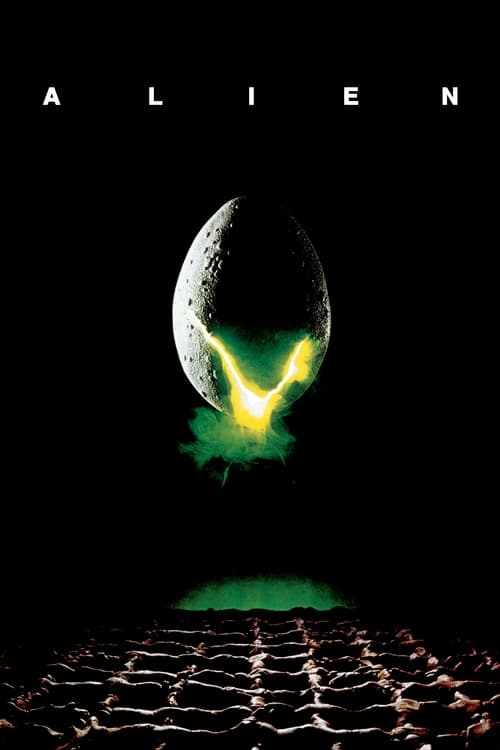
Alien (Ridley Scott, 1979)
Two separate design languages run through the film: the used, industrial Nostromo from Ron Cobb and the biomechanical derelict from H. R. Giger. The contrast is what makes the...
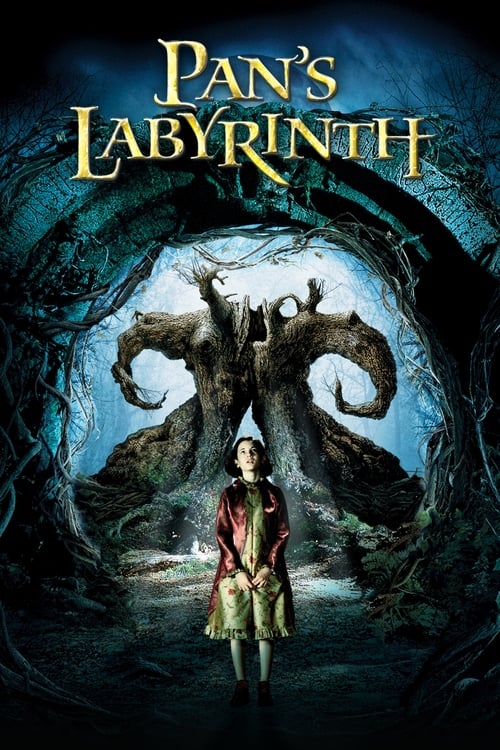
Pan's Labyrinth (Guillermo del Toro, 2006)
Eugenio Caballero split the film between a cold militarised mill and a warm organic fantasy world, with palettes that never mix. Creature work is practical, with prosthetic...
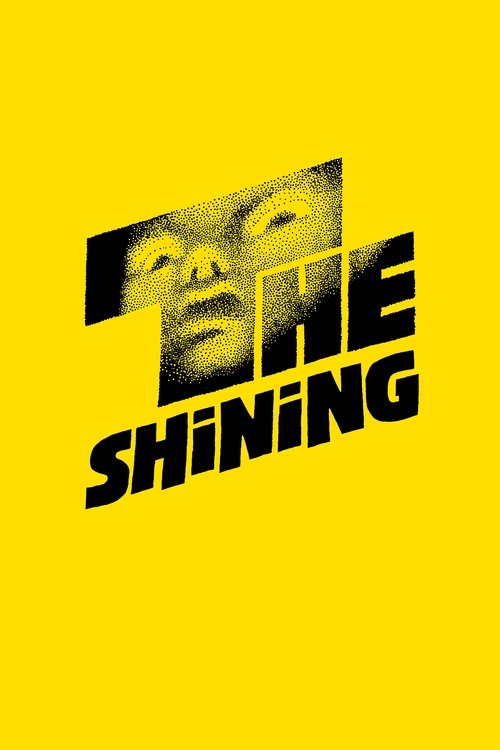
The Shining (Stanley Kubrick, 1980)
Roy Walker built the Overlook interiors as a continuous set that could be shot in long Steadicam moves, which is why the geography feels both readable and impossible. Doorways and...

Dune (Denis Villeneuve, 2021)
Patrice Vermette designed by scale contrast, placing tiny human figures against monolithic brutalist volumes with almost no ornament. Textiles, stillsuits and interiors are built...
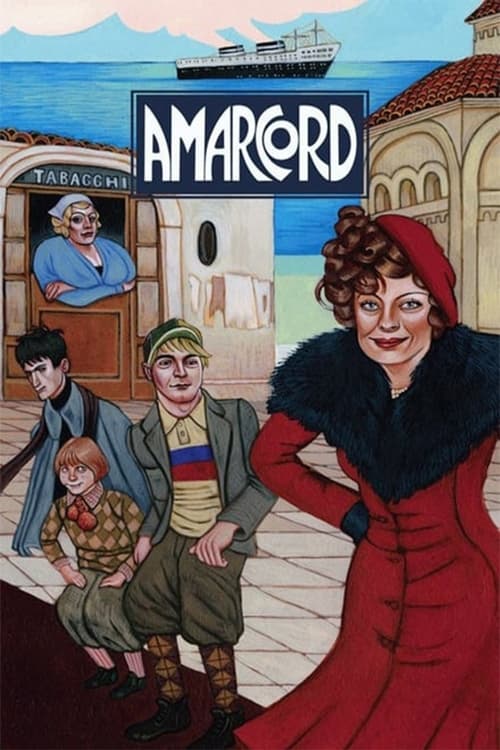
Amarcord (Federico Fellini, 1973)
Fellini rebuilt his home town at Cinecitta rather than shoot on location, including a sea made of plastic sheeting. The artifice is deliberate because the film is memory rather...
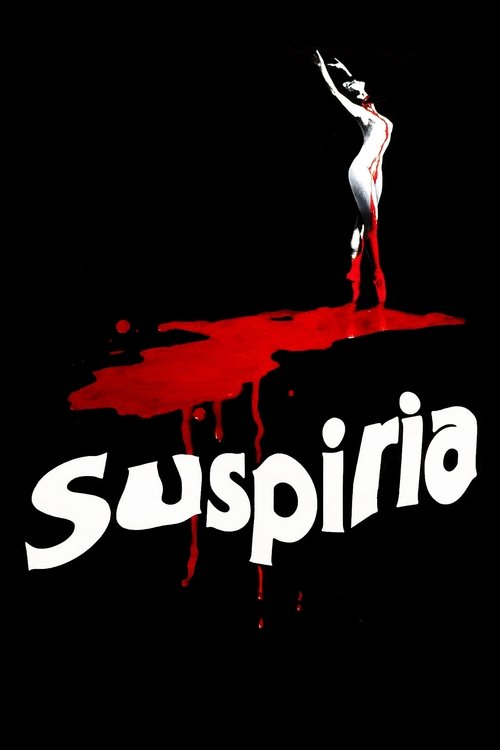
Suspiria (Dario Argento, 1977)
Giuseppe Bassan's interiors are built as Escher-adjacent geometry in primary colours, lit through coloured gels and stained glass. The film was printed using a dye transfer...
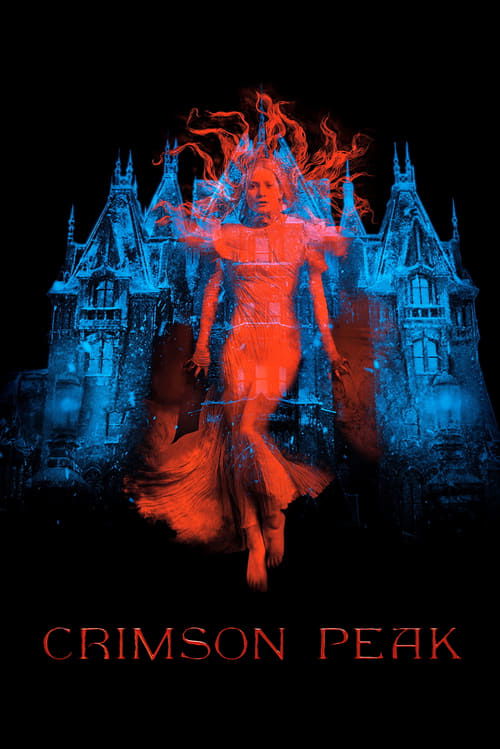
Crimson Peak (Guillermo del Toro, 2015)
Thomas Sanders built Allerdale Hall as a practical multi-storey set with a hole in the roof so real snow and leaves fell into the entrance hall. Red clay bleeding through the...
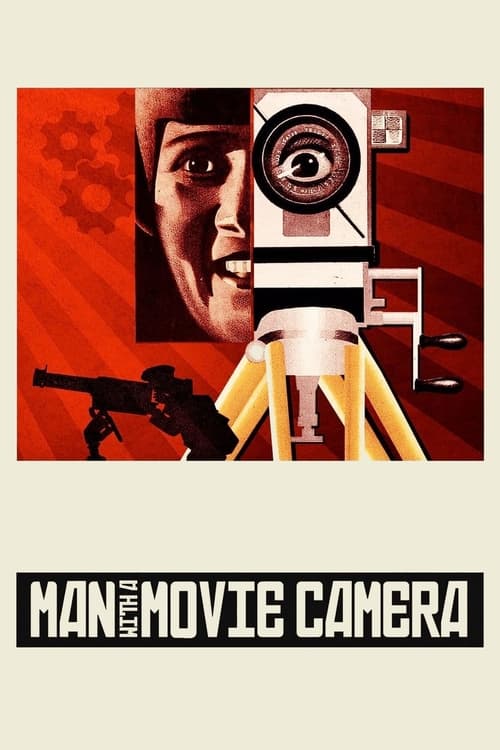
Man with a Movie Camera (Dziga Vertov, 1929)
Vertov catalogues nearly every technique available in 1929, including split screen, freeze frame, stop motion, Dutch angles and extreme slow motion. The film shows its own editor...
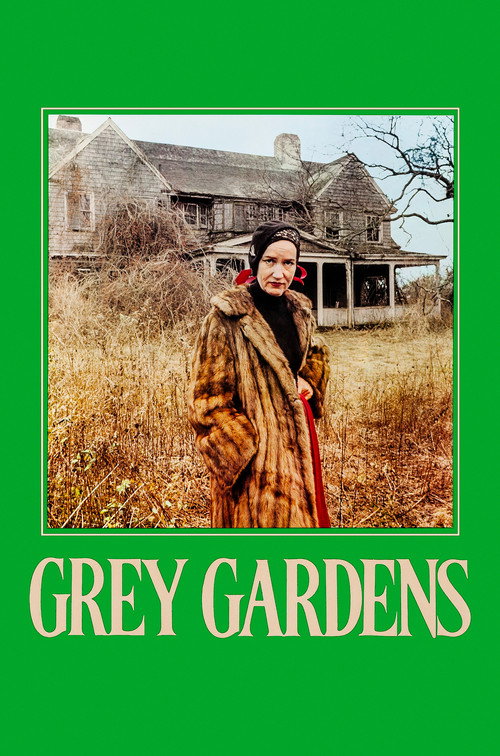
Grey Gardens (Albert and David Maysles, 1975)
Direct cinema at its most ethically contested, with the filmmakers audible and occasionally visible inside the house. Handheld 16mm and available light keep the crew small enough...
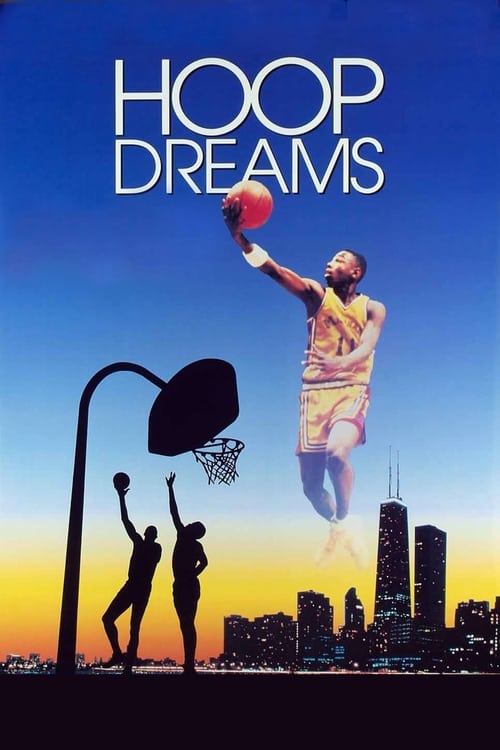
Hoop Dreams (Steve James, 1994)
Shot over five years on consumer and broadcast video, then cut from around 250 hours down to three, which is the real craft story. The film starts as a sports story and becomes an...
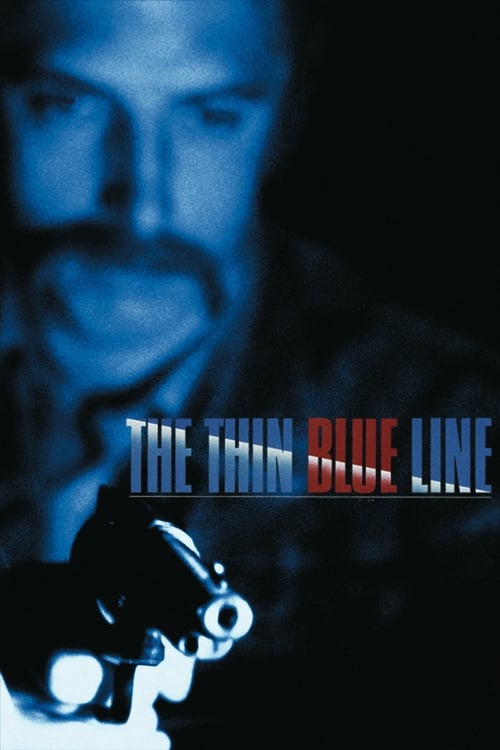
The Thin Blue Line (Errol Morris, 1988)
Morris used stylised reenactments, a Philip Glass score and interviews shot straight down the lens, which was heavily criticised and then universally adopted. Repeated...

Sans Soleil (Chris Marker, 1983)
Marker builds an essay film from footage shot across continents and unifies it with a narrated letter, which is a structure rather than a shortcut. Image and voice frequently...

Harlan County USA (Barbara Kopple, 1976)
Kopple embedded with striking miners for years, filming picket lines where the crew was under genuine physical threat. The camera's presence demonstrably affected events, which...
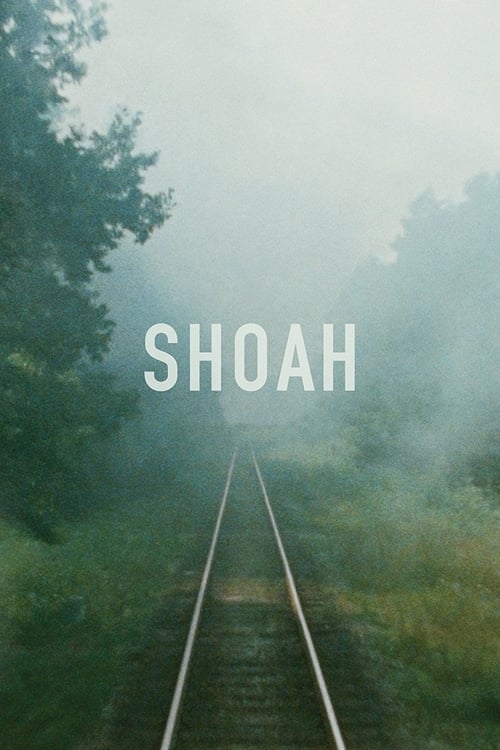
Shoah (Claude Lanzmann, 1985)
Nine and a half hours with no archival footage at all, built entirely from present-day interviews and location filming. Refusing archive is a formal argument about representation...
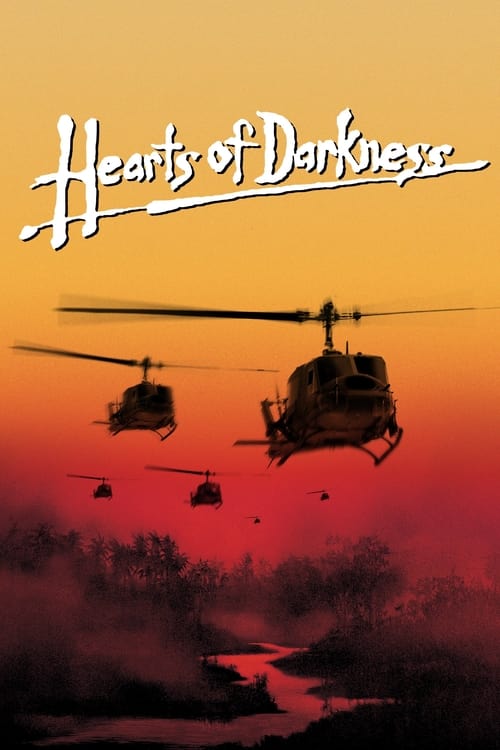
Hearts of Darkness: A Filmmaker's Apocalypse (George Hickenlooper, Fax Bahr, 1991)
Assembled largely from Eleanor Coppola's on-set recordings, including audio her husband did not know was being captured. It is the most honest record available of a production...

Burden of Dreams (Les Blank, 1982)
Blank documents the attempt to haul a steamship over a hill in the Peruvian jungle without effects, and the human cost of insisting on it. The film raises hard questions about a...
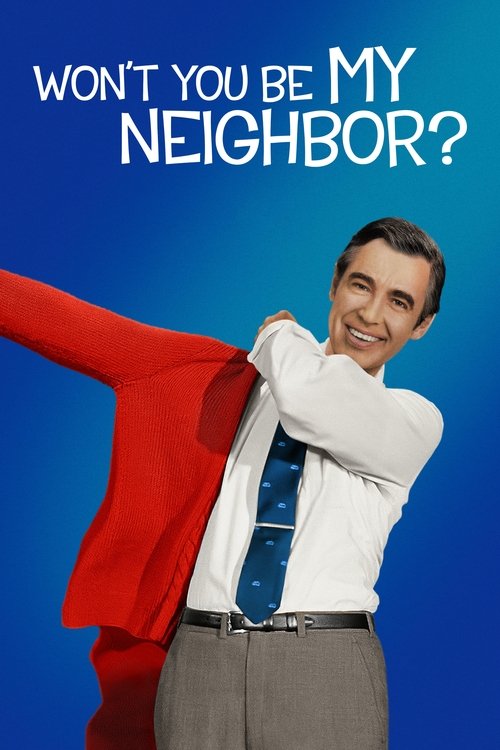
Won't You Be My Neighbor? (Morgan Neville, 2018)
Neville builds a portrait almost entirely from archive, using the subject's own broadcast material as the primary text. Animation fills gaps rather than reenactment, which keeps...
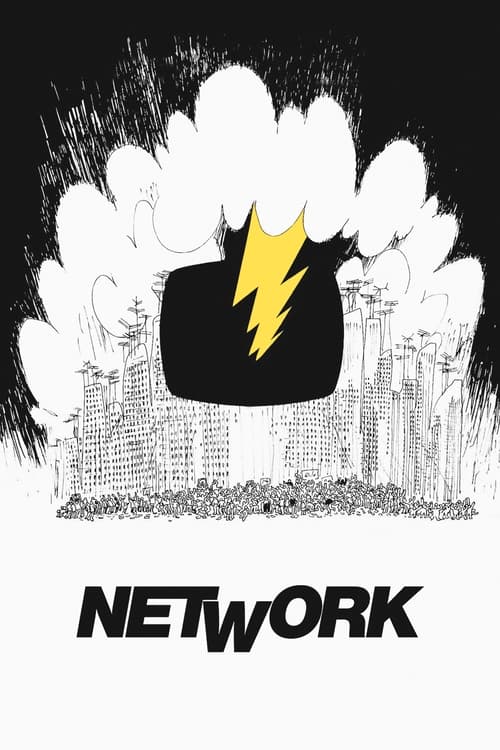
Network (Sidney Lumet, 1976)
Paddy Chayefsky wrote monologues of a length no contemporary studio would permit, and they hold because each one has a dramatic objective. Satire is calibrated so precisely that...
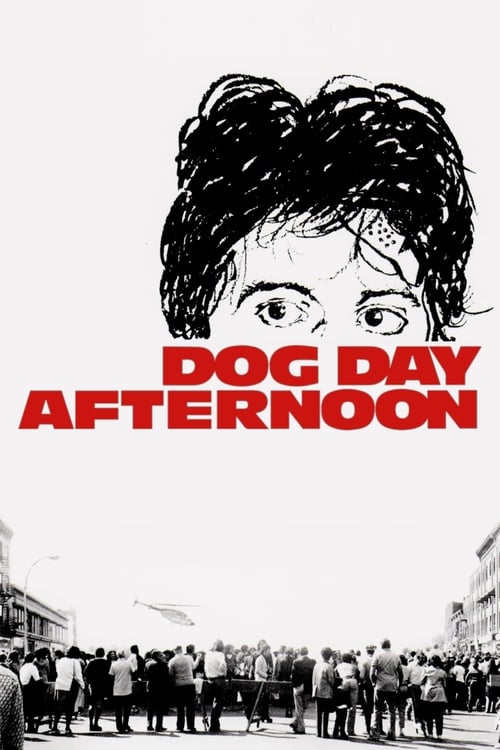
Dog Day Afternoon (Sidney Lumet, 1975)
Frank Pierson's script keeps a single location alive for two hours by continuously changing who has leverage. The crowd outside becomes a second antagonist and then an audience...
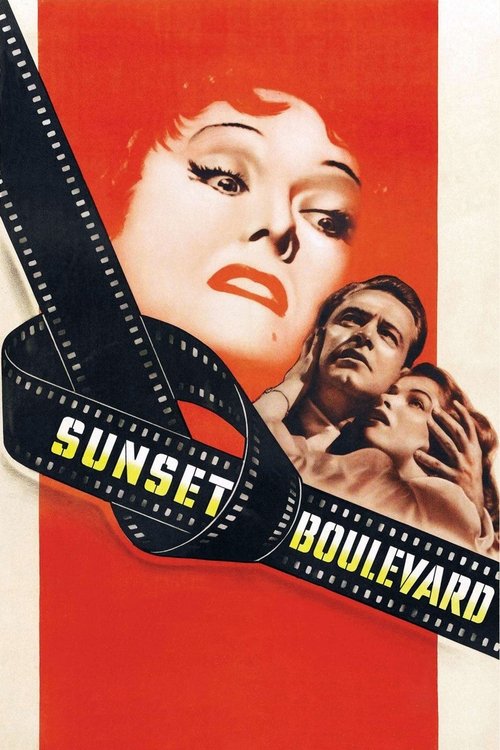
Sunset Boulevard (Billy Wilder, 1950)
The script is narrated by a dead man, a device that should not work and does because it establishes stakes rather than removing them. Wilder and Charles Brackett wrote Hollywood...
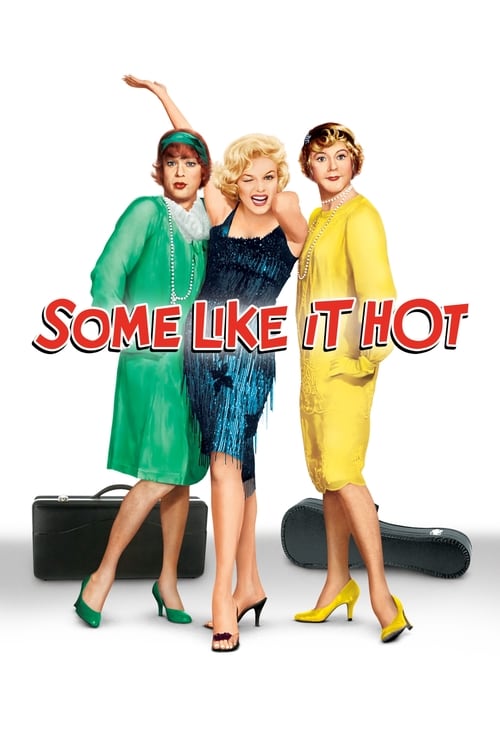
Some Like It Hot (Billy Wilder, 1959)
Wilder and I. A. L. Diamond escalate a single lie across an entire feature without ever letting the audience get ahead of it. Every complication comes from character choice rather...
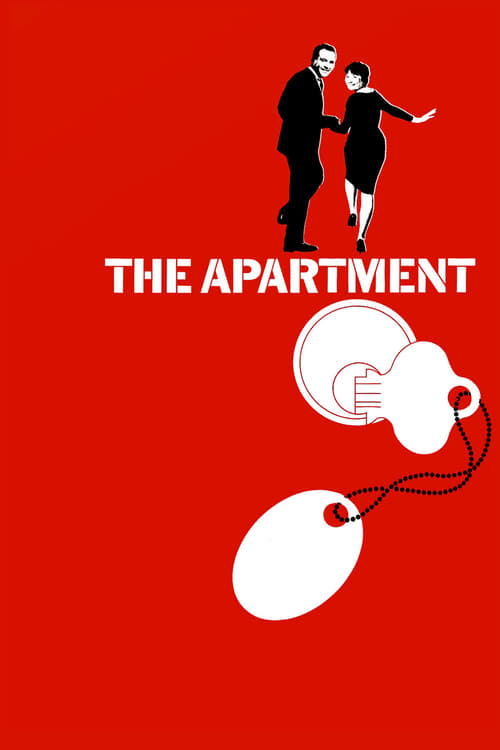
The Apartment (Billy Wilder, 1960)
Wilder and Diamond built the whole script on objects: a key, a mirror, a deck of cards, each planted and paid off. Tone moves from office comedy to attempted suicide and back...
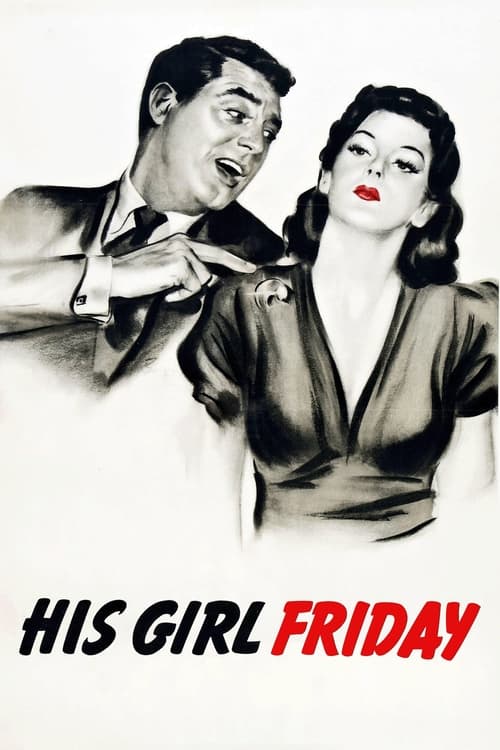
His Girl Friday (Howard Hawks, 1940)
Charles Lederer's adaptation runs overlapping dialogue at a speed that required overlapping microphones and careful sound staging. Information is repeated inside the overlap so...
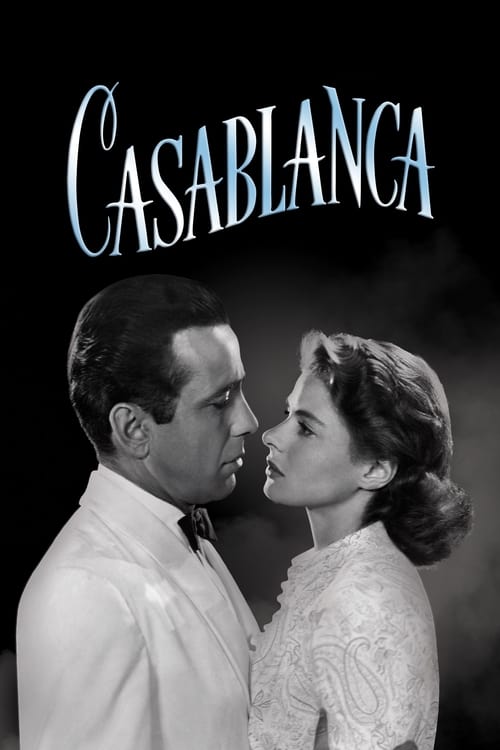
Casablanca (Michael Curtiz, 1943)
The Epstein brothers and Howard Koch wrote it during production without a finished ending, which is a warning as much as a lesson. Every supporting character has a want, and the...
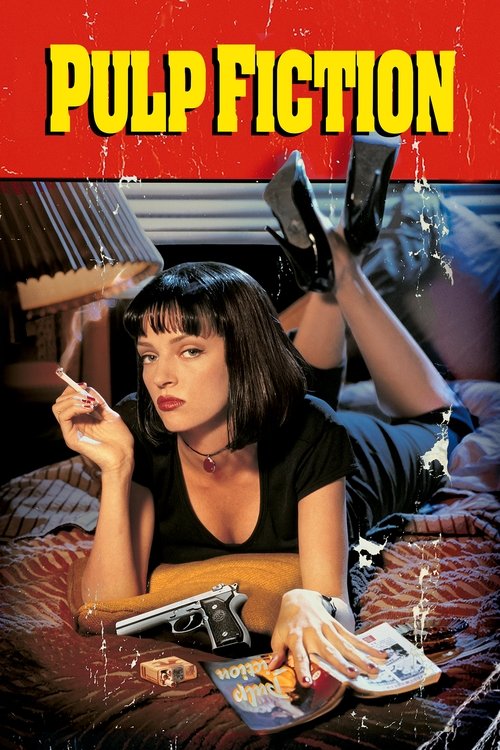
Pulp Fiction (Quentin Tarantino, 1994)
The nonlinear structure lets a character die in the middle and return, which changes the emotional weight of the ending. Digressive dialogue establishes character and stalls...
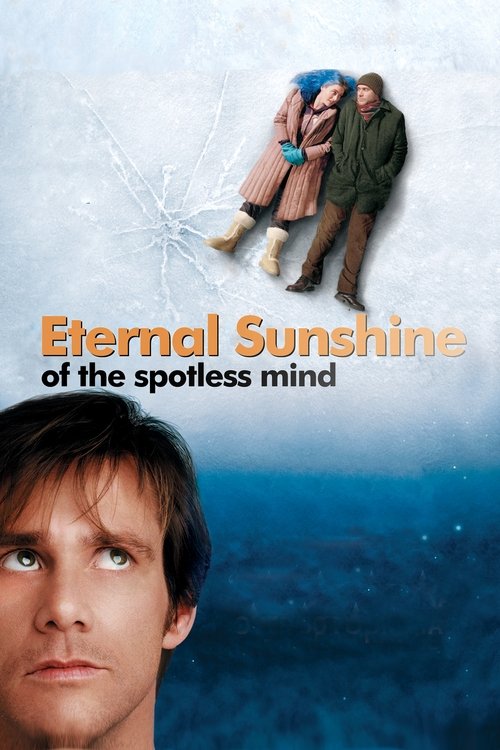
Eternal Sunshine of the Spotless Mind (Michel Gondry, 2004)
Charlie Kaufman's script runs mostly backwards inside a collapsing memory, which is a structural risk that only works because the emotional line runs forward. The high concept is...
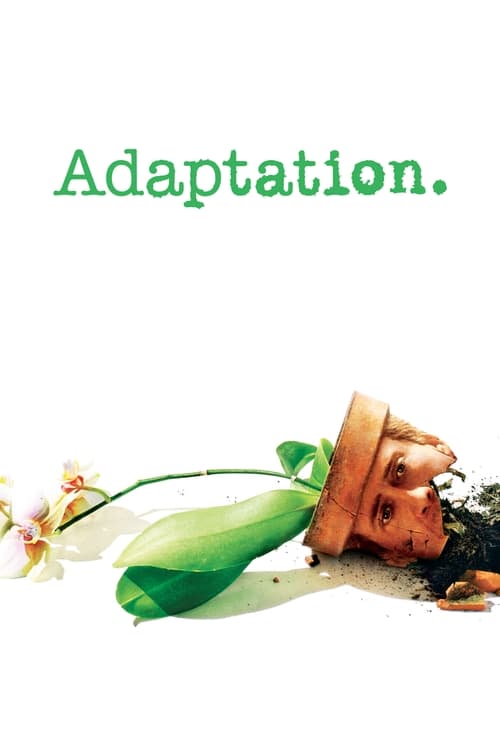
Adaptation. (Spike Jonze, 2002)
Kaufman writes himself failing to write the film you are watching, then breaks the third act deliberately into the conventions he has spent two hours mocking. The self-reference...
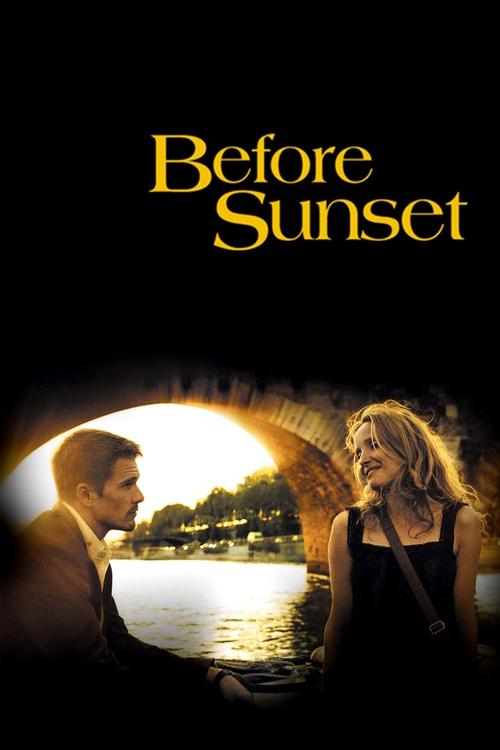
Before Sunset (Richard Linklater, 2004)
Linklater, Ethan Hawke and Julie Delpy wrote it together, and it plays close to real time across a single afternoon in Paris. Long unbroken walk-and-talks require dialogue that...
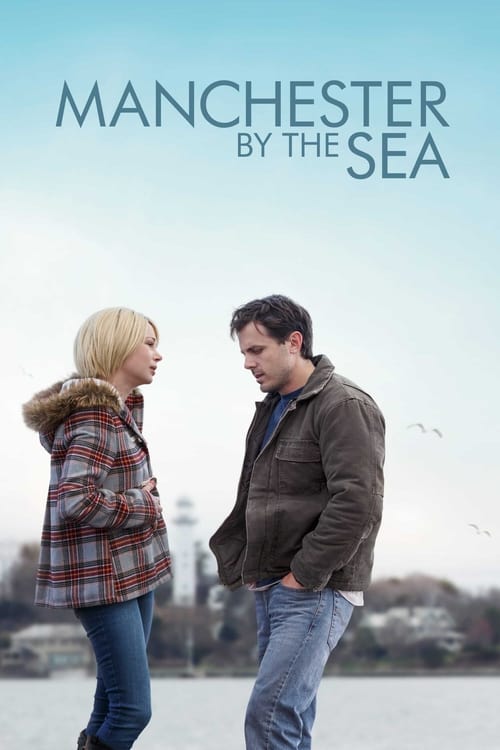
Manchester by the Sea (Kenneth Lonergan, 2016)
Lonergan withholds the central event until the audience has already committed to the character, then delivers it with almost no score. Grief is written as awkwardness...
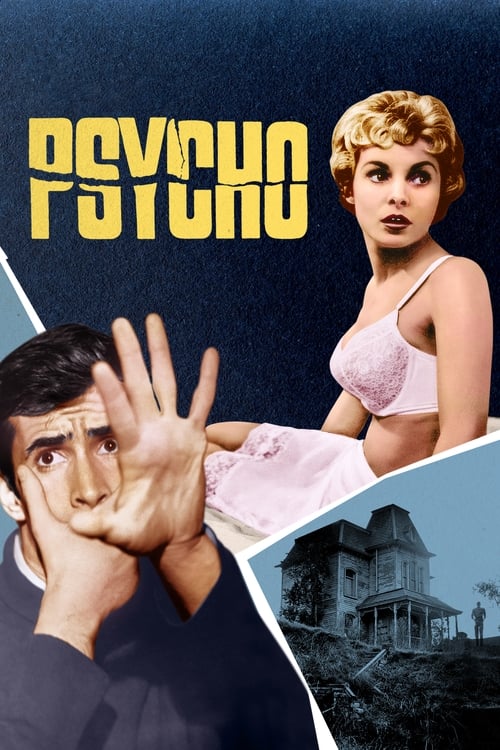
Psycho (Alfred Hitchcock, 1960)
Hitchcock shot on a television crew's budget and schedule, in black and white, which is why it could be made at all. The shower sequence is roughly fifty shots in under a minute...
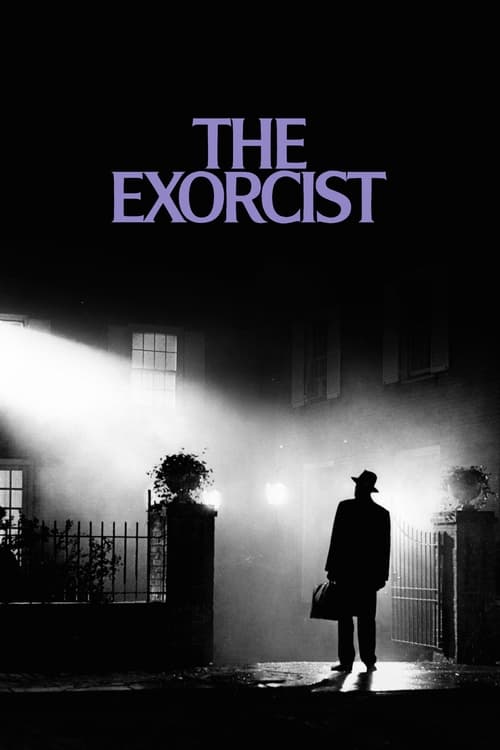
The Exorcist (William Friedkin, 1973)
Friedkin refrigerated the bedroom set so breath was visible in camera, and used practical rigs for every physical effect. Subliminal image inserts and heavily processed sound do...
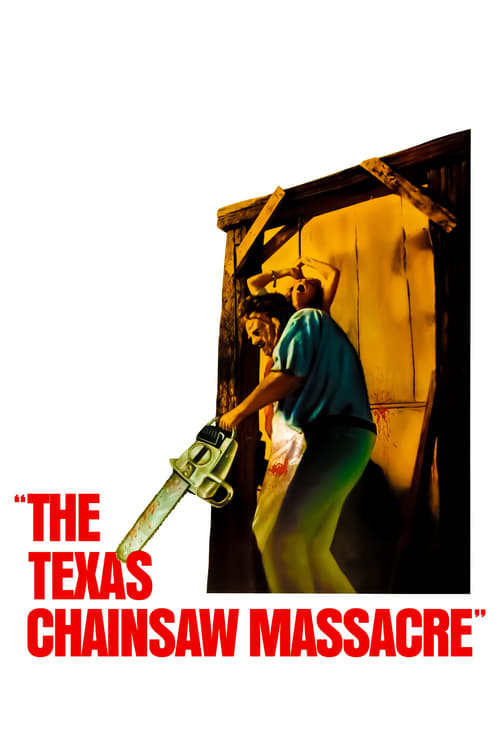
The Texas Chain Saw Massacre (Tobe Hooper, 1974)
Shot on 16mm for very little money, and the grain, heat and exhaustion visible in the footage are inseparable from the effect. There is almost no on-screen gore, and the horror is...

Halloween (John Carpenter, 1978)
Carpenter shot in Panavision, which gave him wide empty frame space to hide the threat in plain sight. The killer frequently appears in soft background focus with no musical...
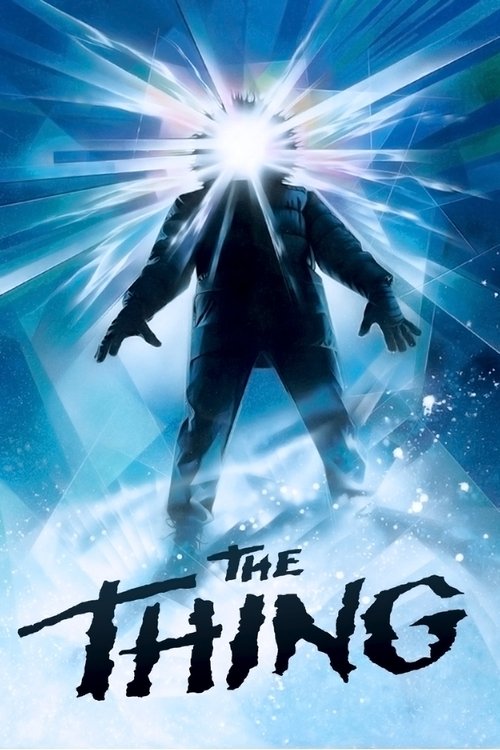
The Thing (John Carpenter, 1982)
Rob Bottin's practical creature effects remain the high-water mark for physical transformation work, and they were built to be shot in pieces. Dean Cundey lights the station with...
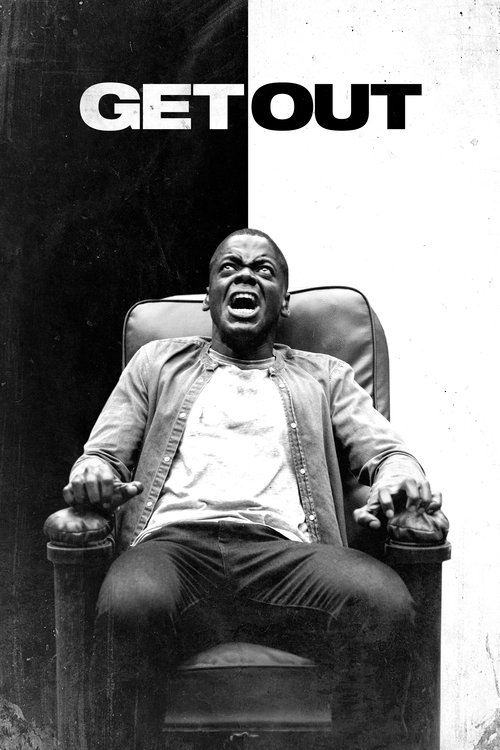
Get Out (Jordan Peele, 2017)
Peele plants nearly every payoff in the first act, including dialogue that reads as small talk on first viewing. Social horror is built from framing and eyeline rather than gore...
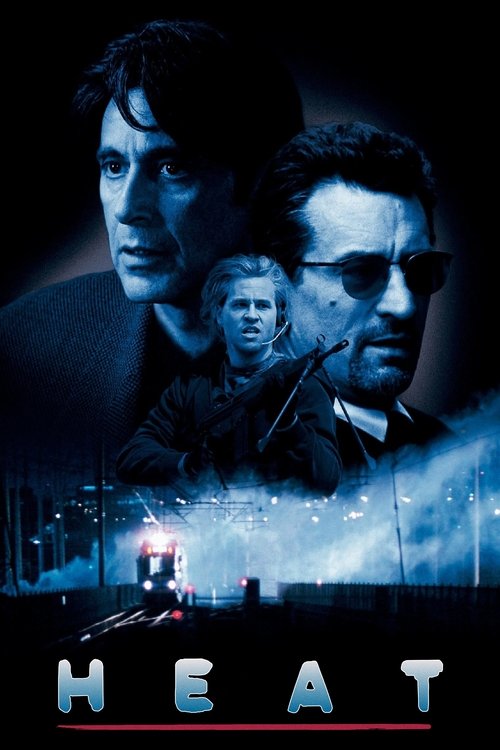
Heat (Michael Mann, 1995)
The downtown shootout was recorded with live weapon audio in real Los Angeles streets, and the reverberation is why it still sounds unmatched. Actors trained with real tactical...
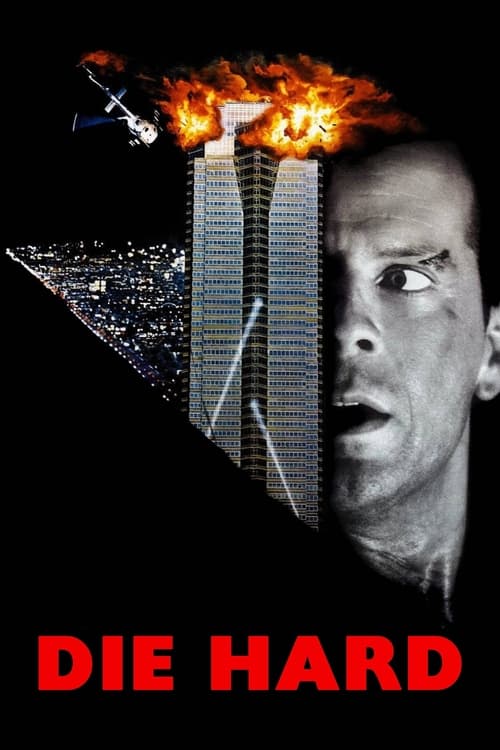
Die Hard (John McTiernan, 1988)
The single-building structure means every action beat can escalate geographically, floor by floor, without repetition. Jan de Bont shoots the tower with strong practical light and...

The Matrix (The Wachowskis, 1999)
Bullet time was executed with a rig of still cameras firing in sequence, then interpolated, which is a photographic solution rather than a purely digital one. Yuen Woo-ping's...
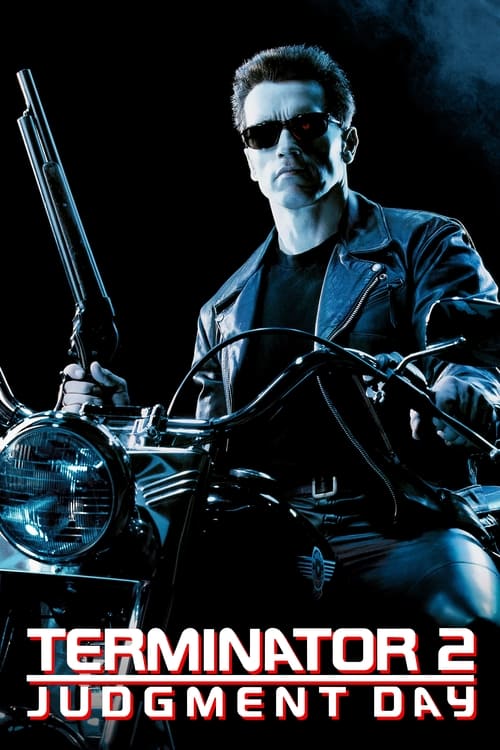
Terminator 2: Judgment Day (James Cameron, 1991)
The film mixes Stan Winston's animatronics with early CG morphing, and it works because the digital work is used only where practical effects cannot go. Cameron blocks action for...
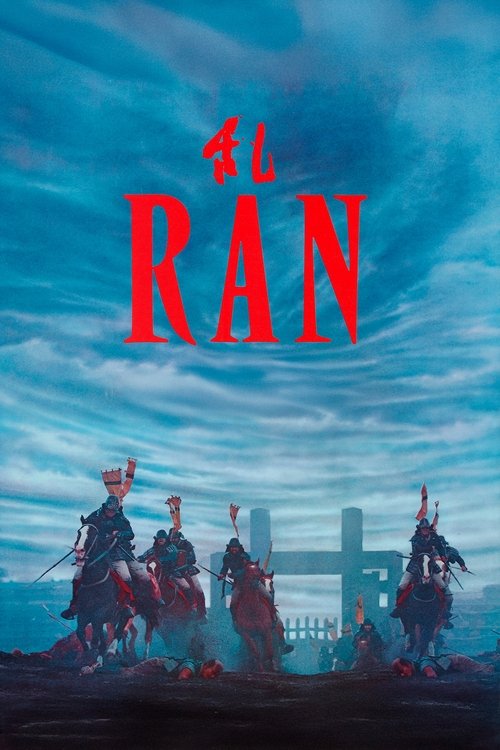
Ran (Akira Kurosawa, 1985)
Kurosawa shot Ran with Takao Saito and Masaharu Ueda after losing most of his sight to glaucoma, which forced him to preplan every composition through storyboards and paintings...
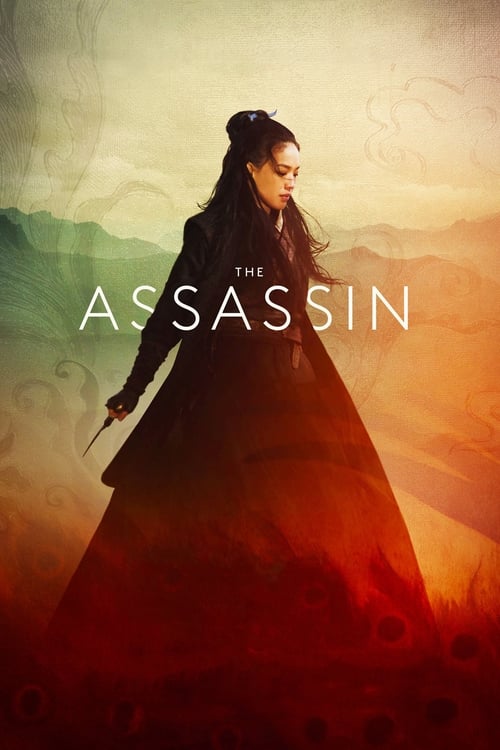
The Assassin (Hou Hsiao-hsien, 2015)
Hou Hsiao-hsien and DP Mark Lee Ping-bin built The Assassin around static or barely-moving frames held well past the point where a conventional edit would cut, letting silk...

Portrait of a Lady on Fire (Celine Sciamma, 2019)
Celine Sciamma and DP Claire Mathon shot almost entirely with natural and practical light sources, candles, windows, overcast sky, refusing artificial fill even in night...
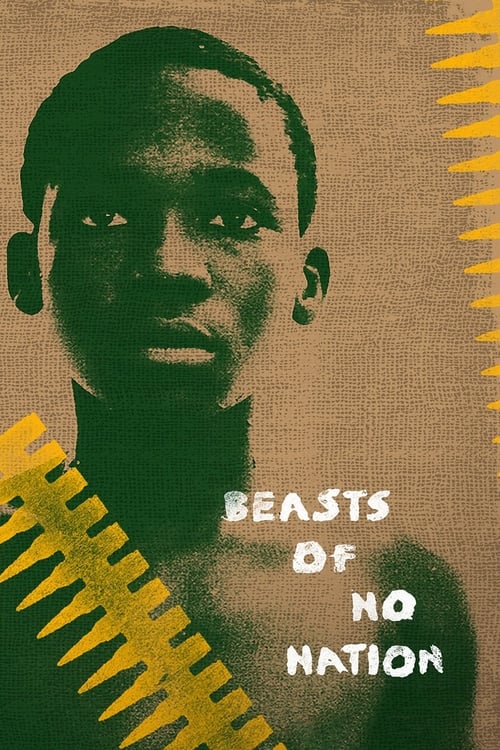
Beasts of No Nation (Cary Joji Fukunaga, 2015)
Cary Fukunaga served as his own cinematographer on Beasts of No Nation, which let him make handheld camera decisions during the shoot rather than negotiating them with a separate...
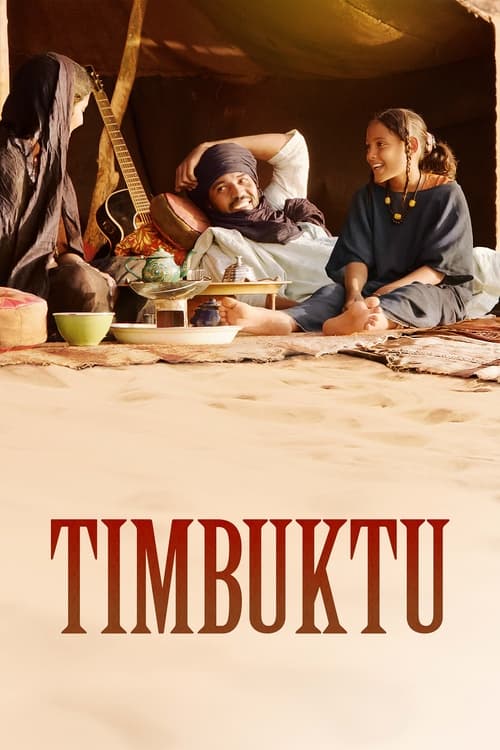
Timbuktu (Abderrahmane Sissako, 2014)
Abderrahmane Sissako and DP Sofian El Fani shoot the occupation of a Malian town largely in wide, static frames that place armed militants and ordinary residents within the same...

Atlantics (Mati Diop, 2019)
Mati Diop and DP Claire Mathon lit the Dakar seascape mostly at dusk and night, using the ocean itself as a recurring frame element that carries emotional and supernatural weight...
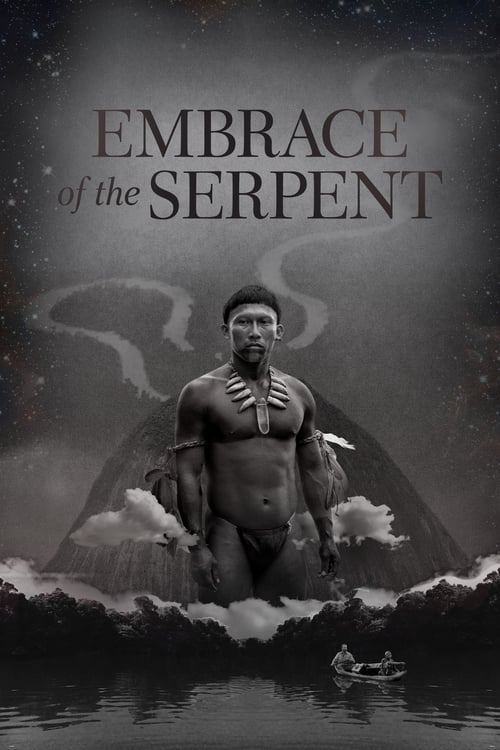
Embrace of the Serpent (Ciro Guerra, 2015)
Ciro Guerra and DP David Gallego shot Embrace of the Serpent on 35mm in black and white, a choice that removes the postcard-green expectation attached to Amazon rainforest footage...
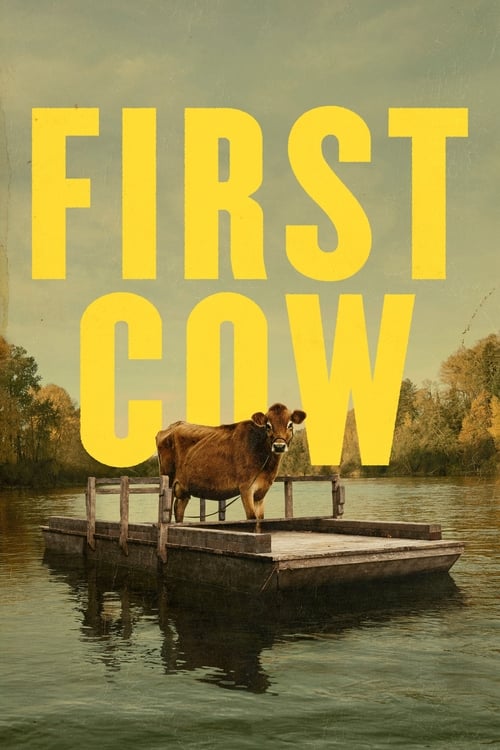
First Cow (Kelly Reichardt, 2020)
Kelly Reichardt and DP Christopher Blauvelt shot First Cow in the boxy 1.37:1 Academy ratio, a format choice that crops out the wide Oregon vistas a period frontier film would...
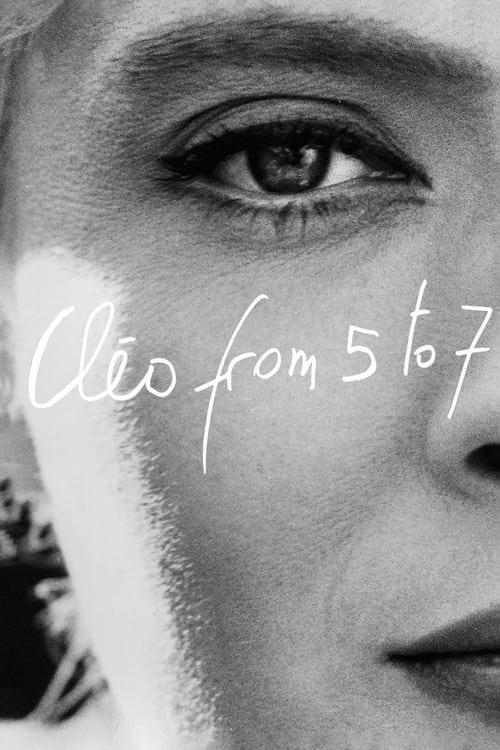
Cleo from 5 to 7 (Agnes Varda, 1962)
Agnes Varda structured Cleo from 5 to 7 to unfold in close to real time across roughly ninety minutes representing two hours in her protagonist's life, a directorial decision that...
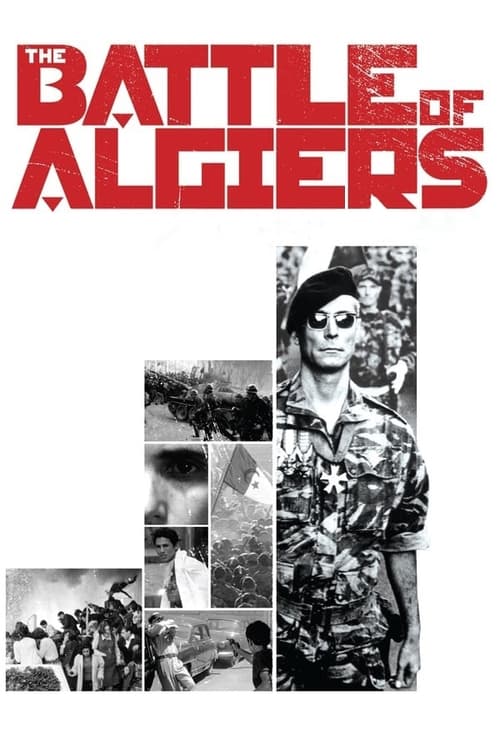
The Battle of Algiers (Gillo Pontecorvo, 1966)
Gillo Pontecorvo and DP Marcello Gatti shot The Battle of Algiers on grainy black and white stock processed to resemble newsreel footage, going so far as to include a title card...
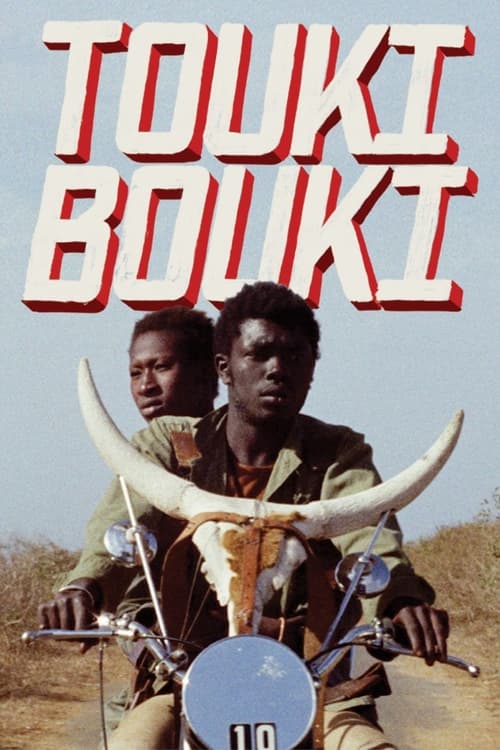
Touki Bouki (Djibril Diop Mambety, 1973)
Djibril Diop Mambety directs Touki Bouki as a collision of sound and image rather than a smooth continuity exercise, and the friction is the point. He cuts on movement mismatches...

Close-Up (Abbas Kiarostami, 1990)
Abbas Kiarostami directs Close-Up by refusing to let the audience know where documentary ends and reenactment begins, and that ambiguity is the entire method. He cast the real...
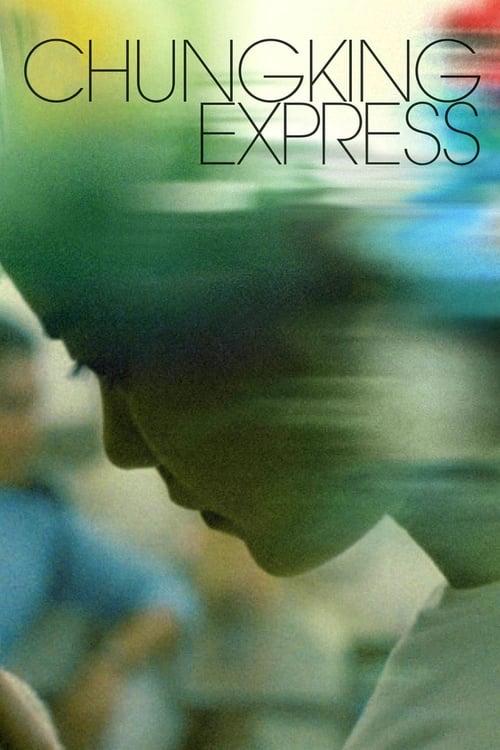
Chungking Express (Wong Kar-wai, 1994)
Wong Kar-wai directs Chungking Express at a pace dictated by restlessness rather than plot, shooting the film in roughly two months during a break from a much larger production...
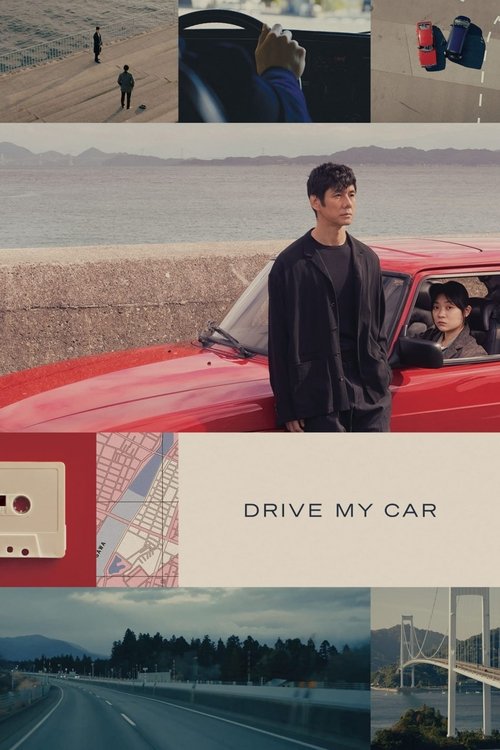
Drive My Car (Ryusuke Hamaguchi, 2021)
Ryusuke Hamaguchi directs Drive My Car by extending scenes well past the point where most directors would cut away, and that duration is the craft lesson. Conversations in the red...
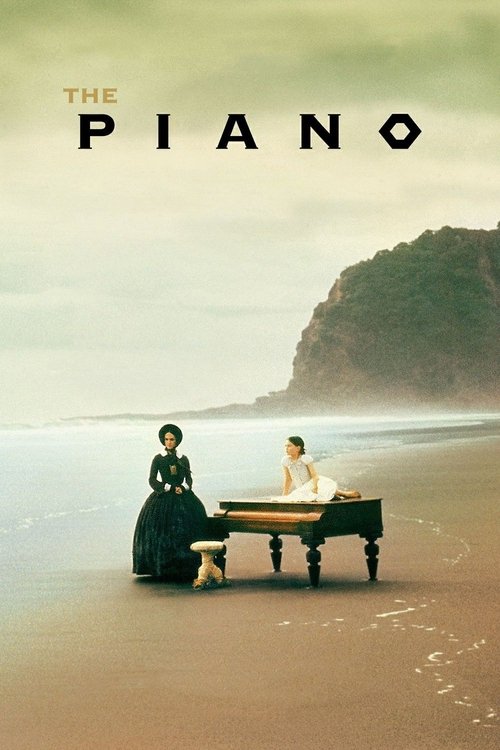
The Piano (Jane Campion, 1993)
Jane Campion directs The Piano around a central choice to withhold her lead actor's voice entirely, and every other decision follows from that constraint. Ada communicates through...
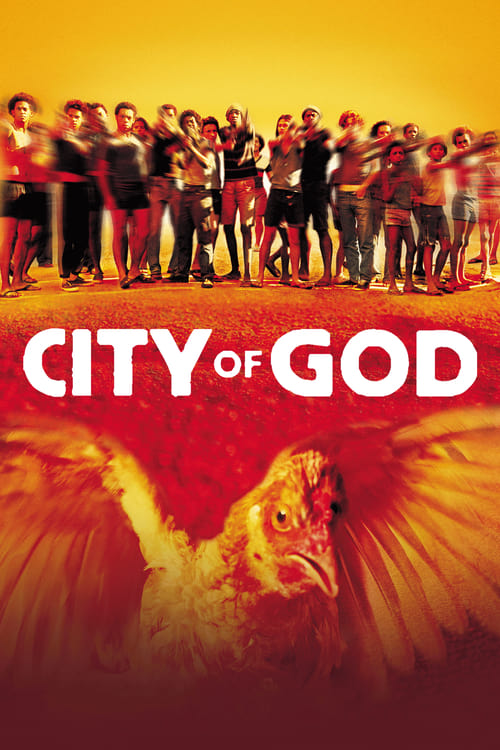
City of God (Fernando Meirelles, 2002)
Fernando Meirelles and Katia Lund direct City of God by building performance out of a community casting process rather than professional actors, running months of workshops with...

Y Tu Mama Tambien (Alfonso Cuaron, 2001)
Alfonso Cuaron and his brother Carlos Cuaron write Y Tu Mama Tambien with a structure that keeps interrupting its own road trip plot with a detached, omniscient voiceover narrator...
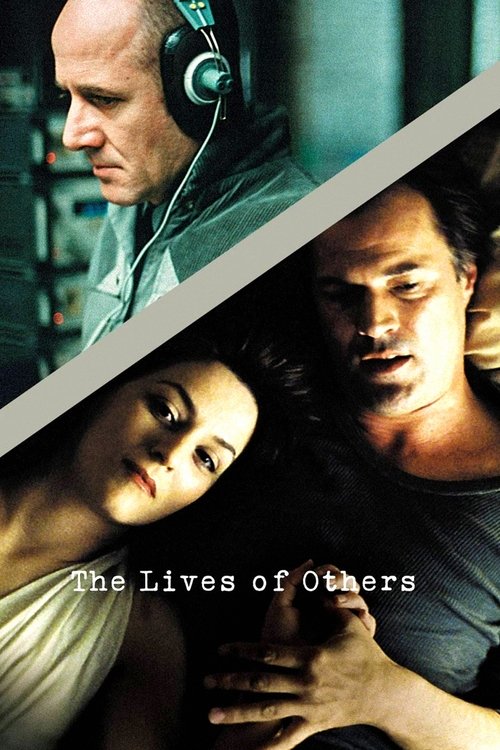
The Lives of Others (Florian Henckel von Donnersmarck, 2006)
Florian Henckel von Donnersmarck writes The Lives of Others around a single structural engine: a surveillance officer assigned to destroy a playwright instead begins protecting...
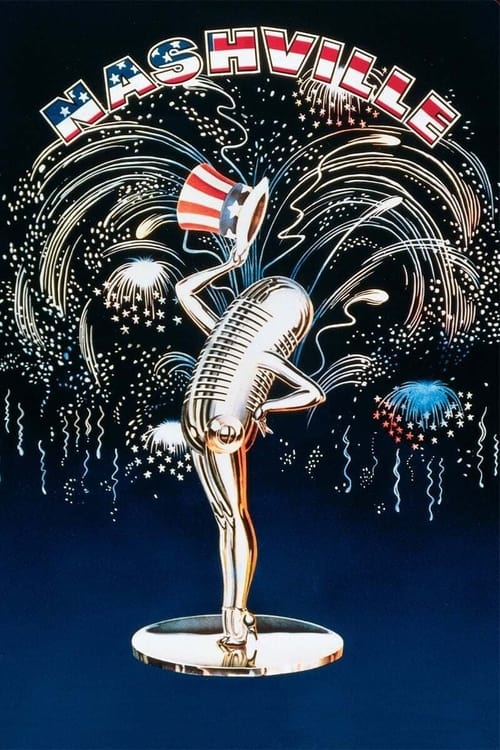
Nashville (Robert Altman, 1975)
Joan Tewkesbury writes Nashville as a script built to be loosened rather than followed precisely, mapping twenty-four characters across five days with intersecting but often...
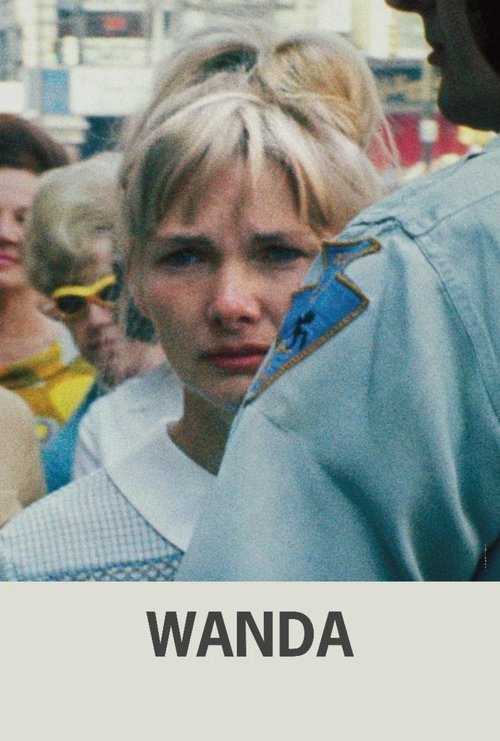
Wanda (Barbara Loden, 1970)
Barbara Loden writes, directs, and stars in Wanda with a screenplay that refuses the usual redemptive arc for a woman who drifts out of her marriage and into a petty criminal's...
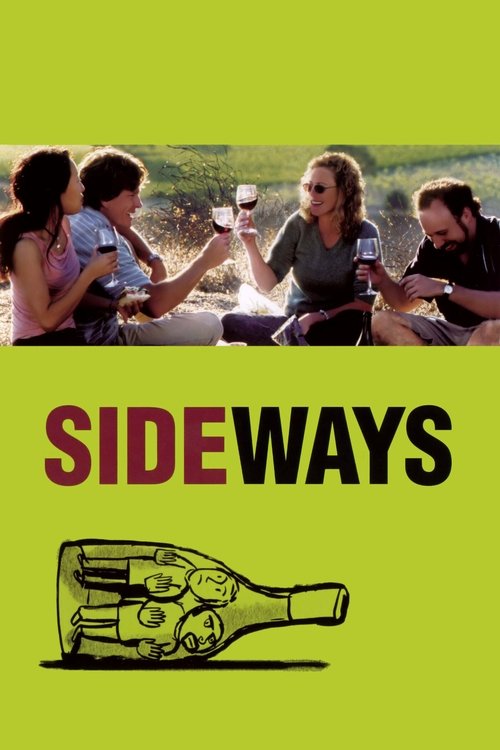
Sideways (Alexander Payne, 2004)
Jim Taylor and Alexander Payne adapted Rex Pickett's novel by restructuring it around a single ticking clock: the week before Jack's wedding. That deadline forces every scene to...
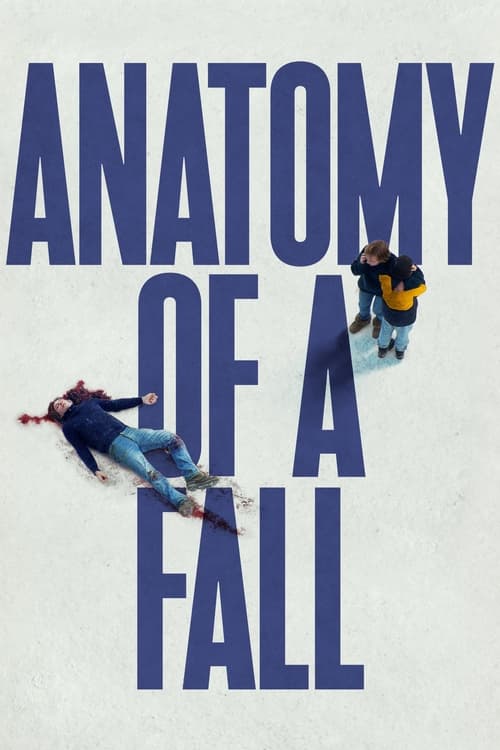
Anatomy of a Fall (Justine Triet, 2023)
Justine Triet and Arthur Harari wrote a screenplay that deliberately never confirms guilt, and that ambiguity is the structural spine of the film. Nearly the entire second half...
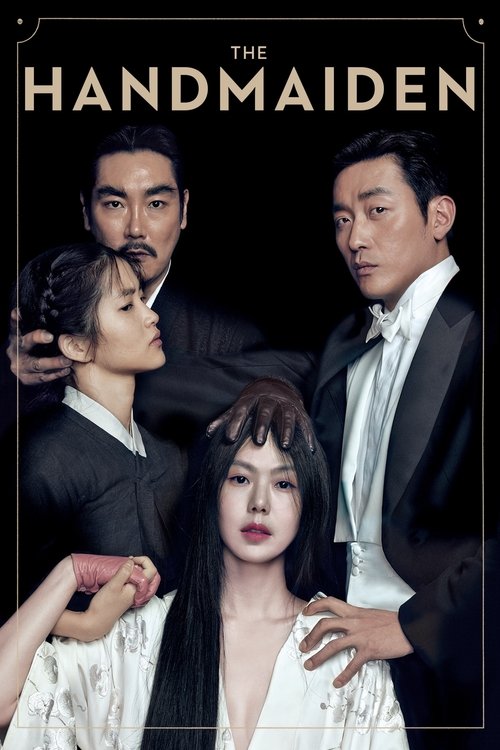
The Handmaiden (Park Chan-wook, 2016)
Park Chan-wook and Chung Seo-kyung restructured Sarah Waters' novel Fingersmith into three overlapping parts, each retelling earlier scenes from a different character's vantage...
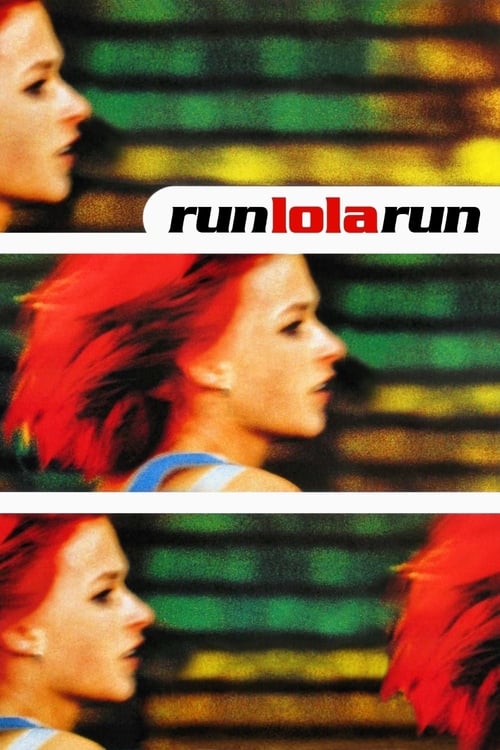
Run Lola Run (Tom Tykwer, 1998)
Editor Mathilde Bonnefoy, working with director Tom Tykwer, built the film's identity almost entirely in the cutting room by intercutting three parallel run-throughs of the same...
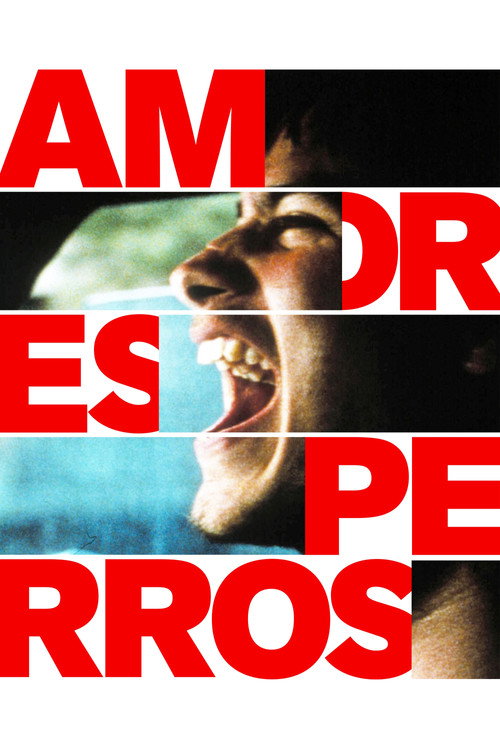
Amores Perros (Alejandro G. Iñárritu, 2000)
Editor Alejandro Gonzalez Inarritu, cutting with Luis Carlos Figueroa, structured the film around a single car crash witnessed from three separate stories that only fully...
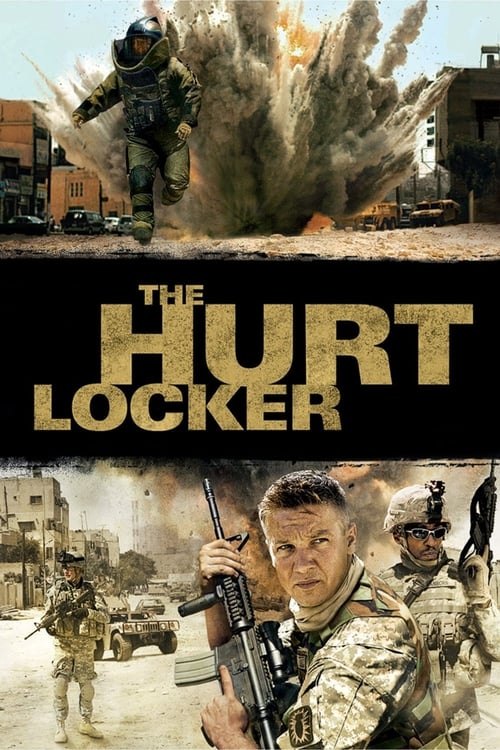
The Hurt Locker (Kathryn Bigelow, 2008)
Editors Bob Murawski and Chris Innis, working from Barry Ackroyd's handheld, multi-camera coverage, built suspense in the bomb-disposal sequences almost entirely through cutting...
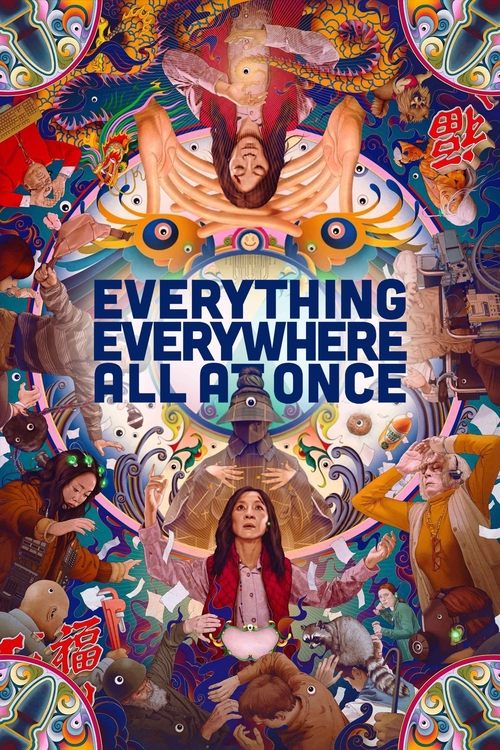
Everything Everywhere All at Once (Daniel Scheinert, Daniel Kwan, 2022)
Editor Paul Rogers had to cut a film that jumps between dozens of alternate universes and tones, from martial arts spectacle to quiet domestic drama, often within a single scene...
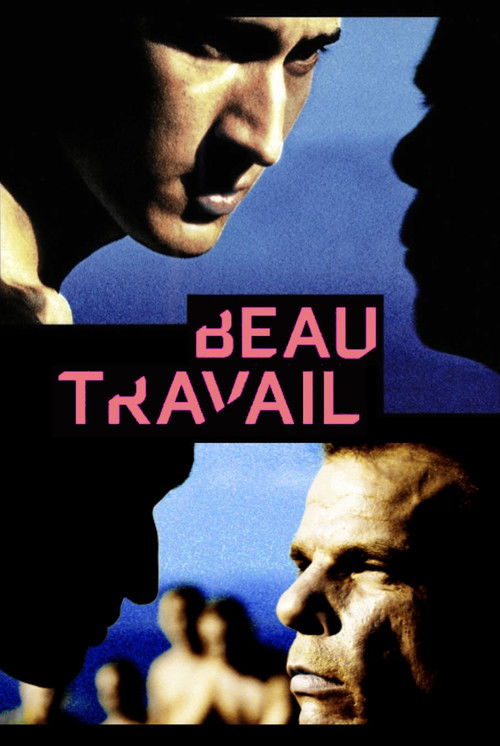
Beau Travail (Claire Denis, 2000)
Editor Nelly Quettier, cutting Agnes Godard's imagery for Claire Denis, built a film that has almost no conventional plot momentum in its cutting, relying instead on associative...
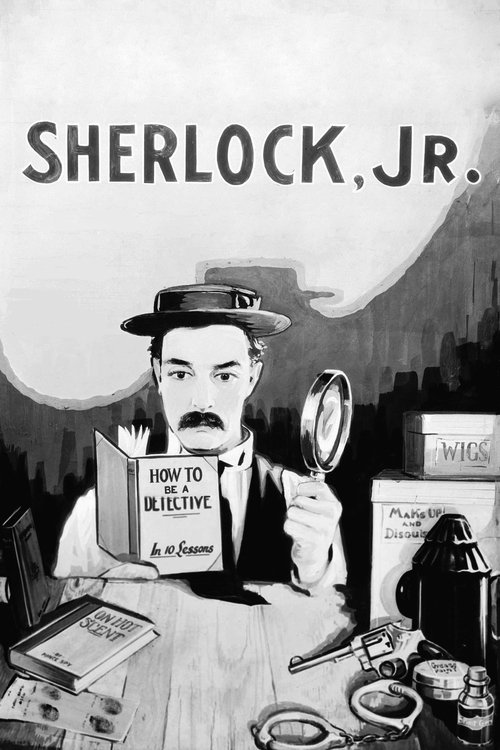
Sherlock Jr. (Buster Keaton, 1924)
Buster Keaton edited a sequence in which he appears to walk into a movie screen and is then whipped between changing locations by cuts alone, a special effect achieved entirely...
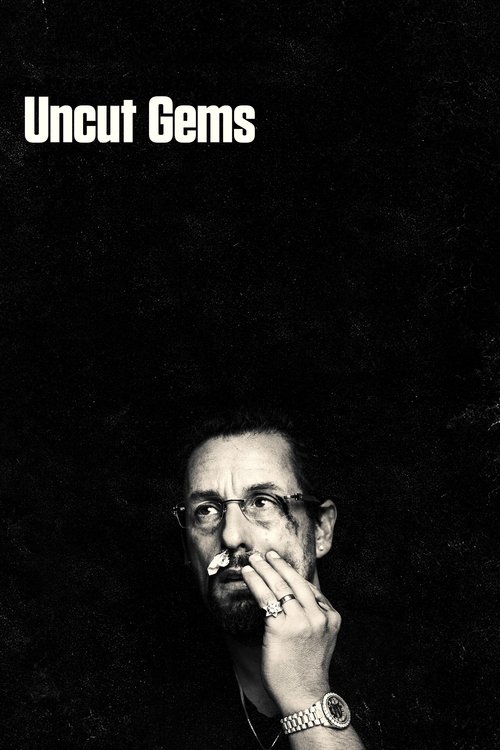
Uncut Gems (Benny Safdie, Josh Safdie, 2019)
Editor Ronald Bronstein and Benny Safdie cut the film to sustain an almost unbroken state of anxiety, overlapping dialogue and layering simultaneous conversations so the audience...
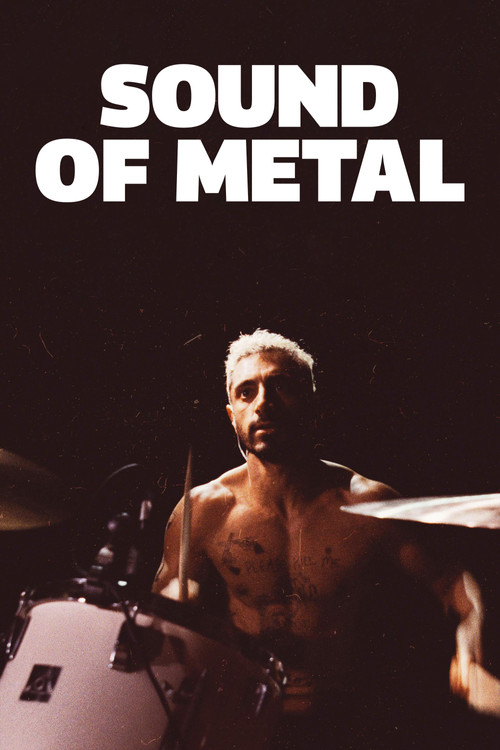
Sound of Metal (Darius Marder, 2020)
Nicolas Becker built the sound design here as a subjective instrument rather than an effect layer, and the film only works if you accept that premise from the first scene. He...
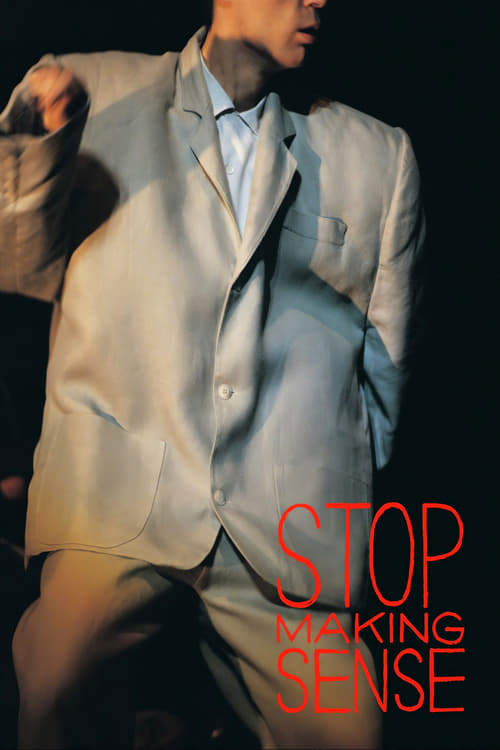
Stop Making Sense (Jonathan Demme, 1984)
Jonathan Demme shot this Talking Heads concert film with almost no reaction cutaways to the crowd, a choice that still reads as radical against standard concert-doc grammar built...
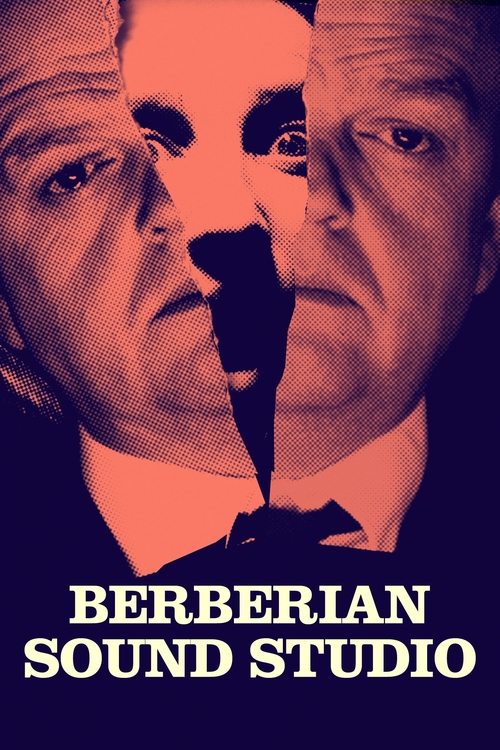
Berberian Sound Studio (Peter Strickland, 2012)
Peter Strickland set his film entirely inside a foley and mixing suite, and sound designer Joakim Sundstrom used that setting to make the mechanics of horror scoring the actual...
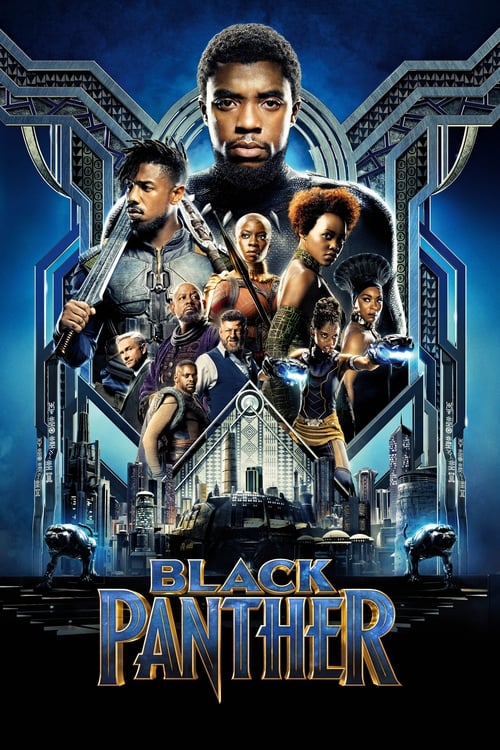
Black Panther (Ryan Coogler, 2018)
Ludwig Goransson spent months in Senegal and South Africa recording traditional musicians before writing a note of the score, then fused those recordings with orchestral and...
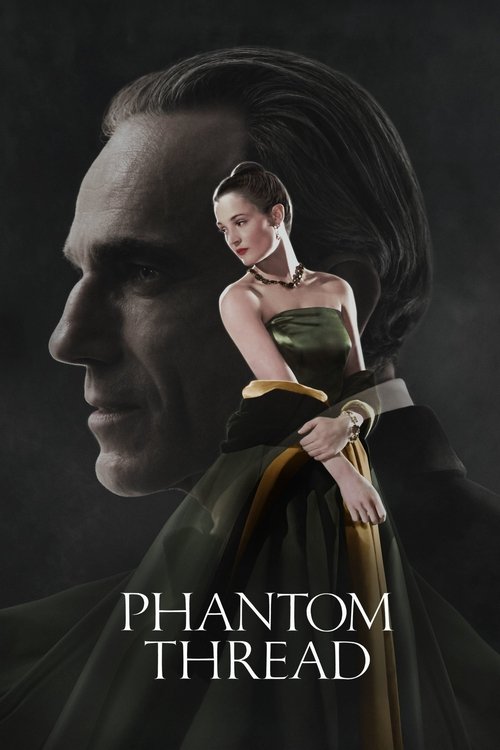
Phantom Thread (Paul Thomas Anderson, 2017)
Jonny Greenwood wrote a score built on romantic-era piano and string writing that functions less like film music and more like a character in direct competition with dialogue for...
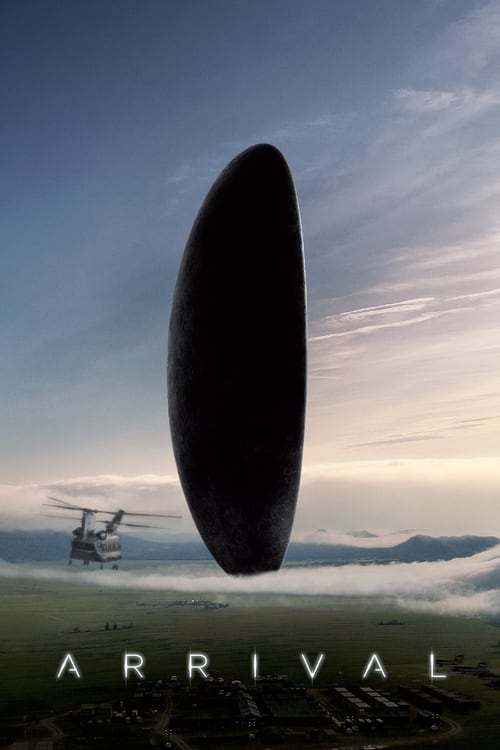
Arrival (Denis Villeneuve, 2016)
Johann Johannsson and sound designer Sylvain Bellemare built the alien communication in this film around processed vocal and choral textures rather than conventional synthesized...

Le Samourai (Jean-Pierre Melville, 1967)
Jean-Pierre Melville stripped nearly all incidental sound from this film, letting long stretches play with only ambient room tone and footsteps, and the effect makes every score...
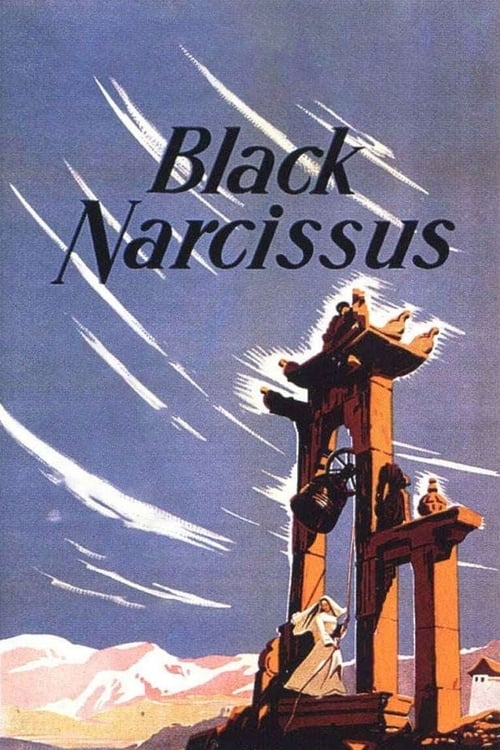
Black Narcissus (Michael Powell, Emeric Pressburger, 1947)
Alfred Junge built the entire Himalayan convent on soundstages at Pinewood using matte paintings, forced perspective, and a scale model of the mountain valley, since Michael...
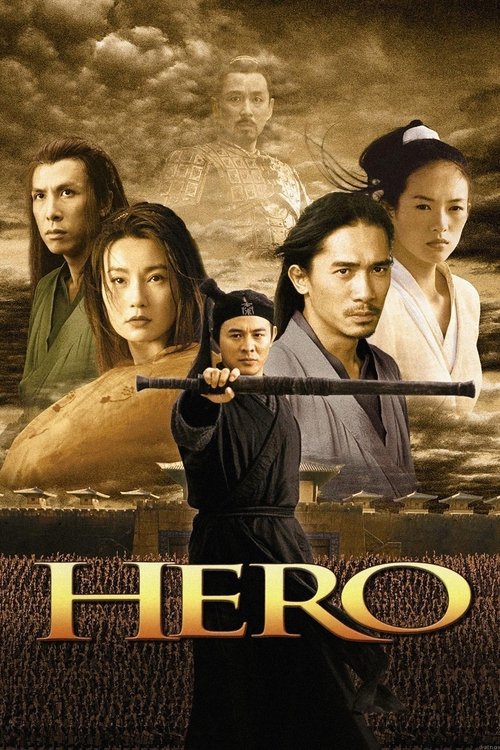
Hero (Zhang Yimou, 2002)
Production designer Tingxiao Huo and costume designer Emi Wada organized the film's entire palette around color as a structural device rather than aesthetic flourish, assigning...
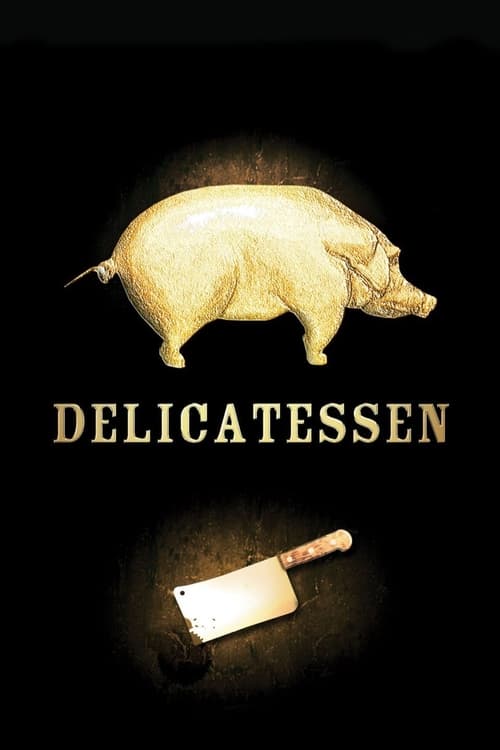
Delicatessen (Jean-Pierre Jeunet, Marc Caro, 1991)
Jean-Pierre Jeunet and Marc Caro, working with production designer Marc Caro's own background as an illustrator, built the apartment building set with exaggerated forced...

Spirited Away (Hayao Miyazaki, 2001)
Hayao Miyazaki and art director Yoji Takeshima build the bathhouse as a working machine, not a backdrop. Every corridor, boiler room, and bathing hall has a function tied to...
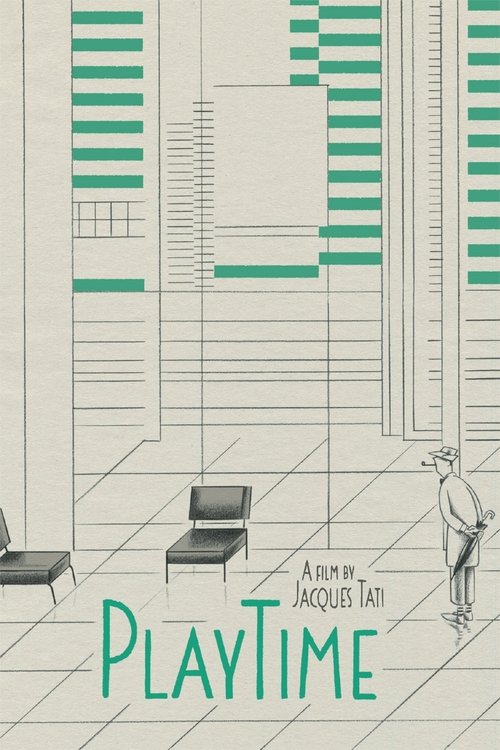
Playtime (Jacques Tati, 1967)
Jacques Tati spent years and most of his own money constructing Tativille, a full-scale modernist city built on a lot outside Paris, because no existing location offered the...
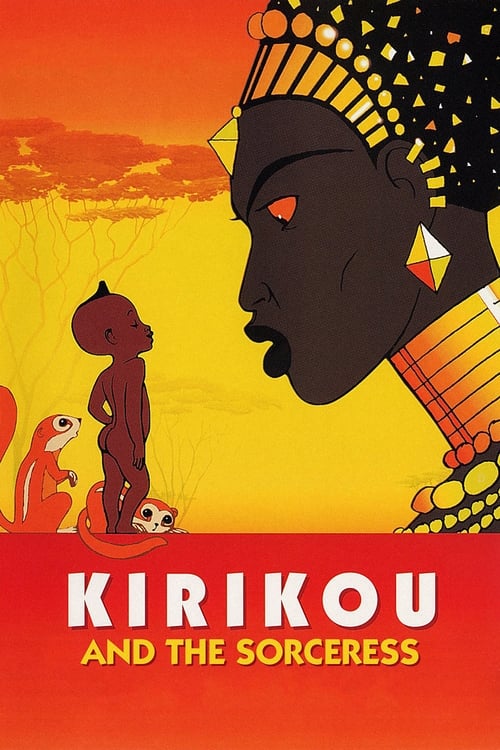
Kirikou and the Sorceress (Michel Ocelot, 1998)
Michel Ocelot based Kirikou's visual world on West African textile patterns, mud architecture, and figurative traditions rather than the rounded, softened style common to...
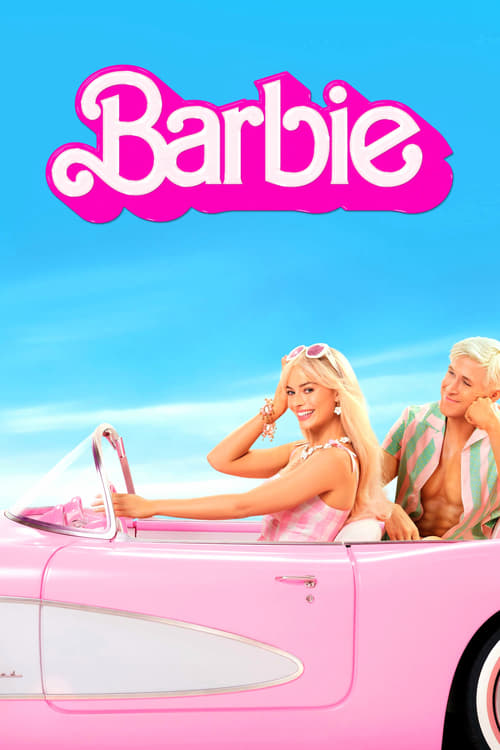
Barbie (Greta Gerwig, 2023)
Production designer Sarah Greenwood and set decorator Katie Spencer built Barbie Land largely as physical sets rather than digital environments, including a hand-painted cyclorama...
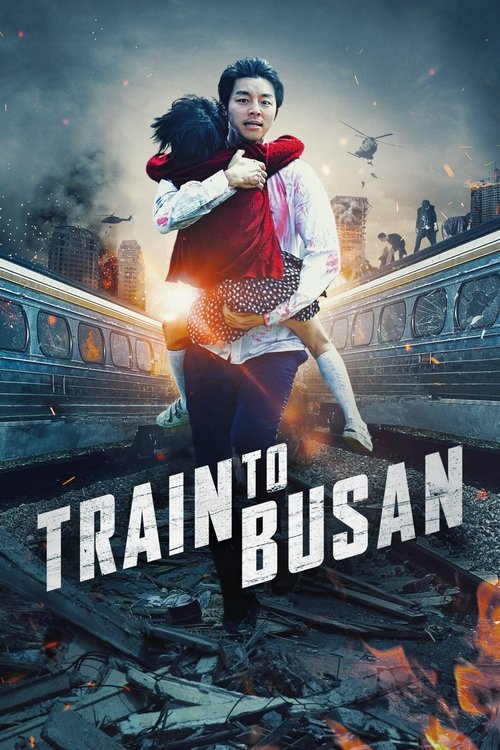
Train to Busan (Yeon Sang-ho, 2016)
Yeon Sang-ho stages nearly the entire outbreak within the fixed geometry of a moving train, and the design discipline is about converting a limited set of connected compartments...

The Babadook (Jennifer Kent, 2014)
Jennifer Kent uses production design and practical effects to keep the monster mostly implied, built from pop-up book illustrations, shadow, and sound rather than a fully rendered...

A Girl Walks Home Alone at Night (Ana Lily Amirpour, 2014)
Ana Lily Amirpour shoots her Iranian vampire western in black and white using cinematographer Lyle Vincent, a choice that strips color from Bad City and lets architecture and...

Ringu (Hideo Nakata, 1998)
Hideo Nakata builds dread from image degradation itself, since the cursed videotape's grainy, analog artifacts, the well, the crawling figure, the flickering light, were achieved...
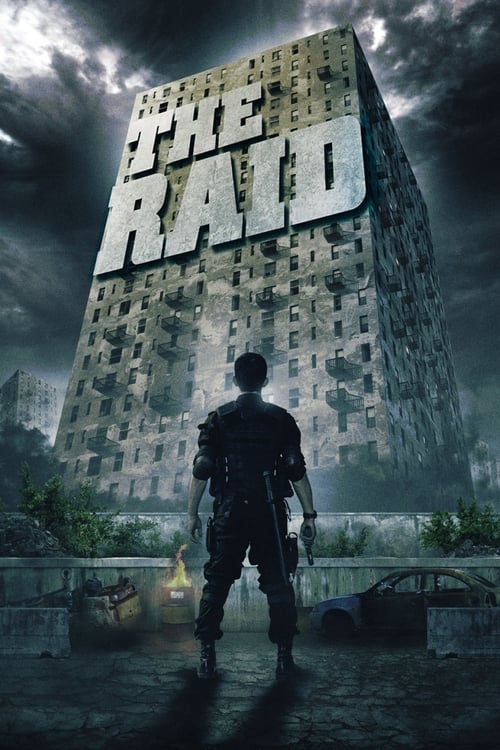
The Raid (Gareth Evans, 2012)
Gareth Evans and fight choreographers Iko Uwais and Yayan Ruhian, both practitioners of pencak silat, design the film's action as a series of escalating, spatially specific...
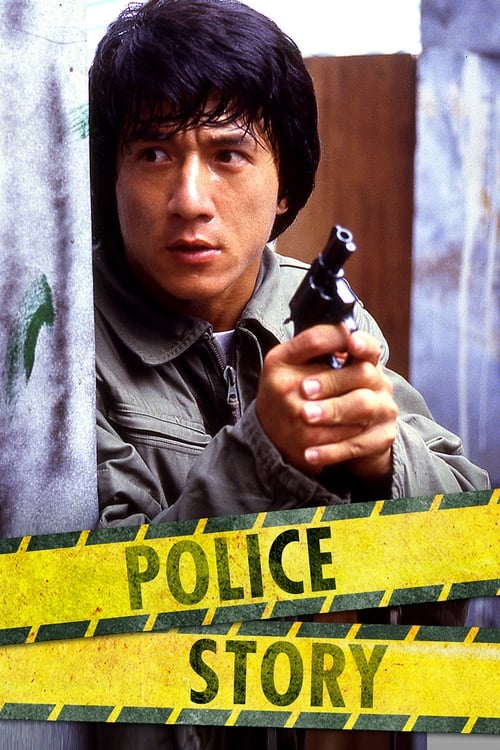
Police Story (Jackie Chan, 1985)
Jackie Chan directs, choreographs, and stars in a film built around stunts performed and shot to prove their own reality, using wide shots, minimal cutting, and repeated angles on...
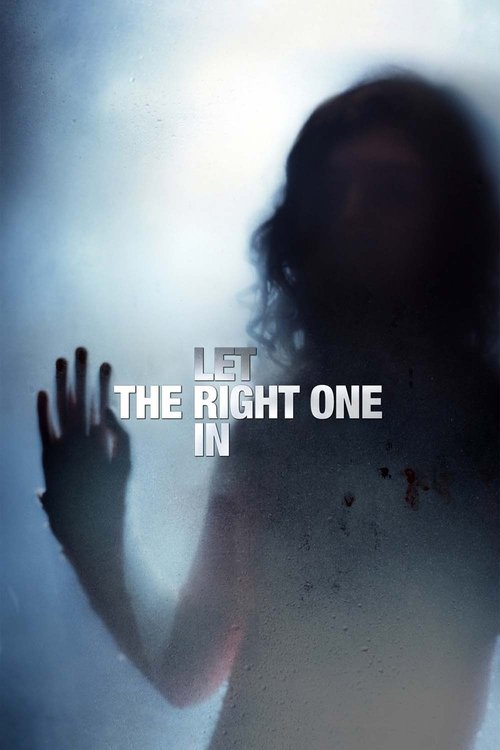
Let the Right One In (Tomas Alfredson, 2008)
Tomas Alfredson and cinematographer Hoyte van Hoytema treat the Swedish winter as a lighting instrument rather than a backdrop, keeping color temperature cold and desaturated so...
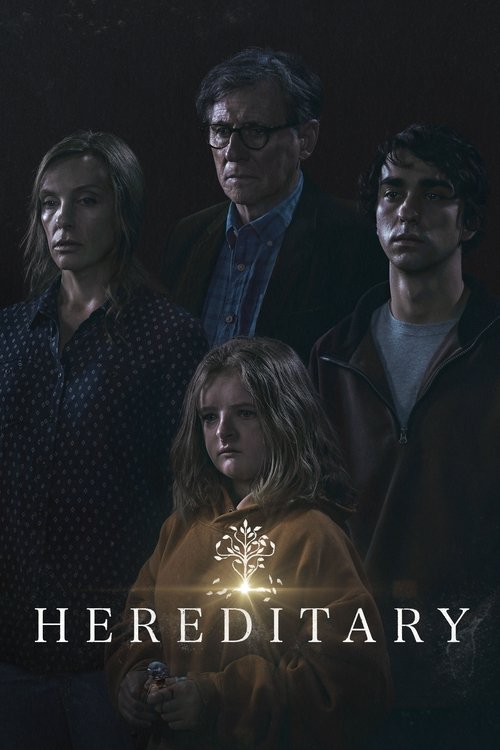
Hereditary (Ari Aster, 2018)
Ari Aster builds dread through architecture: production designer Grace Yun constructed dollhouse miniatures that mirror the family's actual house, and cinematographer Pawel...
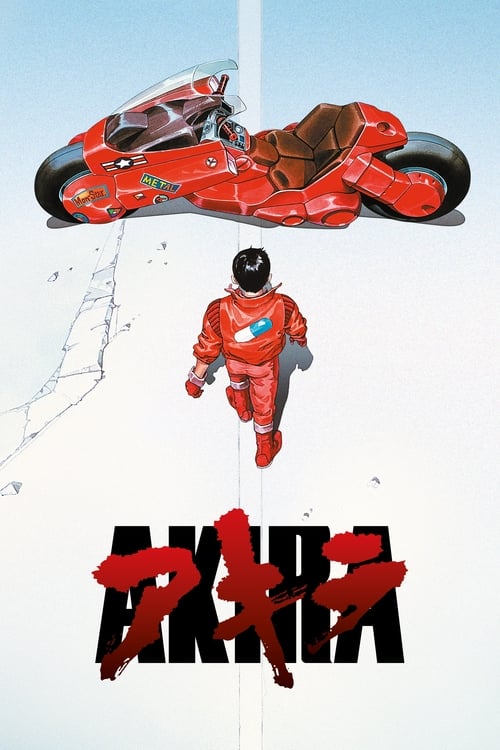
Akira (Katsuhiro Otomo, 1988)
Katsuhiro Otomo directed Akira with over 160,000 individual cels and pushed the industry standard frame count well beyond typical anime output of the period, giving motion a...
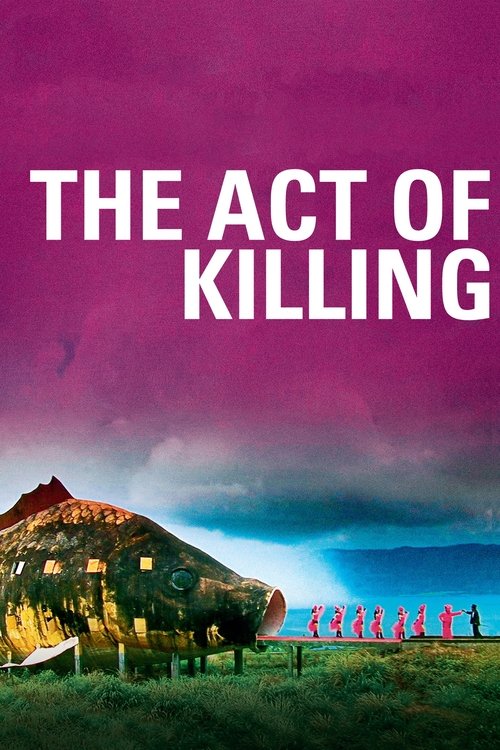
The Act of Killing (Joshua Oppenheimer, 2012)
Joshua Oppenheimer's method here is the film's central formal argument: he invited Indonesian death squad leaders to write, direct, and perform reenactments of their own killings...
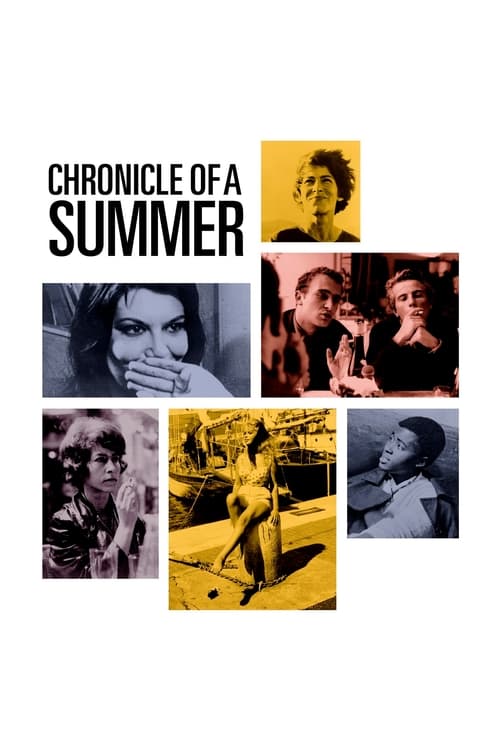
Chronicle of a Summer (Jean Rouch, Edgar Morin, 1961)
Jean Rouch and Edgar Morin made this film as a direct answer to a question posed onscreen, are you happy, using a portable synchronized-sound camera system that Rouch had helped...

Honeyland (Ljubomir Stefanov, Tamara Kotevska, 2019)
Directors Tamara Kotevska and Ljubomir Stefanov shot Honeyland over roughly three years without a script, following beekeeper Hatidze Muratova in a remote Macedonian settlement...
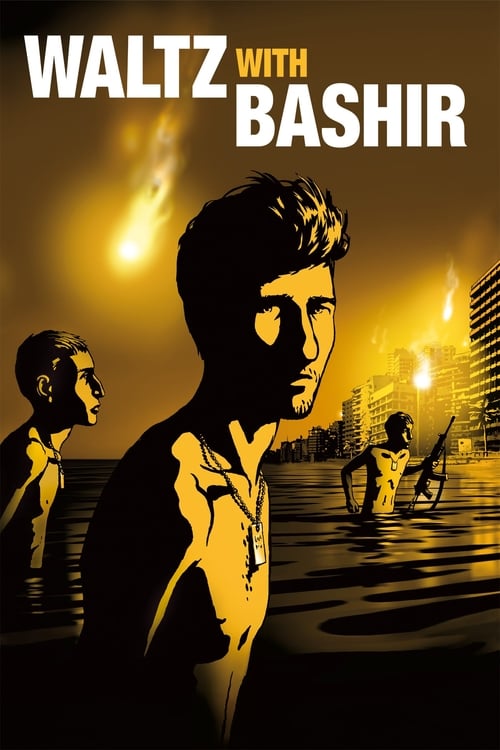
Waltz with Bashir (Ari Folman, 2008)
Ari Folman built this documentary around his own fragmented memory of the 1982 Lebanon War and chose animation, executed under animation director Yoni Goodman using a mix of...

Cameraperson (Kirsten Johnson, 2016)
Kirsten Johnson assembled this film entirely from outtakes and unused footage she shot as a documentary cinematographer on other people's projects over roughly twenty-five years...
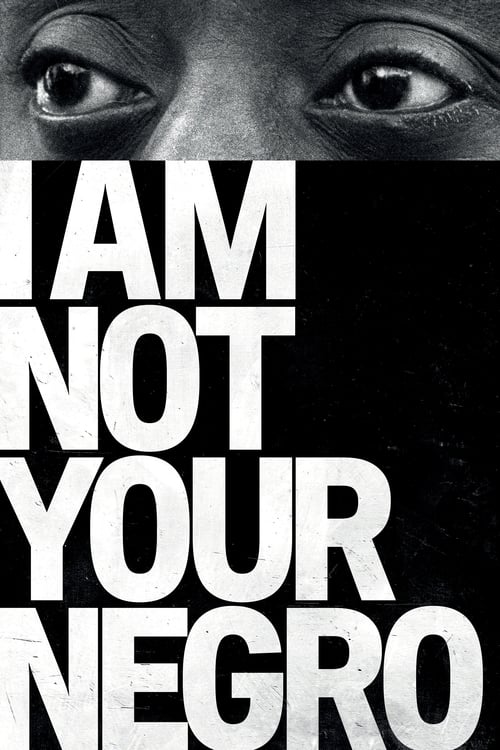
I Am Not Your Negro (Raoul Peck, 2017)
Raoul Peck constructed this film entirely from James Baldwin's unfinished manuscript Remember This House, using Baldwin's own words, voiced by Samuel L. Jackson in a deliberately...
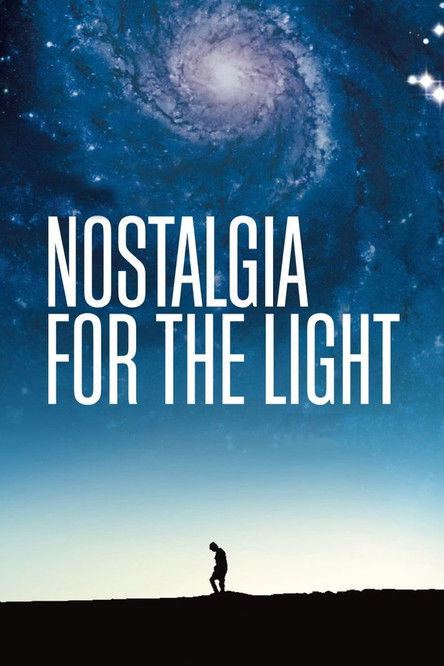
Nostalgia for the Light (Patricio Guzman, 2010)
Patricio Guzman films the Atacama Desert as a single physical location holding two unrelated searches at once, astronomers scanning the sky for the origins of the universe and...
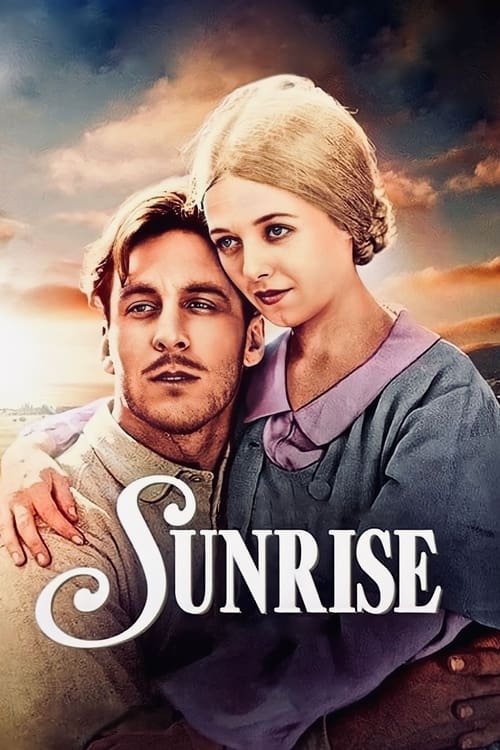
Sunrise: A Song of Two Humans (F. W. Murnau, 1927)
Charles Rosher and Karl Struss built an entire moving camera language for Murnau before dolly tracks were standard equipment, rigging cameras to overhead cables and...
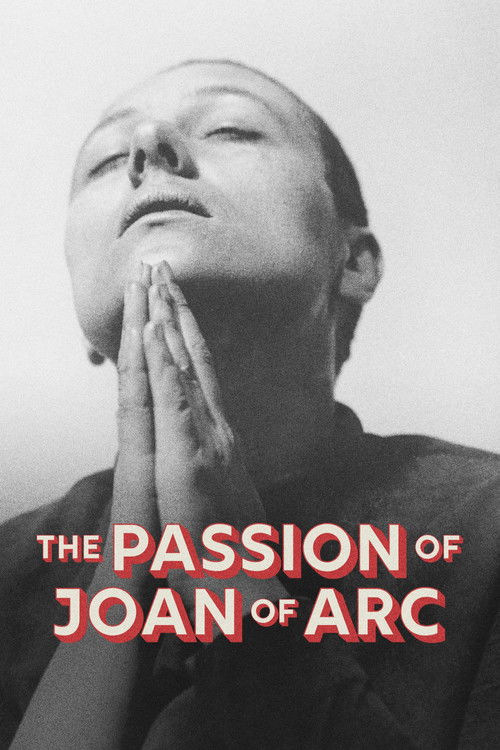
The Passion of Joan of Arc (Carl Theodor Dreyer, 1928)
Dreyer and cinematographer Rudolph Mate shot Renee Falconetti almost entirely in extreme close up, with the actors wearing no makeup under harsh, evenly diffused overhead light so...
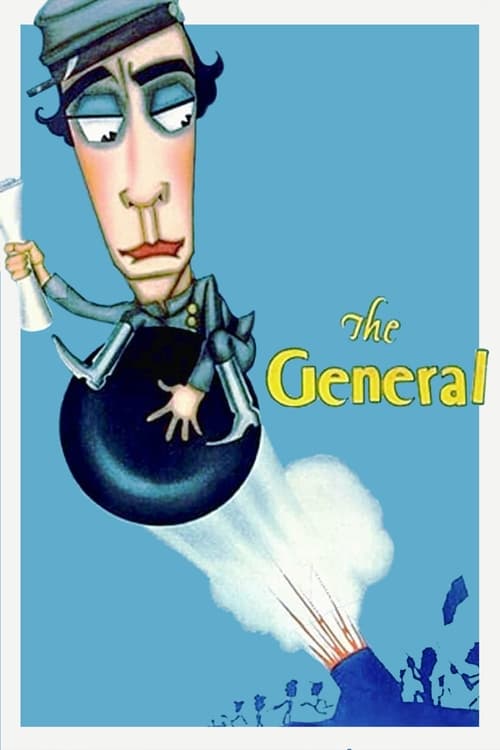
The General (Clyde Bruckman, Buster Keaton, 1926)
Keaton directed, edited and performed his own stunts on a moving locomotive with zero rear projection or process shots, staging the collapse of the Rock River bridge with a real...
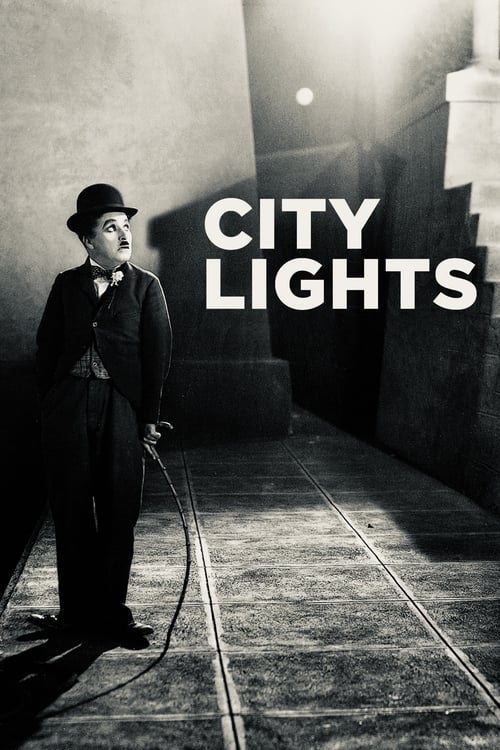
City Lights (Charlie Chaplin, 1931)
Chaplin directed, scored and edited City Lights himself, shooting the flower girl's mistaken-identity setup hundreds of times over more than a year until the blocking produced the...
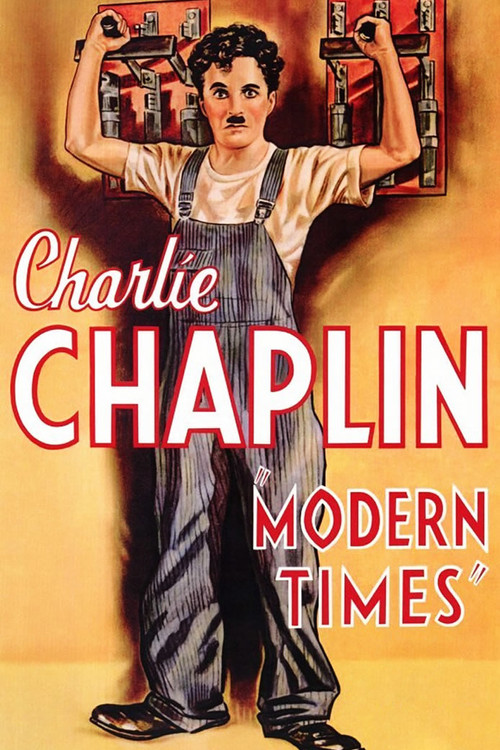
Modern Times (Charlie Chaplin, 1936)
Chaplin cut Modern Times with a rhythm dictated almost entirely by the factory machinery's mechanical pace, letting the editing itself mimic industrial repetition so gags land on...
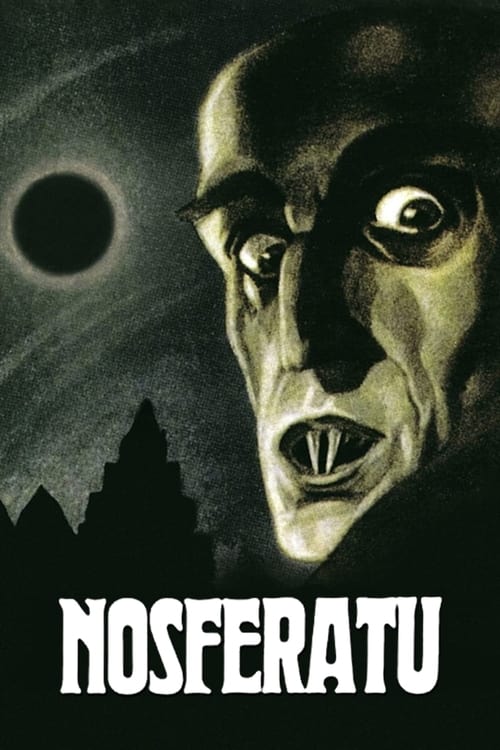
Nosferatu (F. W. Murnau, 1922)
Murnau and cinematographer Fritz Arno Wagner used negative exposure, stop motion and undercranking to make Max Schreck's Orlok move and appear inhumanly, most famously reversing...
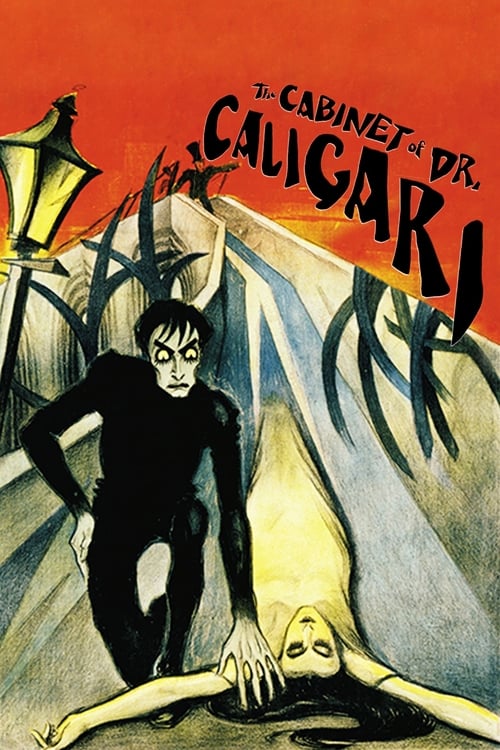
The Cabinet of Dr. Caligari (Robert Wiene, 1920)
Production designers Hermann Warm, Walter Rohrig and Walter Reimann painted distorted perspective, jagged rooftops and warped doorways directly onto flat canvas backdrops and...
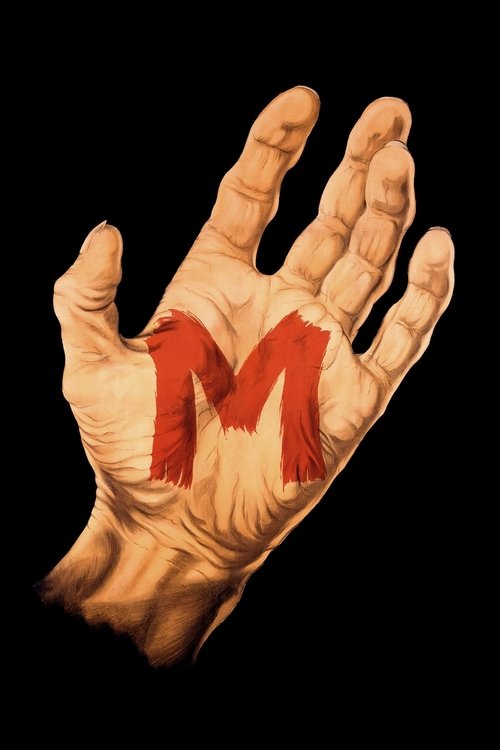
M (Fritz Lang, 1931)
Fritz Lang used sound not as a novelty but as a structural device, most notably Peter Lorre's killer whistling Grieg's In the Hall of the Mountain King off screen, a motif that...
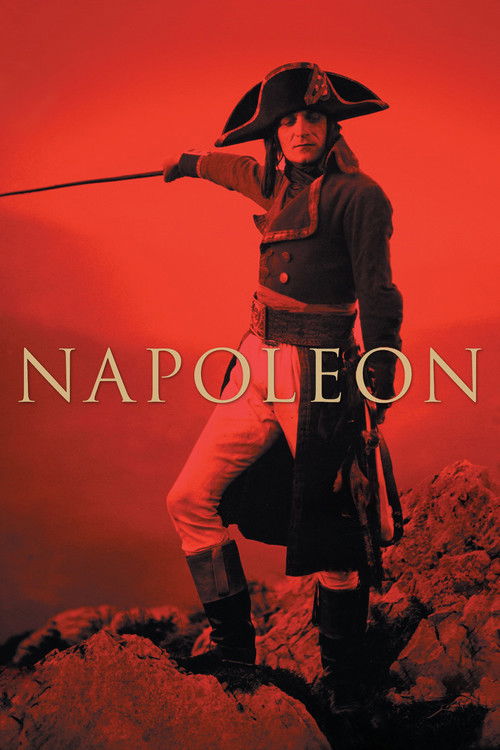
Napoleon (Abel Gance, 1927)
Abel Gance invented Polyvision for Napoleon's climax, mounting three synchronized cameras to project across three adjoining screens, sometimes as one panoramic image and sometimes...
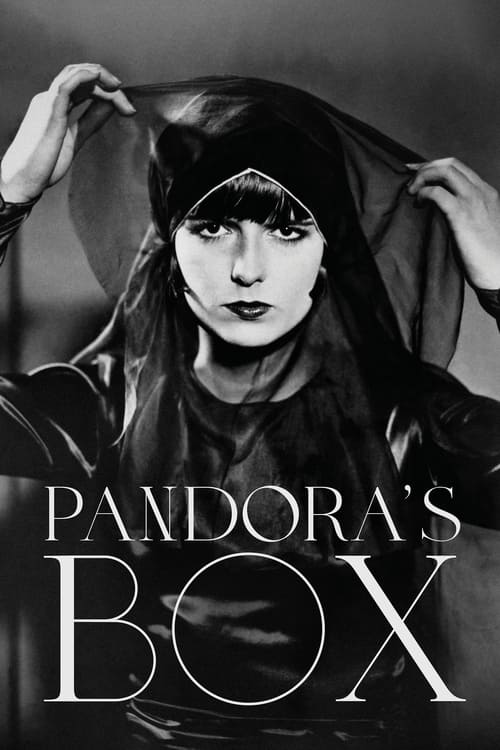
Pandora's Box (G.W. Pabst, 1929)
G.W. Pabst directed Louise Brooks with almost no visible direction at all, favoring long unbroken takes and minimal editorial intrusion so Brooks's naturalistic, unmannered...
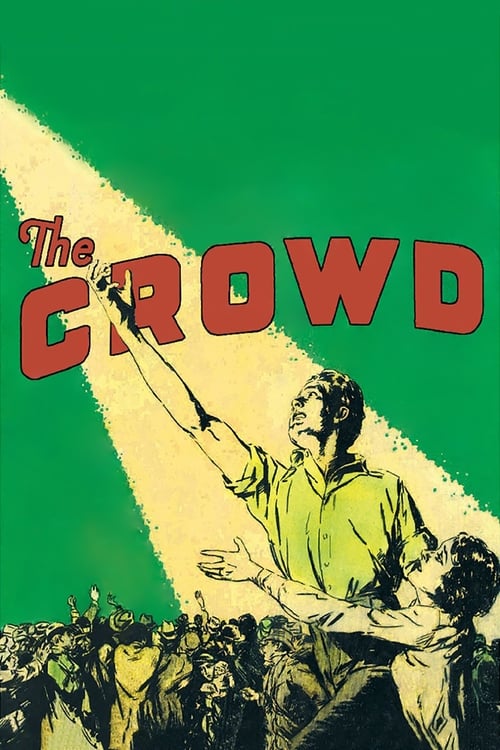
The Crowd (King Vidor, 1928)
King Vidor and cinematographer Henry Sharp built the famous office shot by mounting a camera on an elevator rig and craning up the side of a miniature skyscraper set before...
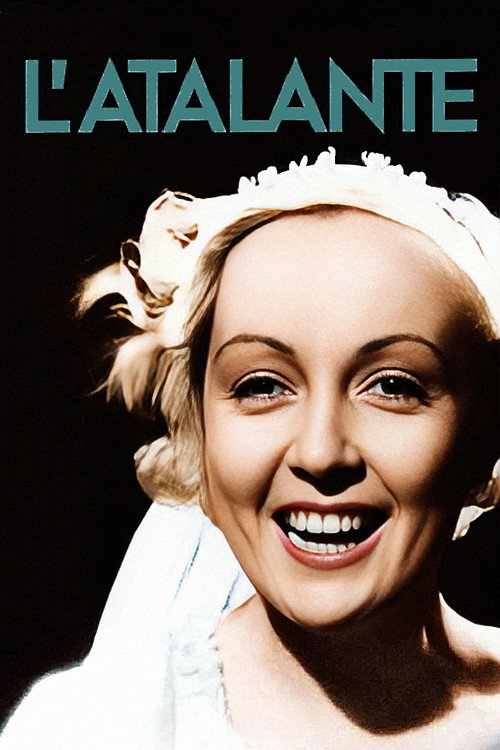
L'Atalante (Jean Vigo, 1934)
Jean Vigo and cinematographer Boris Kaufman shot much of this film on an actual working barge, using the cramped real spaces to force compositions where bodies overlap and...

The Rules of the Game (Jean Renoir, 1939)
Jean Renoir, working with cinematographer Jean Bachelet, staged this film almost entirely in deep focus with a moving camera that tracks through multiple rooms and multiple...

Grand Illusion (Jean Renoir, 1937)
Jean Renoir, writing with Charles Spaak, structures this prisoner of war film around class solidarity crossing enemy lines rather than nationalist conflict, giving the German...
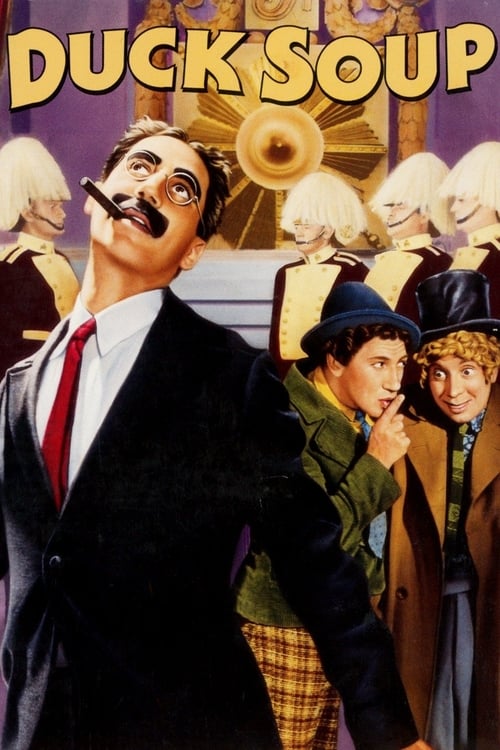
Duck Soup (Leo McCarey, 1933)
Leo McCarey and writers Bert Kalmar and Harry Ruby structured this film as a series of self-contained comedic set pieces, the mirror routine and the war finale chief among them...
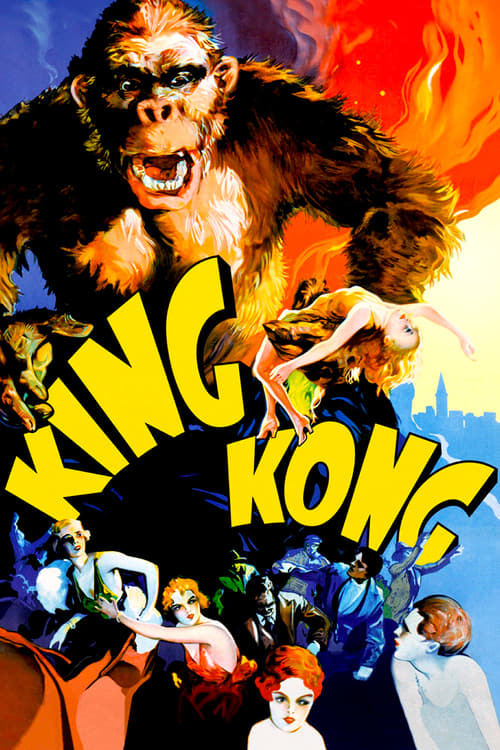
King Kong (Merian C. Cooper, Ernest B. Schoedsack, 1933)
Merian C. Cooper and Willis O'Brien built this film's persuasive power entirely on stop motion animation combined with rear projection and glass matte paintings, techniques...
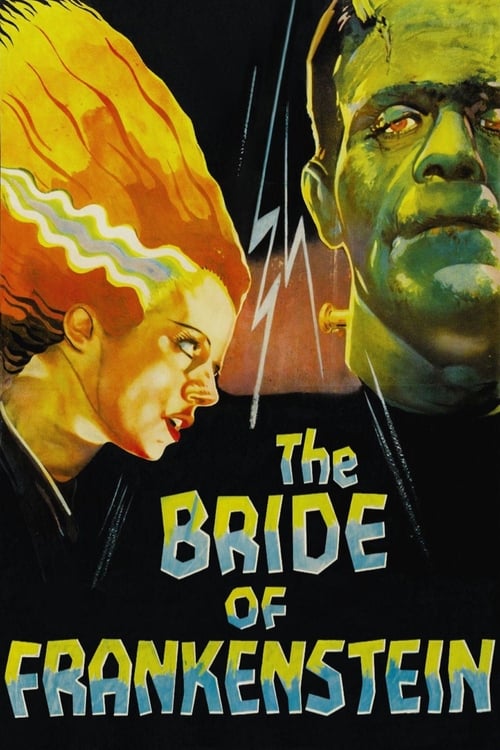
Bride of Frankenstein (James Whale, 1935)
James Whale worked with art director Charles D. Hall to build a visual world of exaggerated German Expressionist angles, tilted laboratory sets and gothic exteriors, that pushes...
Earth (Alexander Dovzhenko, 1930)
Alexander Dovzhenko and cinematographer Danylo Demutsky composed this film's imagery around static, painterly frames of wheat fields, sunflowers and human faces held long enough...
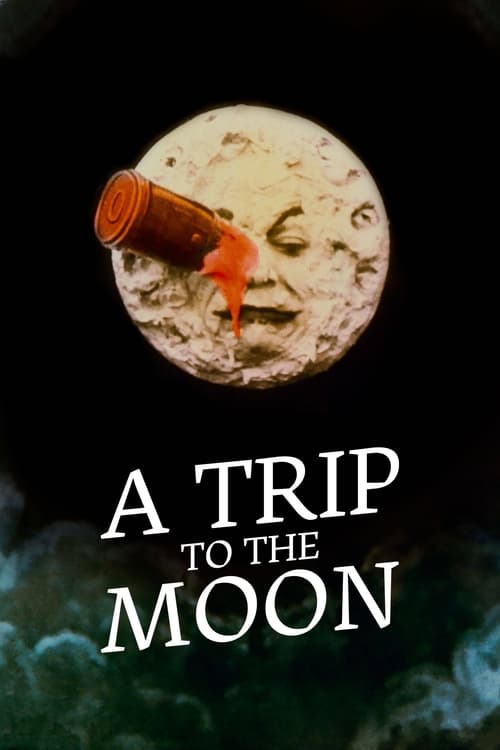
A Trip to the Moon (Georges Melies, 1902)
Georges Melies designed and built this film's sets and effects himself, drawing on his background as a stage magician and theater owner to combine painted backdrops, trapdoors and...
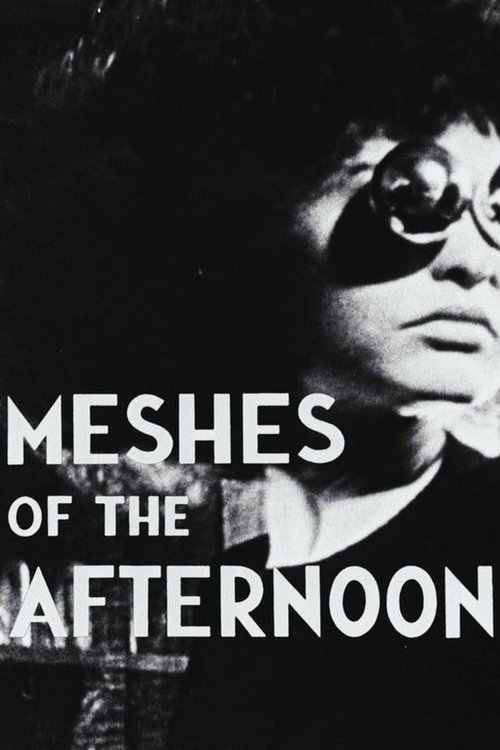
Meshes of the Afternoon (Maya Deren, Alexander Hammid, 1943)
Maya Deren, editing her own footage shot with husband Alexander Hammid, constructed this film's dream logic entirely in the cutting room, using match cuts that carry a figure's...
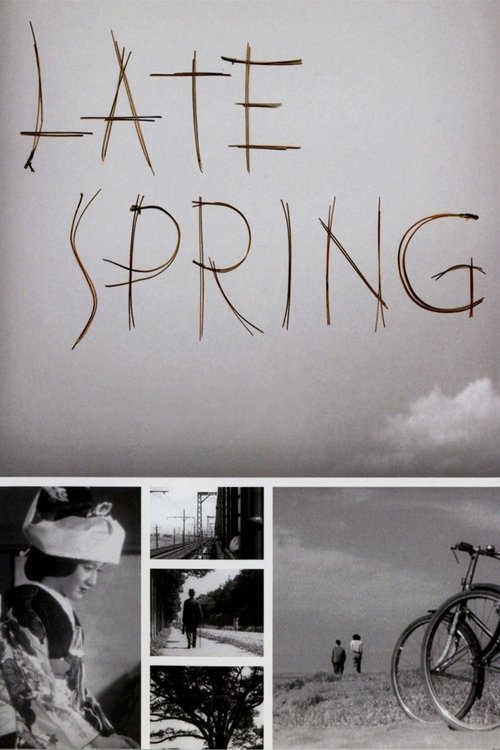
Late Spring (Yasujiro Ozu, 1949)
Yasujiro Ozu and cinematographer Yuharu Atsuta locked the camera roughly at tatami height and refused pans, tilts or dissolves, building the film almost entirely from static...
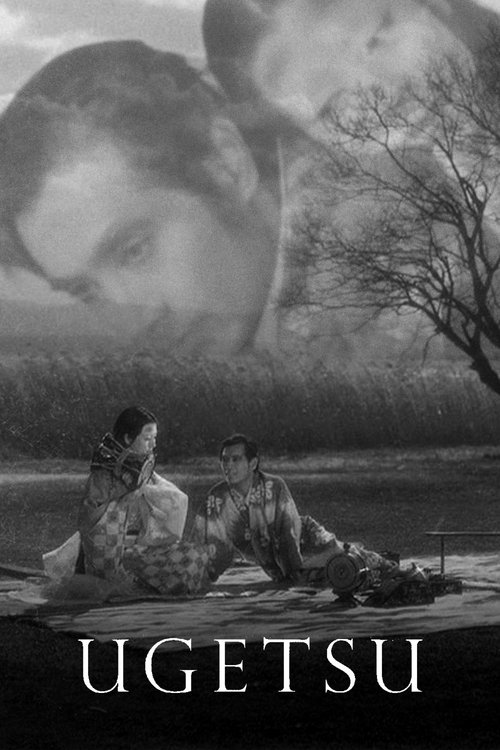
Ugetsu (Kenji Mizoguchi, 1953)
Kenji Mizoguchi and cinematographer Kazuo Miyagawa built the film around long unbroken crane and dolly takes that glide across water, mist and interior space without cutting...
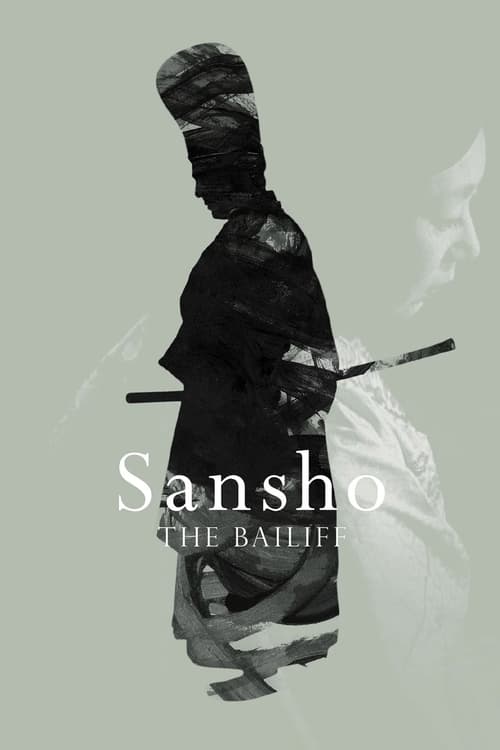
Sansho the Bailiff (Kenji Mizoguchi, 1954)
Kenji Mizoguchi structured the film's suffering through duration rather than incident, letting scenes of separation and servitude run past the point a conventional cut would...
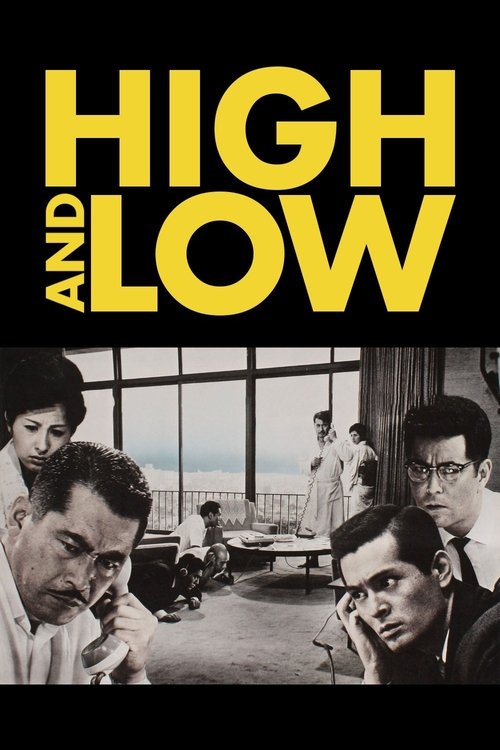
High and Low (Akira Kurosawa, 1963)
Akira Kurosawa and his editors split the film cleanly in structure, spending the first half in a single confined penthouse set before opening into a sprawling multi location...
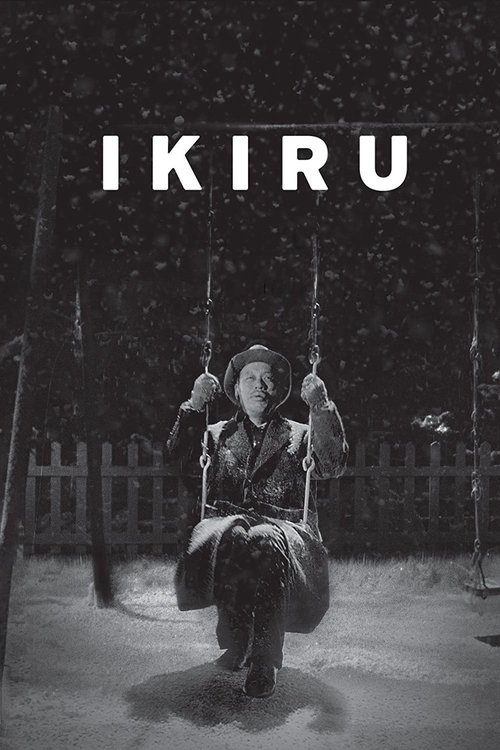
Ikiru (Akira Kurosawa, 1952)
Akira Kurosawa, working with co-writers Shinobu Hashimoto and Hideo Oguni, structured the screenplay around a deliberate rupture: the protagonist dies at the midpoint and the...

Harakiri (Masaki Kobayashi, 1962)
Production designer Junichi Osumi built the clan's mansion as a series of impossibly symmetrical, geometrically rigid interiors, with corridors and courtyards framed by...
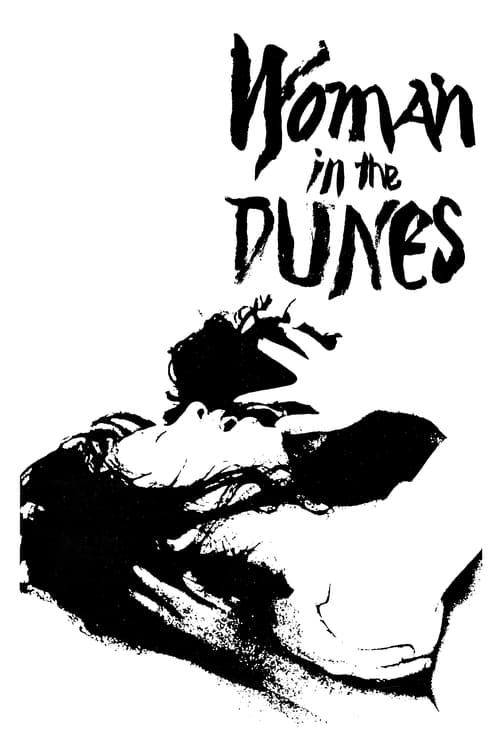
Woman in the Dunes (Hiroshi Teshigahara, 1964)
Composer Toru Takemitsu built the score around glissando strings, extended techniques and dense electronic textures rather than melody, treating sound as another form of the sand...
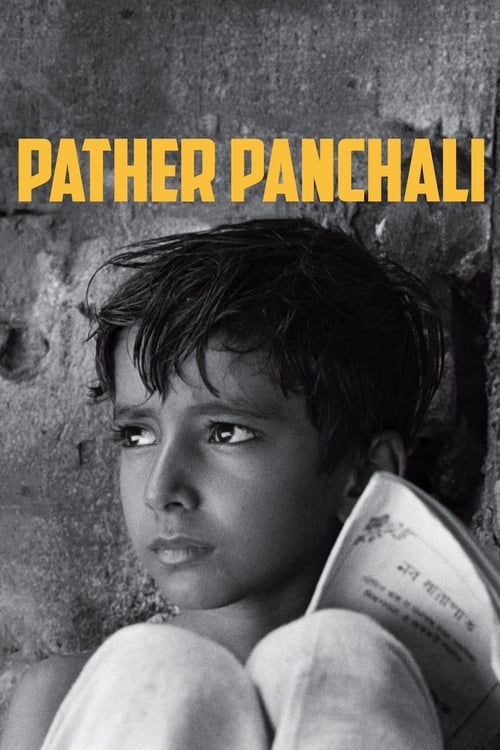
Pather Panchali (Satyajit Ray, 1955)
Cinematographer Subrata Mitra, shooting his first feature with almost no prior professional experience, developed bounce lighting techniques on set using cloth reflectors to...
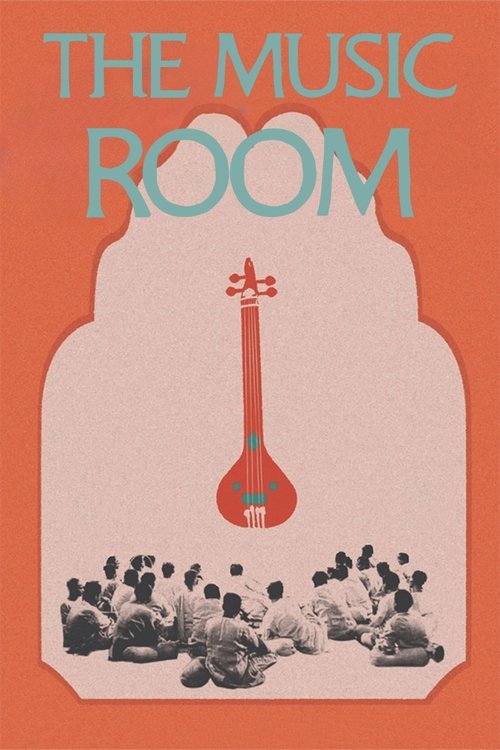
The Music Room (Satyajit Ray, 1958)
Satyajit Ray built the film's sound design around actual performances of Hindustani classical music and dance staged at length within the frame, using real musicians including...
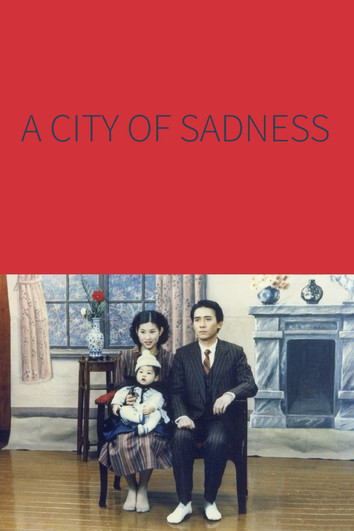
A City of Sadness (Hou Hsiao-hsien, 1989)
Hou Hsiao-hsien directed almost entirely in long static or slow panning wide shots, refusing close ups even during moments of political violence and family grief, forcing the...
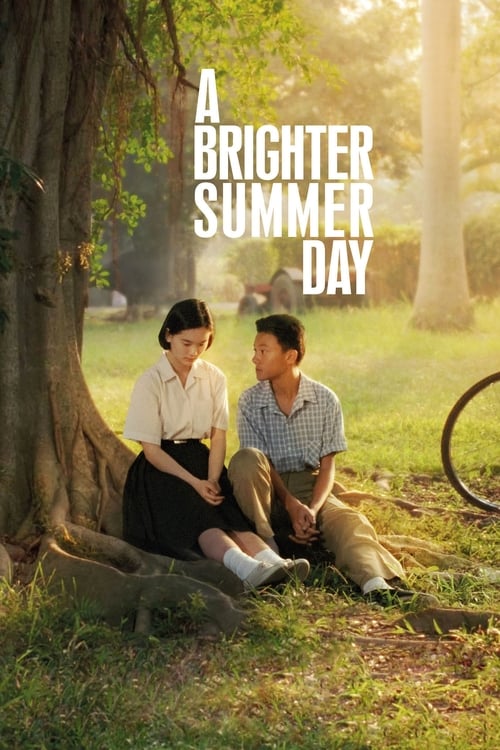
A Brighter Summer Day (Edward Yang, 1991)
Edward Yang built a four-hour epic around blocking and distance rather than close-ups, staging teenage gang violence in wide shots where faces are often obscured by darkness or...
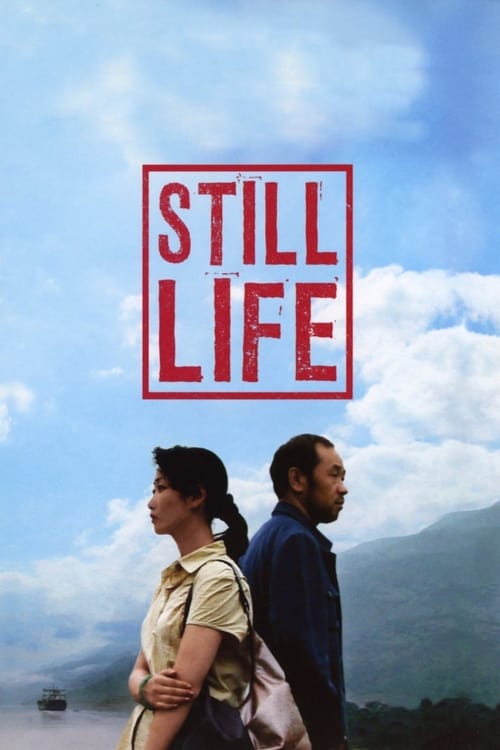
Still Life (Jia Zhangke, 2006)
Jia Zhangke shot this film in the actual demolition zones of Fengjie as the Three Gorges Dam flooded the region, with cinematographer Yu Lik-wai using long static takes and slow...

Spring in a Small Town (Fei Mu, 1948)
Fei Mu made this film in war-ravaged Shanghai with minimal resources, and instead of hiding those constraints he built the entire visual language around confinement, using a...
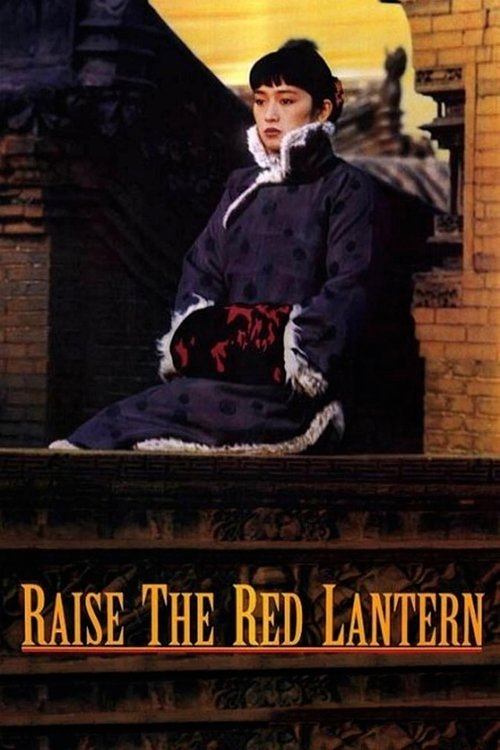
Raise the Red Lantern (Zhang Yimou, 1991)
Production designer Cao Jiuping transformed a real Qing-era compound into a rigid architectural metaphor, using symmetrical courtyards and repeating red lanterns as a visual...
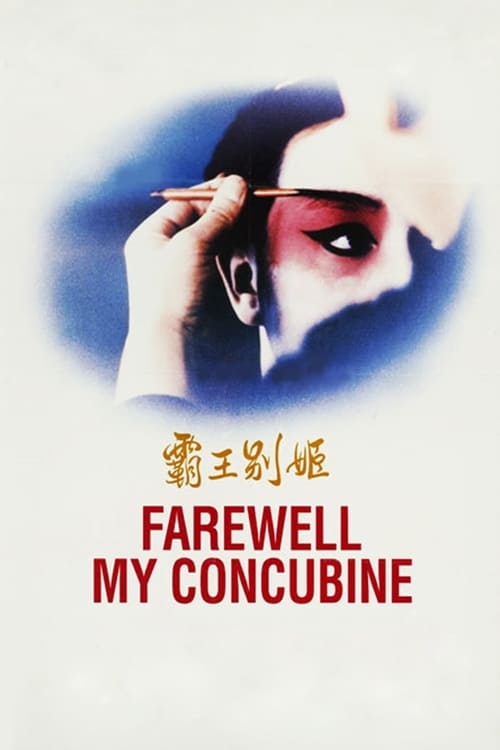
Farewell My Concubine (Chen Kaige, 1993)
Lilian Lee and Lu Wei adapted Lee's novel into a script spanning five decades, structuring the narrative so shifts in Chinese political history are refracted through the Peking...

Yellow Earth (Chen Kaige, 1984)
Cinematographer Zhang Yimou, working before his own directing career, shot this film with compositions that place the horizon line at the very top of the frame, burying human...
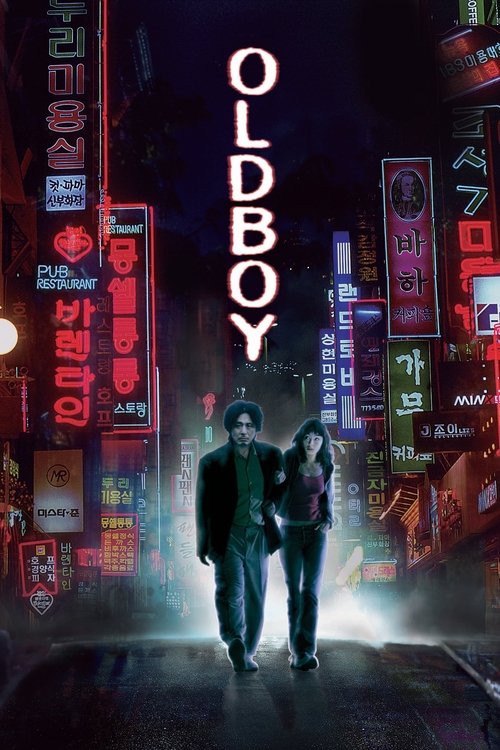
Oldboy (Park Chan-wook, 2003)
Editor Kim Sang-bum built the film's rhythm around long, unbroken takes punctuated by sudden violent cuts, most famously in the corridor hammer fight, which reads as one...
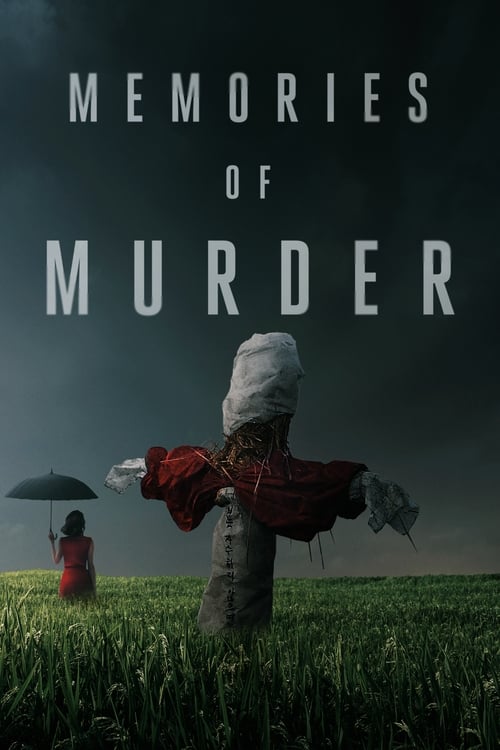
Memories of Murder (Bong Joon Ho, 2003)
Bong Joon-ho and co-writer Shim Sung-bo structured this screenplay around a true unsolved case, and their key decision was refusing the genre's promise of resolution, building...

Poetry (Lee Chang-dong, 2010)
Lee Chang-dong wrote this screenplay to run parallel structures simultaneously, an aging woman's early-stage dementia and her discovery that her grandson took part in a group...
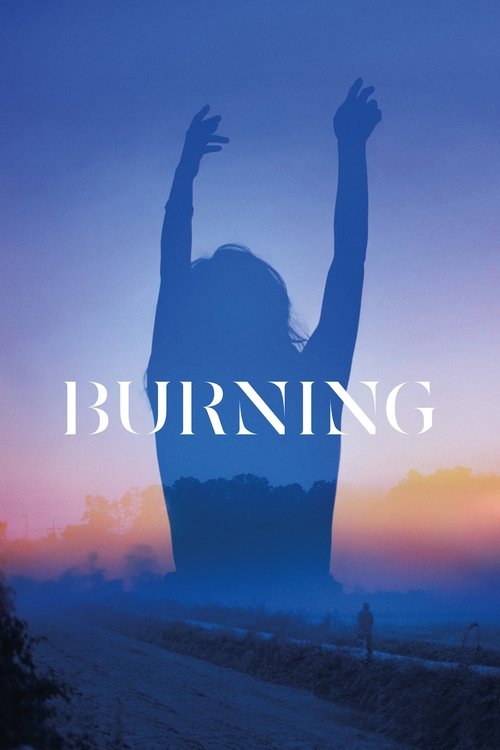
Burning (Lee Chang-dong, 2018)
Lee Chang-dong adapted a short Murakami story by expanding its ambiguity rather than resolving it, keeping the audience unsure whether a greenhouse was ever burned or a woman ever...
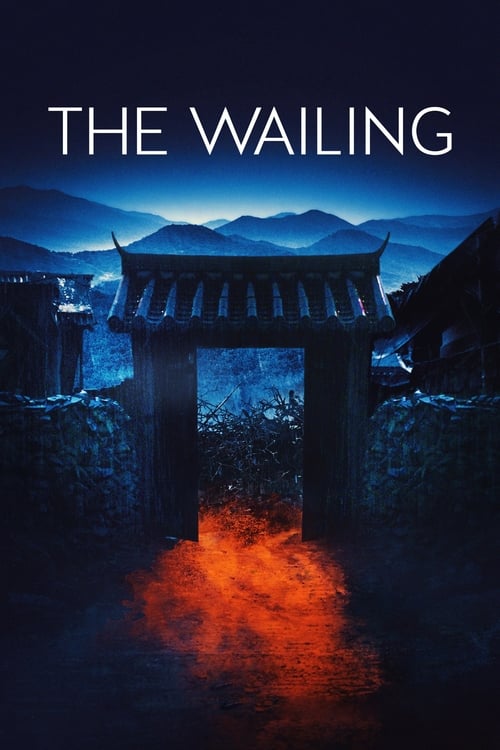
The Wailing (Na Hong-jin, 2016)
Na Hong-jin builds The Wailing on tonal whiplash, cutting from procedural comedy into shamanic horror without softening the seams. Cinematographer Hong Kyung-pyo shoots the...

Grave of the Fireflies (Isao Takahata, 1988)
Isao Takahata refused to let animation soften wartime suffering, directing his layout artists to draw figures with anatomically honest malnutrition rather than stylized pathos. He...
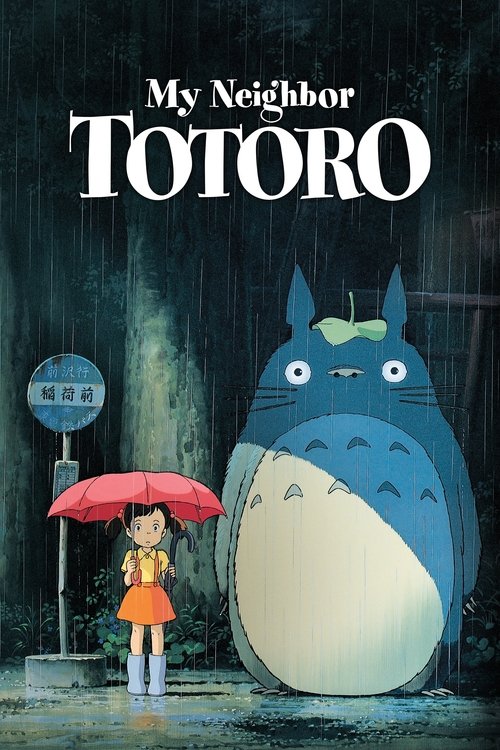
My Neighbor Totoro (Hayao Miyazaki, 1988)
Hayao Miyazaki designed Totoro's world around negative space, insisting his background artists leave rooms, fields and rooflines uncluttered so a child's eye has somewhere to...
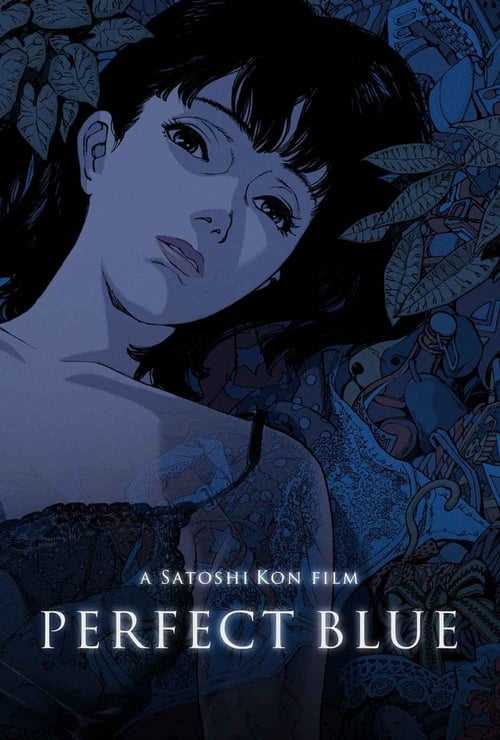
Perfect Blue (Satoshi Kon, 1998)
Satoshi Kon built Perfect Blue entirely around match cuts that deceive rather than clarify, training editor Harutoshi Kaneyama to bridge scenes on gesture and framing so the...

Millennium Actress (Satoshi Kon, 2002)
Satoshi Kon directs Millennium Actress as a moving argument that a life and a filmography are the same footage, staging transitions where an interviewer and cameraman literally...

Ghost in the Shell (Mamoru Oshii, 1995)
Mamoru Oshii and production designer Hiromasa Ogura built Ghost in the Shell's Hong Kong-inflected city from layered, densely signed environments where advertising, plumbing and...

The Tale of the Princess Kaguya (Isao Takahata, 2013)
Isao Takahata abandoned finished cel line work entirely for this production, directing animators to leave visible pencil strokes, unfinished edges and watercolor bleed on screen...
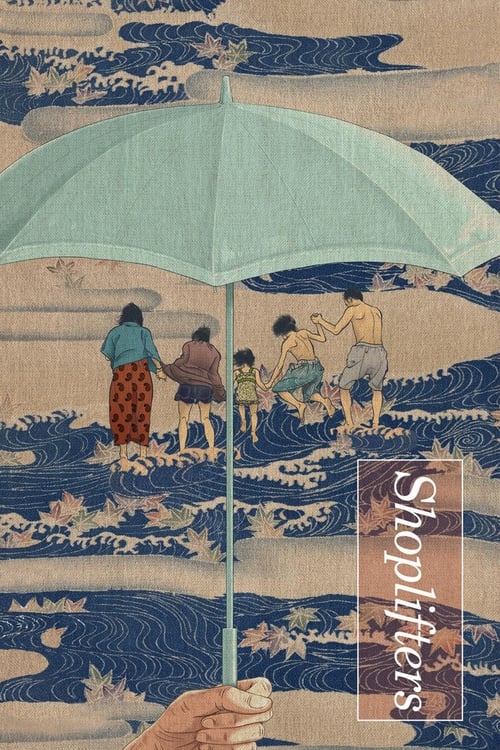
Shoplifters (Hirokazu Kore-eda, 2018)
Hirokazu Kore-eda shot Shoplifters chronologically, an unusual choice for a family drama, so his actors could accumulate the intimacy of the household in the same order the...
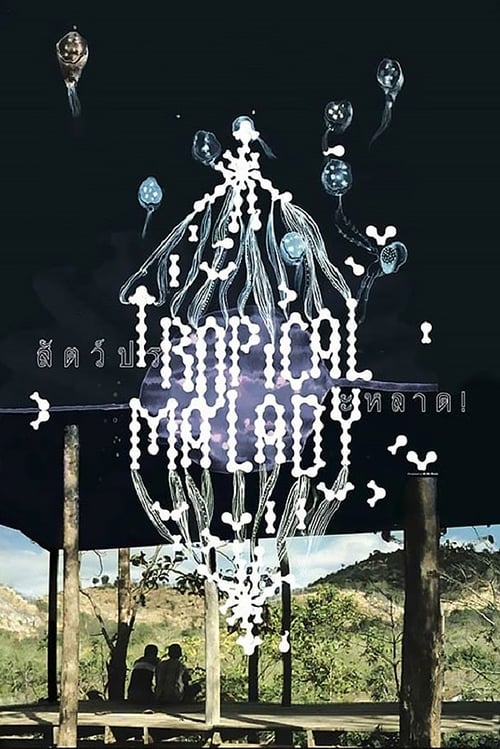
Tropical Malady (Apichatpong Weerasethakul, 2004)
Apichatpong Weerasethakul splits Tropical Malady into two ostensibly unrelated halves, a village romance and a jungle myth, and refuses any bridging device beyond a black screen...
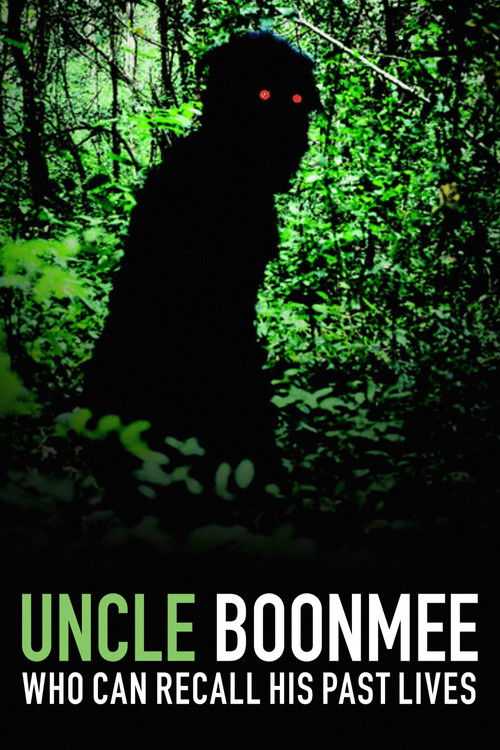
Uncle Boonmee Who Can Recall His Past Lives (Apichatpong Weerasethakul, 2010)
Apichatpong Weerasethakul and cinematographer Sayombhu Mukdeeprom shot different segments of Uncle Boonmee in visibly different film stocks and aspect ratios, deliberately citing...
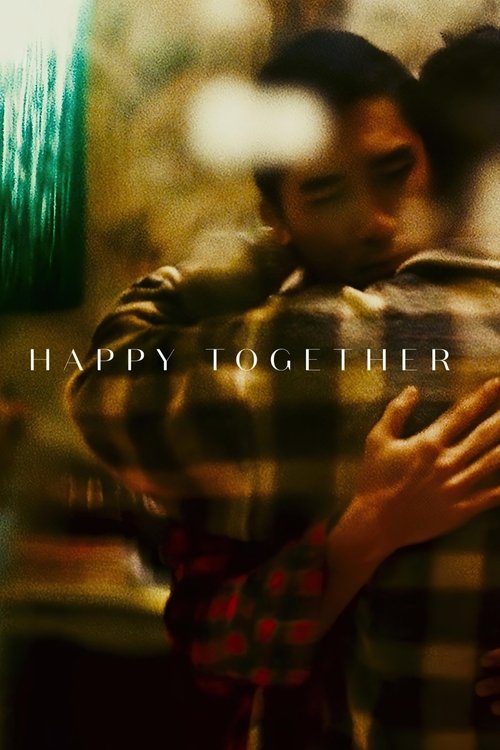
Happy Together (Wong Kar-wai, 1997)
Christopher Doyle shot Buenos Aires in oversaturated color and jagged handheld frames, then dropped to desaturated near-monochrome for the loneliest stretches, a visible emotional...

Salaam Bombay! (Mira Nair, 1988)
Mira Nair cast real street children from Bombay and ran a months long workshop process with acting coach Barry John before shooting a frame, building trust and improvisational...
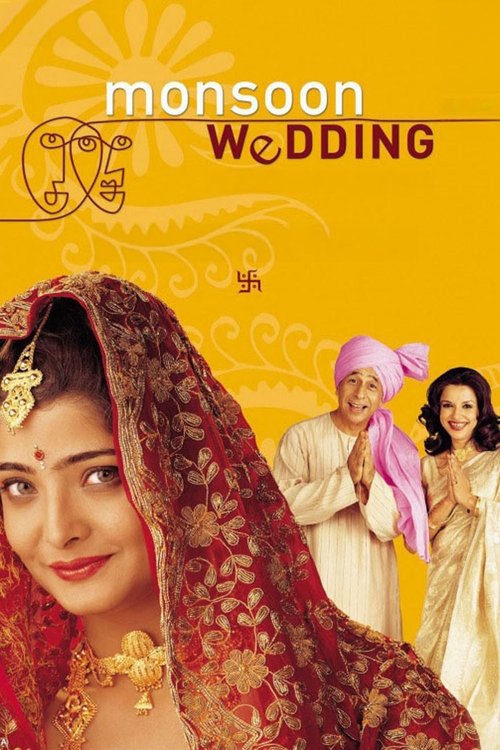
Monsoon Wedding (Mira Nair, 2001)
Editor Allyson C. Johnson cut Monsoon Wedding to feel like it was assembled inside the chaos of the wedding itself, crosscutting five or six subplots at a clip that never lets any...

Court (Chaitanya Tamhane, 2015)
Chaitanya Tamhane shot Court almost entirely in static, locked off wide shots that hold well past the point where a conventional courtroom drama would cut, forcing the audience to...
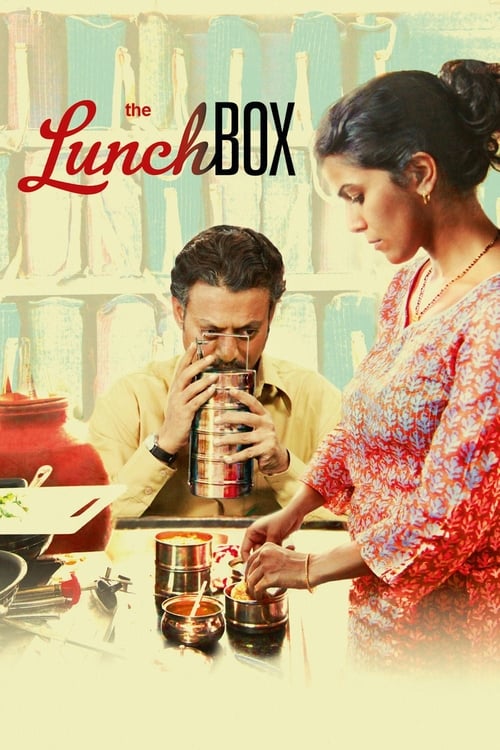
The Lunchbox (Ritesh Batra, 2013)
Ritesh Batra built the entire screenplay around a single believable structural device, a rare misdelivery in Mumbai's dabbawala lunchbox system, and then disciplined the script to...
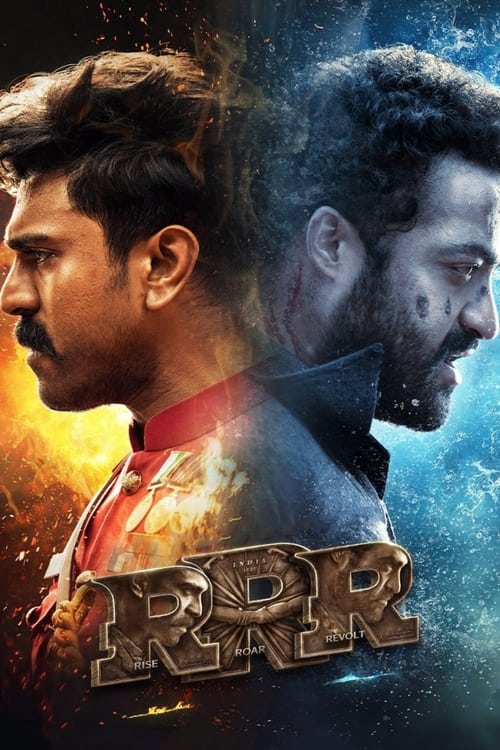
RRR (S. S. Rajamouli, 2022)
S. S. Rajamouli builds RRR's action sequences on pure escalating spectacle logic rather than realism, staging the bridge rescue and the animal stampede as modular set pieces that...
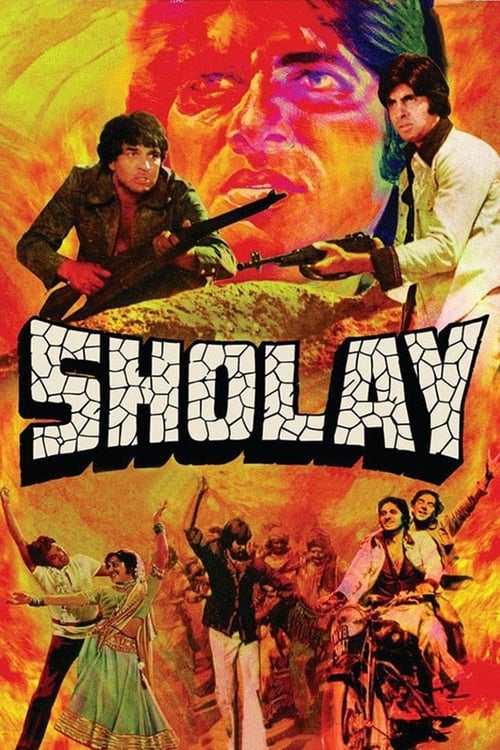
Sholay (Ramesh Sippy, 1975)
Ramesh Sippy and cinematographer Dwarka Divecha shot Sholay in 70mm and stereophonic sound, rare investments for Indian commercial cinema then, using the widescreen frame to stage...
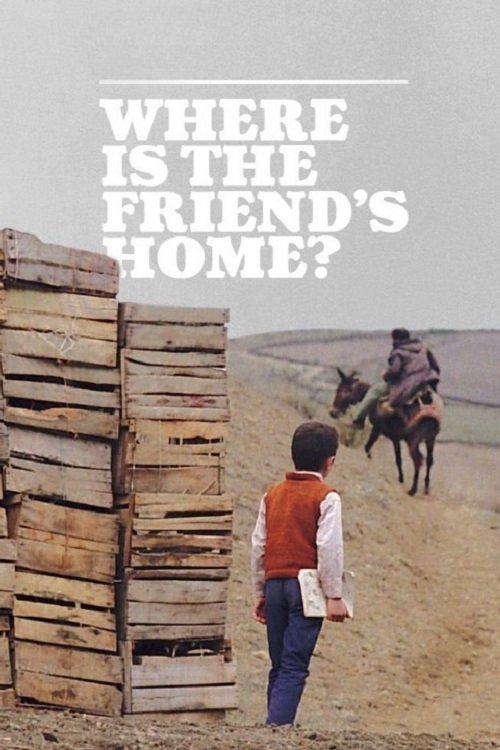
Where Is the Friend's House? (Abbas Kiarostami, 1987)
Abbas Kiarostami built the film around a single simple errand, a boy trying to return a classmate's notebook, and directed nonprofessional child actors by giving them situations...
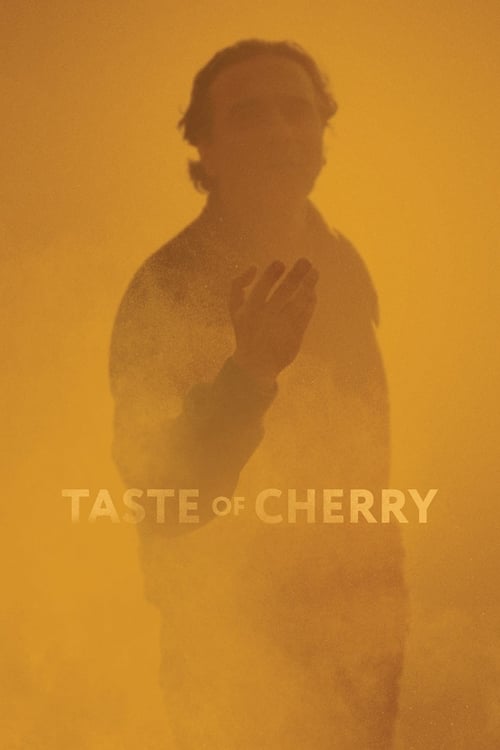
Taste of Cherry (Abbas Kiarostami, 1997)
Abbas Kiarostami shot most of Taste of Cherry inside a moving car, using a fixed windshield mounted camera and reverse angle setups that isolate Mr. Badii from his passengers even...
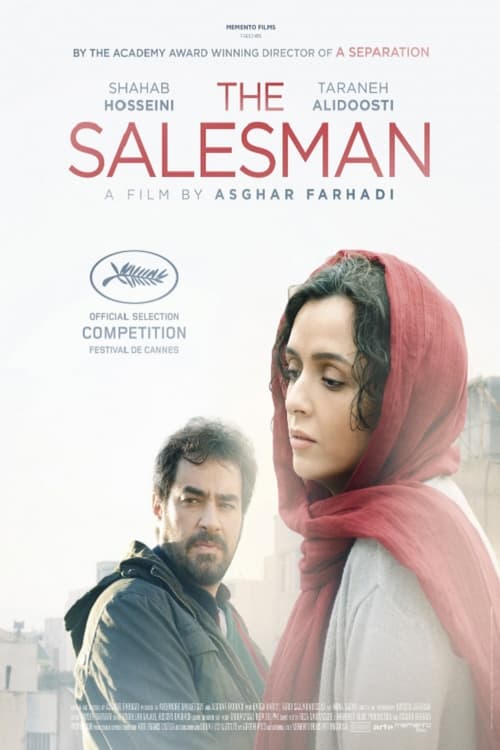
The Salesman (Asghar Farhadi, 2016)
Asghar Farhadi structures the screenplay so a violent incident happens almost entirely offscreen and early, then spends the rest of the film withholding full information from both...
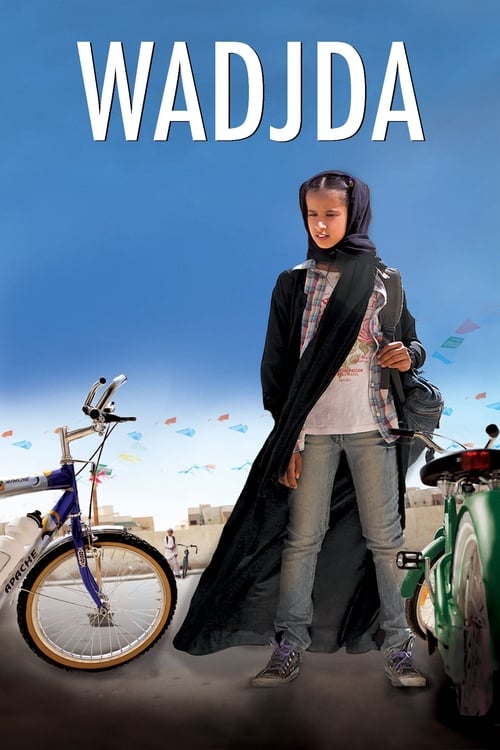
Wadjda (Haifaa al-Mansour, 2012)
Haifaa al-Mansour directed much of Wadjda from inside a production van, communicating to actors by walkie talkie because filming in public with a mixed crew was legally fraught in...
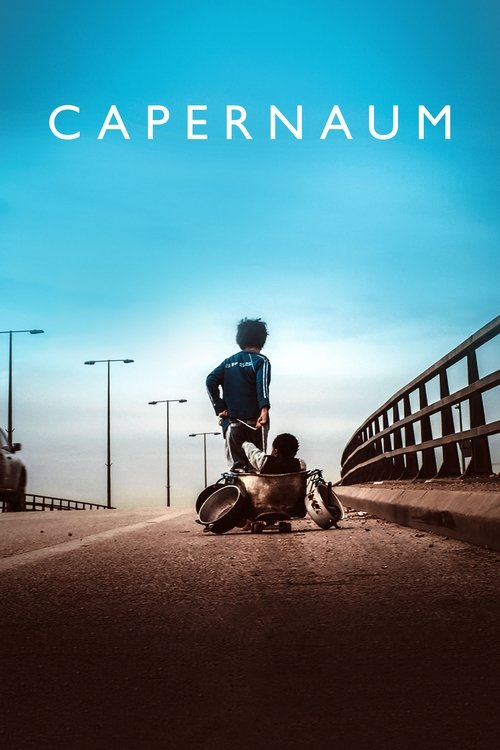
Capernaum (Nadine Labaki, 2018)
Nadine Labaki and editor Konstantin Bock built Capernaum from over 500 hours of footage, shot with loose documentary coverage rather than a locked script, then found the film's...
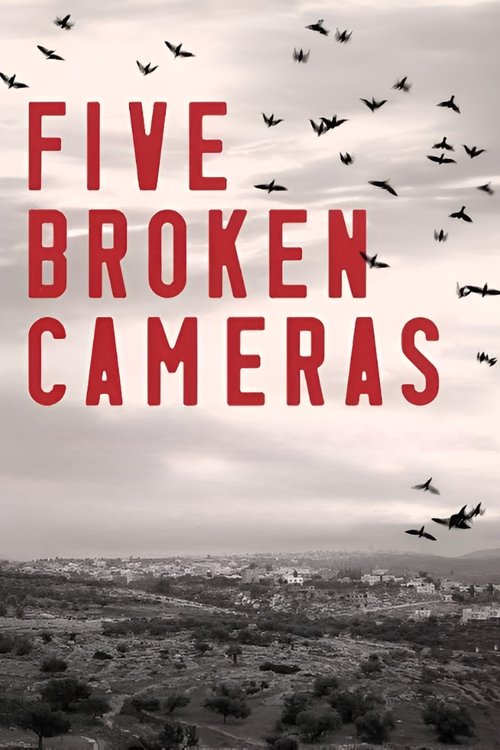
5 Broken Cameras (Emad Burnat, 2011)
Emad Burnat shot 5 Broken Cameras on consumer cameras that were destroyed one by one during the events he was filming, and the film's title and structure are built directly from...
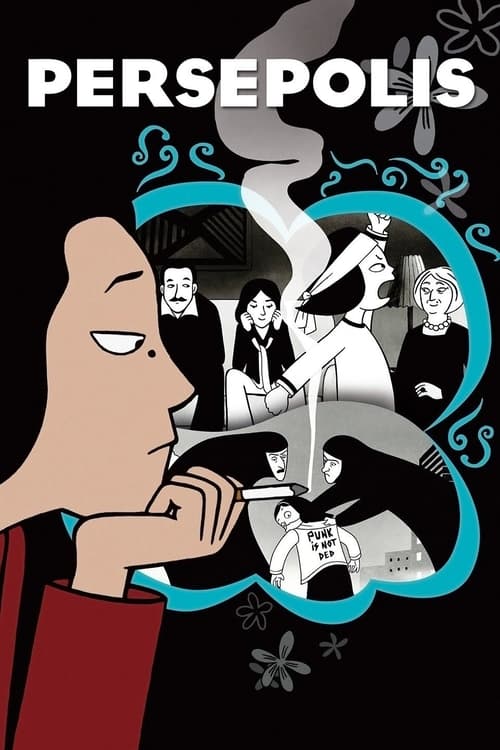
Persepolis (Vincent Paronnaud, Marjane Satrapi, 2007)
Marjane Satrapi and co-director Vincent Paronnaud translated Satrapi's black and white graphic novel into animation using flat, high-contrast 2D compositing instead of adapting...
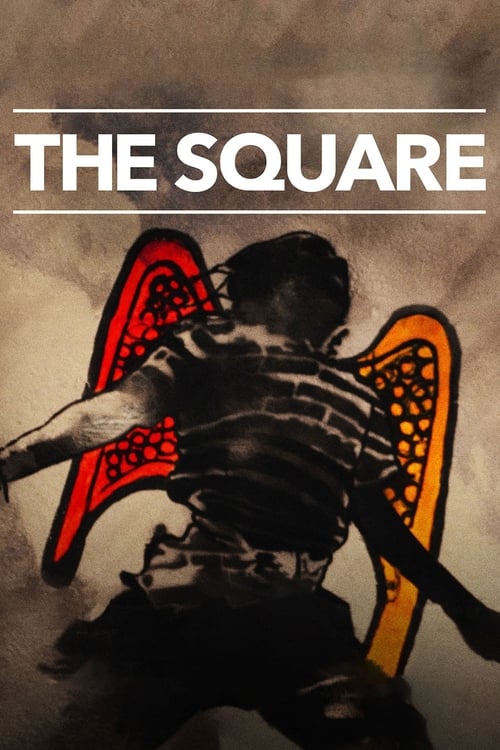
The Square (Jehane Noujaim, 2013)
Jehane Noujaim shot The Square over more than two years of unfolding revolution in Tahrir Square, so the film's structure could not be planned in advance and instead was...
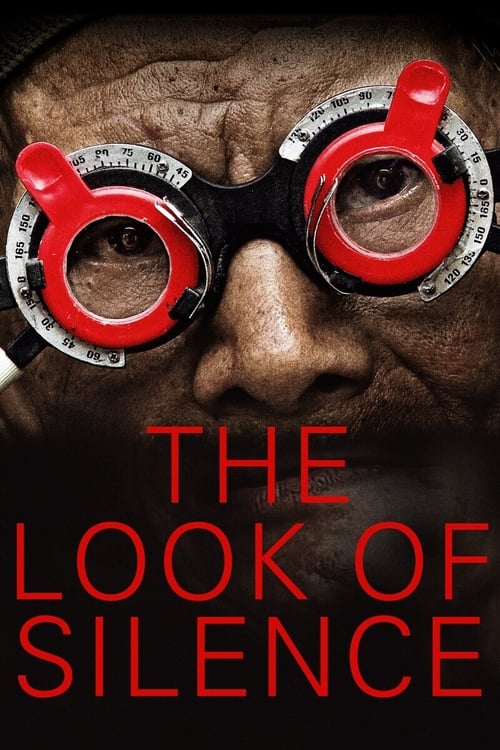
The Look of Silence (Joshua Oppenheimer, 2014)
Joshua Oppenheimer built The Look of Silence around one confrontational device: an optometrist, whose brother was murdered in the Indonesian genocide, fits eye exams for the men...
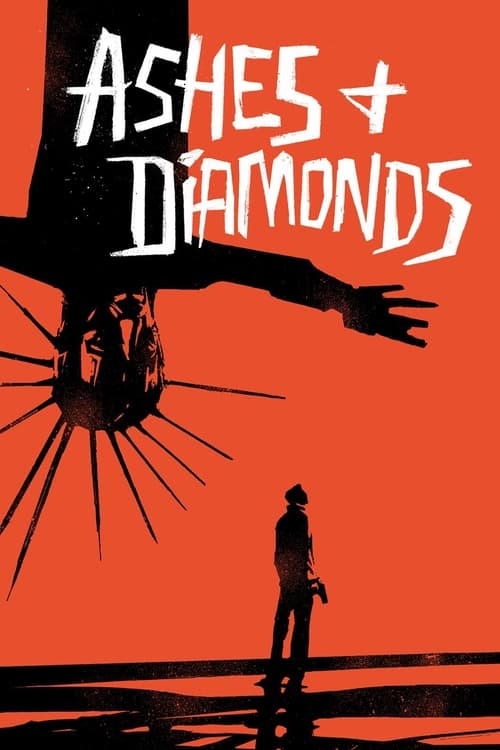
Ashes and Diamonds (Andrzej Wajda, 1958)
Cinematographer Jerzy Wojcik and director Andrzej Wajda used stark high contrast black and white and severe compositional framing, faces cut by doorways, chandeliers hanging over...
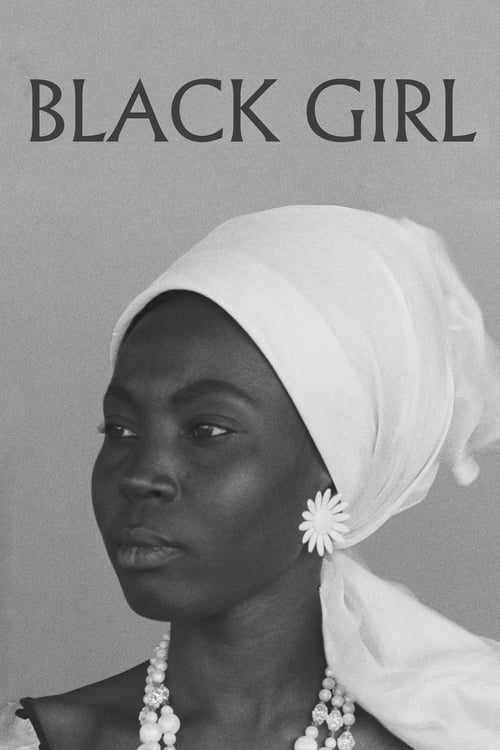
Black Girl (Ousmane Sembene, 1966)
Ousmane Sembene directed Black Girl as his first feature after training in Soviet film schools, and he used a flat, unadorned visual style deliberately stripped of the exoticism...
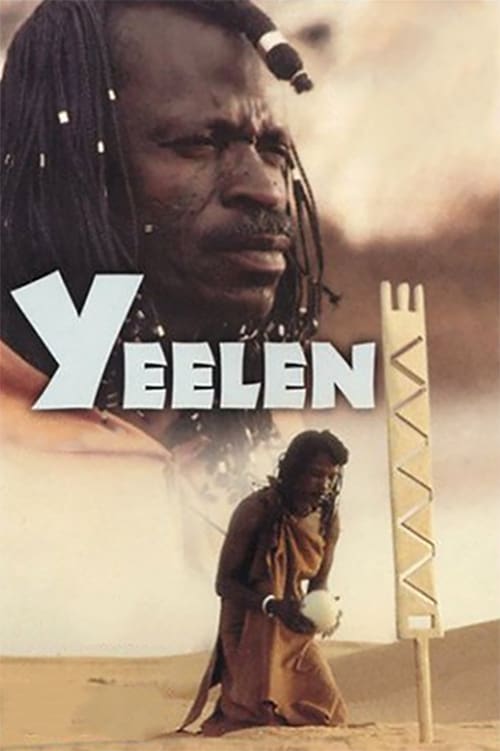
Yeelen (Souleymane Cisse, 1987)
Souleymane Cisse shot Yeelen largely on location in Mali using natural light and the region's actual landscapes, letting harsh sun, dust and open savanna register as the film's...
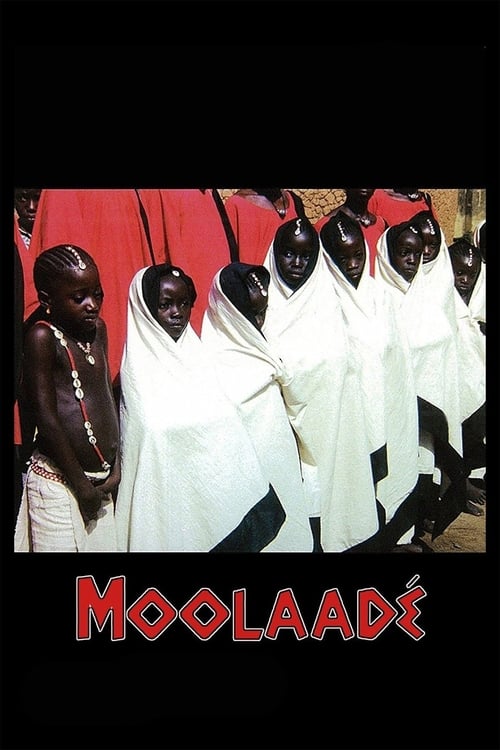
Moolaade (Ousmane Sembene, 2004)
Ousmane Sembene wrote Moolaade to dramatize resistance to female genital cutting through a single act of sanctuary, a woman invoking traditional protective law to shelter girls...

Rafiki (Wanuri Kahiu, 2018)
Wanuri Kahiu and cinematographer Christopher Wessels built Rafiki around saturated color blocking, painting Nairobi's Slopes neighborhood in pinks, yellows and blues that push the...
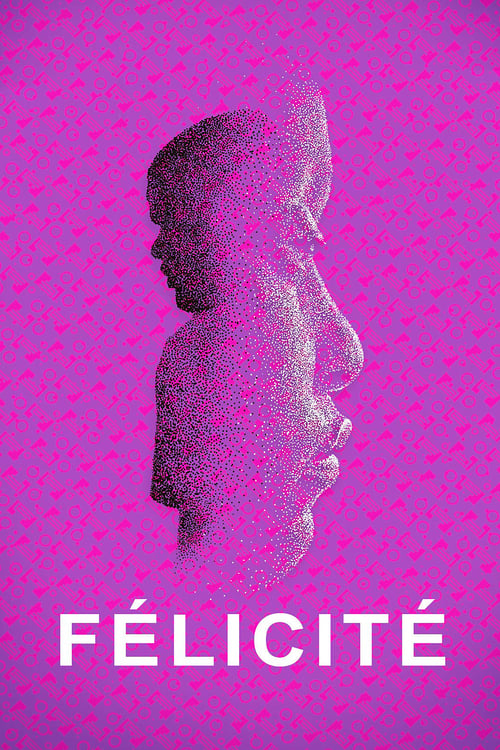
Felicite (Alain Gomis, 2017)
Alain Gomis structures Felicite around a bifurcated sound world, letting raw bar performances by the Kasai Allstars collide with orchestral surges of the Kinshasa Symphony...
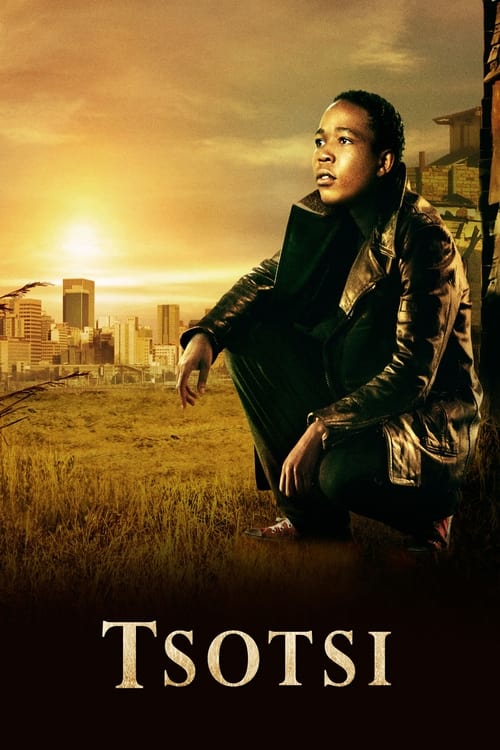
Tsotsi (Gavin Hood, 2005)
Gavin Hood directs Tsotsi as a tightly controlled redemption structure, using proximity and withheld backstory to force sympathy for a character introduced as purely violent. Hood...
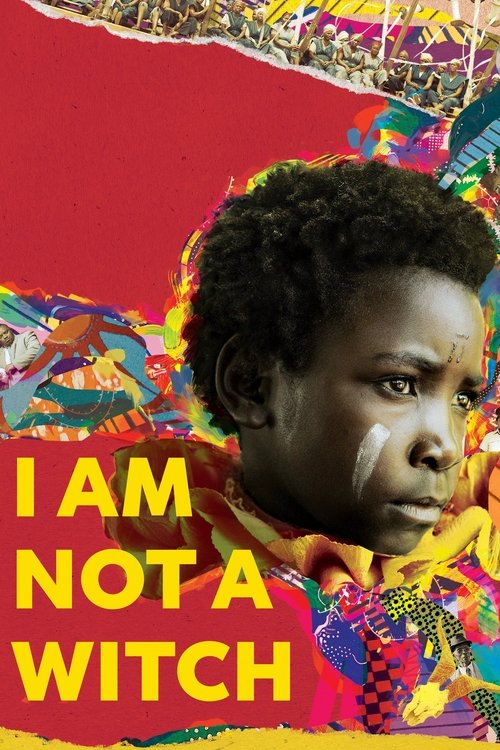
I Am Not a Witch (Rungano Nyoni, 2017)
Rungano Nyoni directs with a deadpan absurdist register that treats a genuinely horrifying premise, the ritual exile of women accused of witchcraft, without a single moment of...
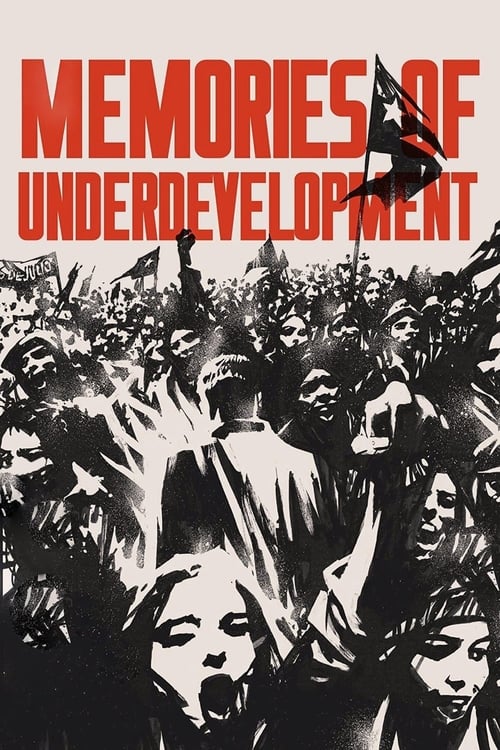
Memories of Underdevelopment (Tomas Gutierrez Alea, 1968)
Tomas Gutierrez Alea and editor Nelson Rodriguez fracture Memories of Underdevelopment's timeline by intercutting newsreel footage, documentary interviews and fictional narrative...

Black God, White Devil (Glauber Rocha, 1964)
Glauber Rocha and cinematographer Waldemar Lima shoot the Brazilian sertao in unforgiving high-contrast black and white, using deep focus wide shots that flatten actors against...
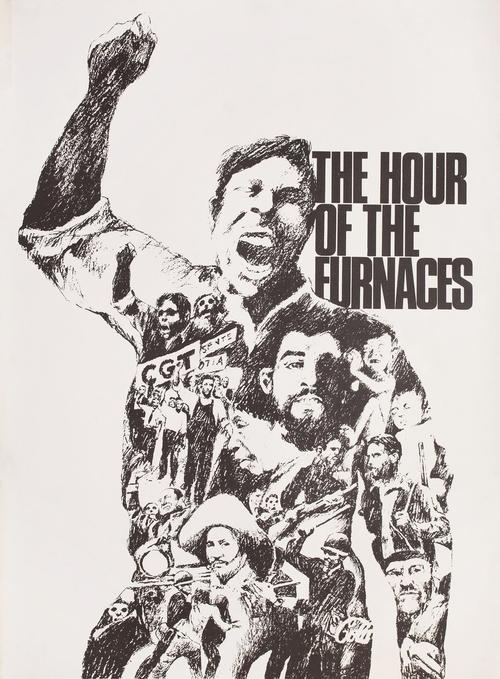
The Hour of the Furnaces (Octavio Getino, Fernando E. Solanas, 1968)
Fernando Solanas structures The Hour of the Furnaces as a three-part militant documentary essay, mixing agitprop intertitles, advertising parody, interview footage and montage...

Wild Tales (Damian Szifron, 2014)
Damian Szifron builds Wild Tales as six standalone short films unified only by a shared theme of ordinary people pushed to violent breaking points, a structural bet that each...
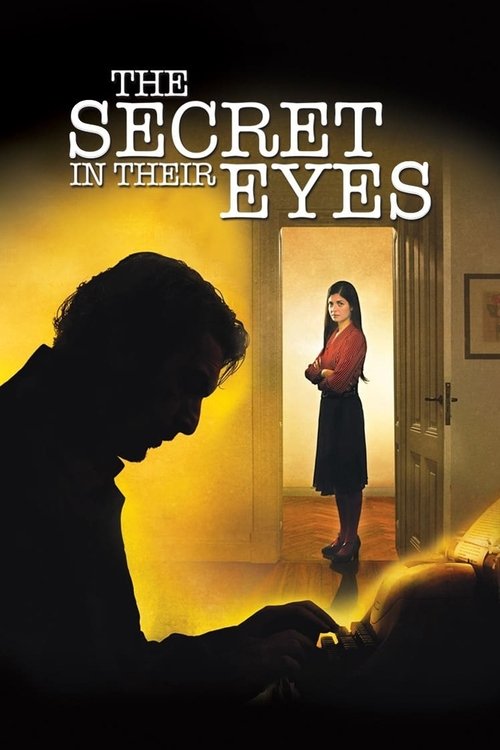
The Secret in Their Eyes (Juan Jose Campanella, 2009)
Juan Jose Campanella directs The Secret in Their Eyes around a dual timeline structure requiring precise control over how much information is withheld across a twenty-five year...

Zama (Lucrecia Martel, 2017)
Lucrecia Martel builds Zama's sound design as the film's true protagonist, layering insect drone, distant human voices and off-screen animal sounds so densely that dialogue often...
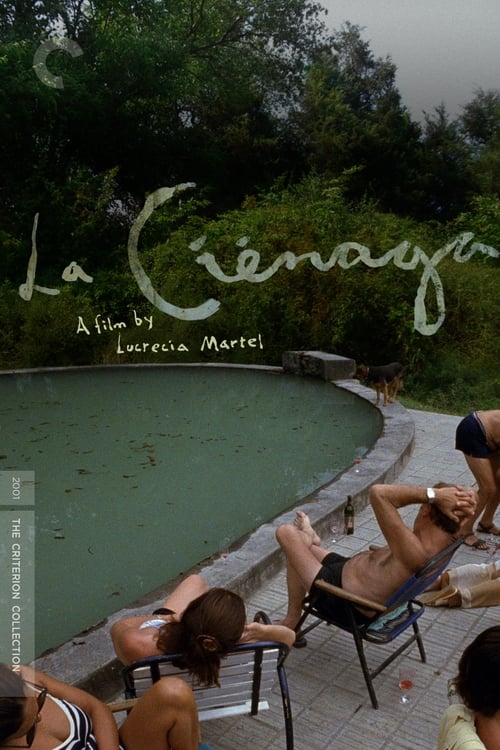
La Cienaga (Lucrecia Martel, 2001)
Lucrecia Martel and cinematographer Hugo Colace refuse establishing shots almost entirely, cutting instead between clustered close and medium frames that trap bodies against...
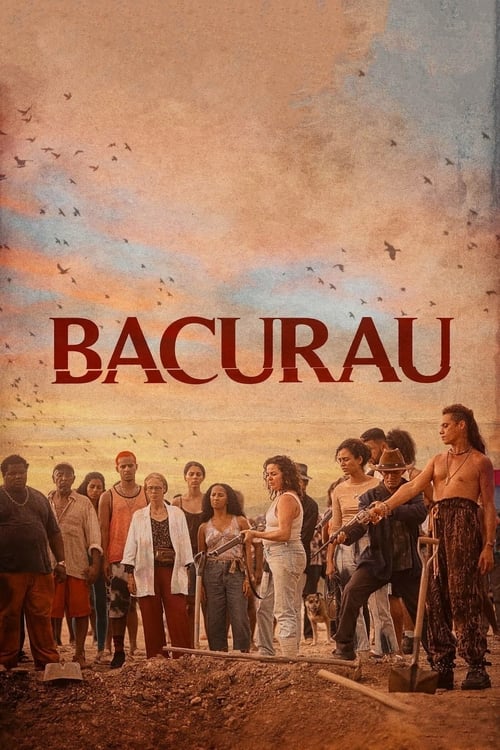
Bacurau (Kleber Mendonça Filho, Juliano Dornelles, 2019)
Kleber Mendonca Filho and co-director Juliano Dornelles build genre tension through geography first, opening with a slow drone descent that establishes the fictional town of...
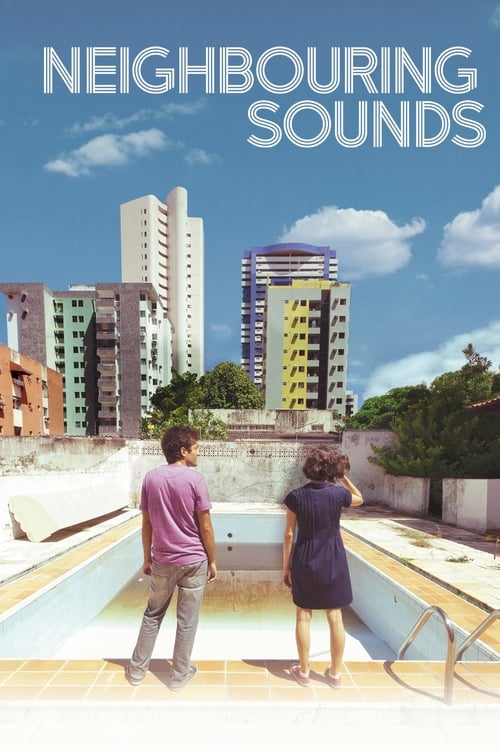
Neighboring Sounds (Kleber Mendonca Filho, 2012)
Kleber Mendonca Filho constructs his debut almost entirely from ambient sound design, using generator hums, distant traffic, dog barks and looping security alarms to build class...
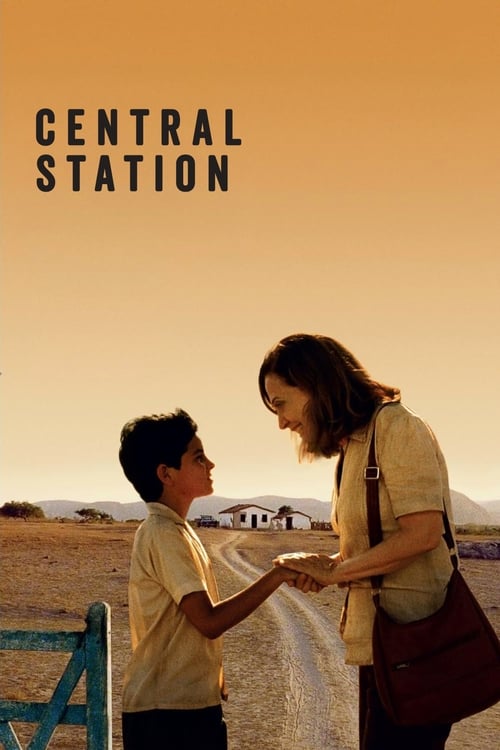
Central Station (Walter Salles, 1998)
Walter Salles and screenwriters Joao Emanuel Carneiro and Marcos Bernstein structure the road movie around a slow reversal of a hardened character, giving Dora concrete, specific...

Tigers Are Not Afraid (Issa Lopez, 2017)
Issa Lopez fuses fairy tale imagery with documentary grade violence, using chalk drawings that animate into blood trails and tiger murals to externalize trauma that her child...
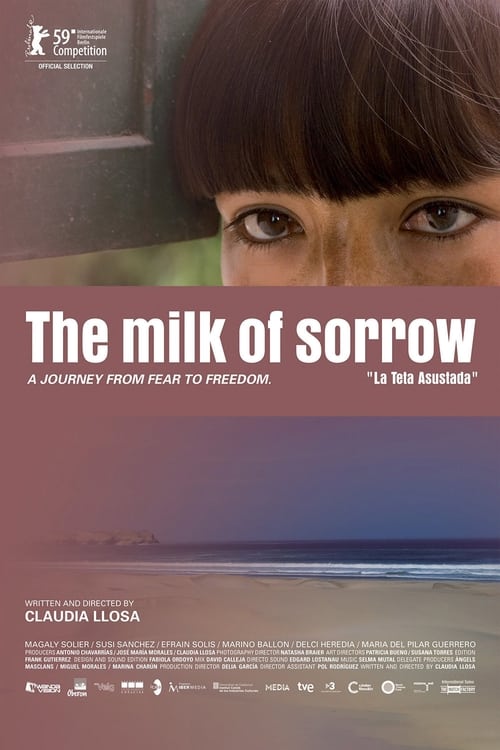
The Milk of Sorrow (Claudia Llosa, 2009)
Claudia Llosa and cinematographer Natasha Braier build the film's visual argument around color separation, staging the protagonist Fausta's interior world in muted earth tones...
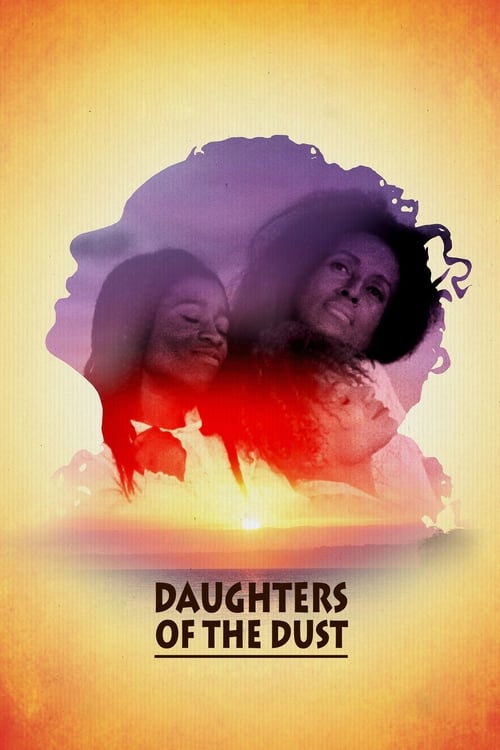
Daughters of the Dust (Julie Dash, 1991)
Julie Dash and cinematographer Arthur Jafa developed a visual language they called the pan Africanist aesthetic, using anamorphic widescreen, warm magic hour light and slow...
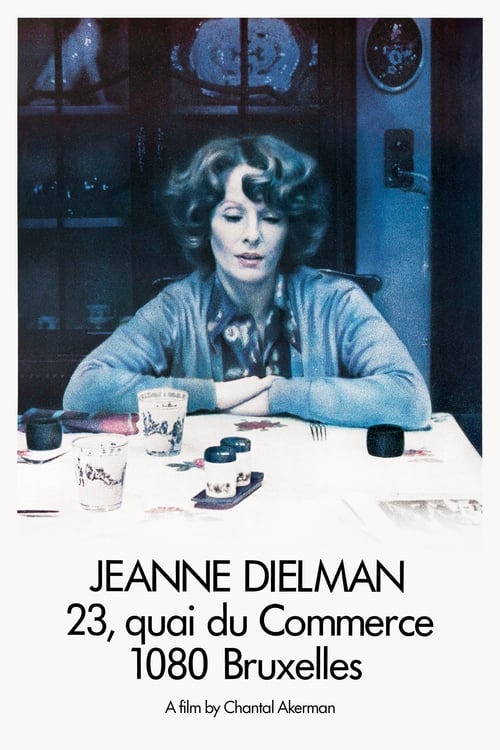
Jeanne Dielman, 23, quai du Commerce, 1080 Bruxelles (Chantal Akerman, 1975)
Chantal Akerman and editor Patricia Canino construct the film's meaning almost entirely through duration, holding static wide shots of domestic labor, peeling potatoes, making...
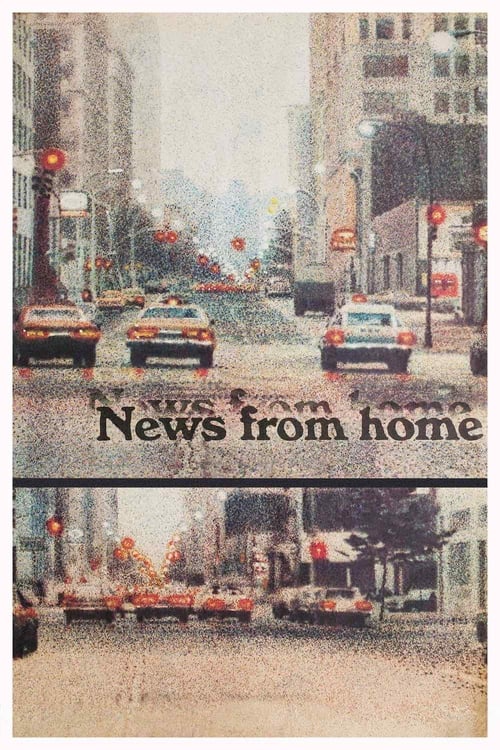
News from Home (Chantal Akerman, 1977)
Chantal Akerman builds the entire film from a structural mismatch between image and sound, pairing static long takes of 1970s New York streets and subways with her own voiceover...
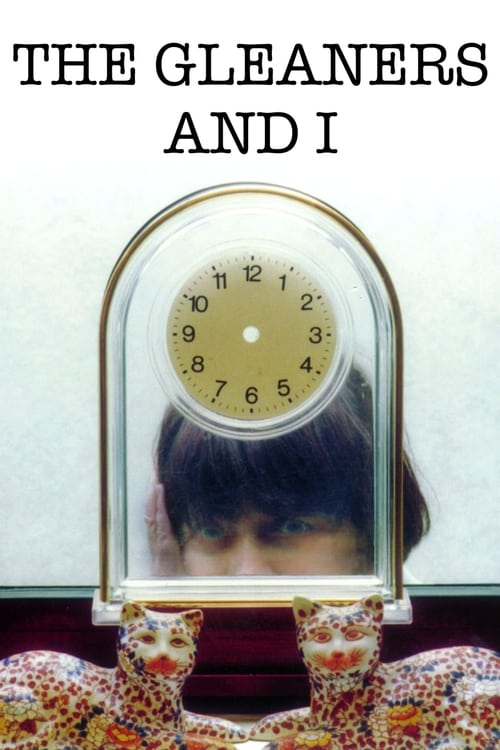
The Gleaners and I (Agnes Varda, 2000)
Agnes Varda shoots much of the film herself on an early digital camcorder, and the format choice is inseparable from the film's argument about waste and value, since the same...
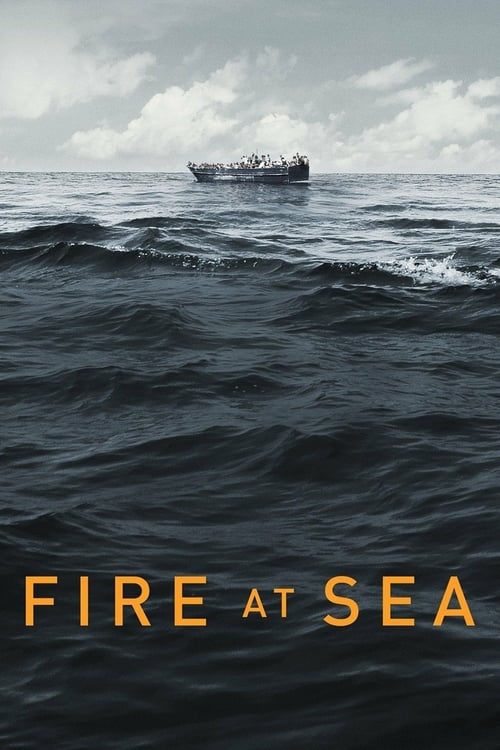
Fire at Sea (Gianfranco Rosi, 2016)
Gianfranco Rosi spent over a year on Lampedusa before shooting a frame, embedding with the islanders and coast guard until the camera stopped registering as an intrusion. He shot...
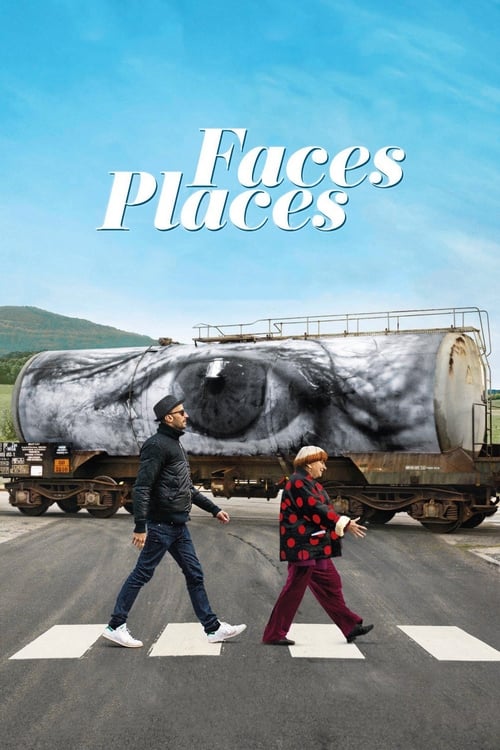
Faces Places (Agnès Varda, JR, 2017)
Agnes Varda co-directed with the street artist JR, and the film's method is inseparable from its apparatus: JR's photo truck, a mobile darkroom and printer that produces...
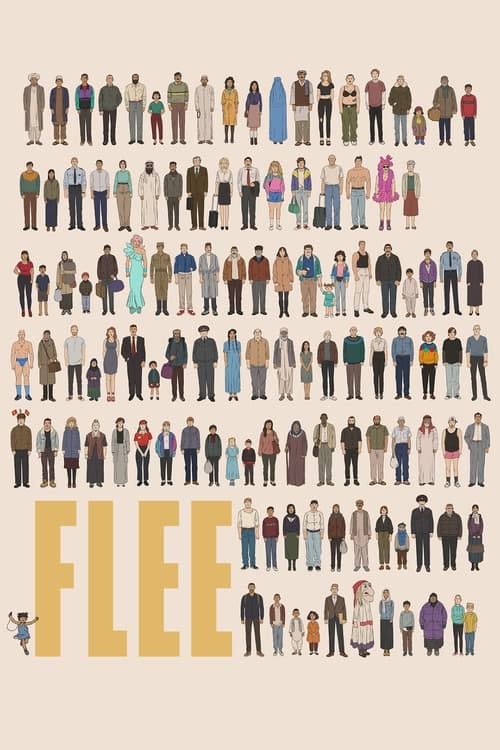
Flee (Jonas Poher Rasmussen, 2021)
Jonas Poher Rasmussen recorded his subject Amin's real voice over years of confidential audio interviews, then built animation around that testimony rather than filming a face...
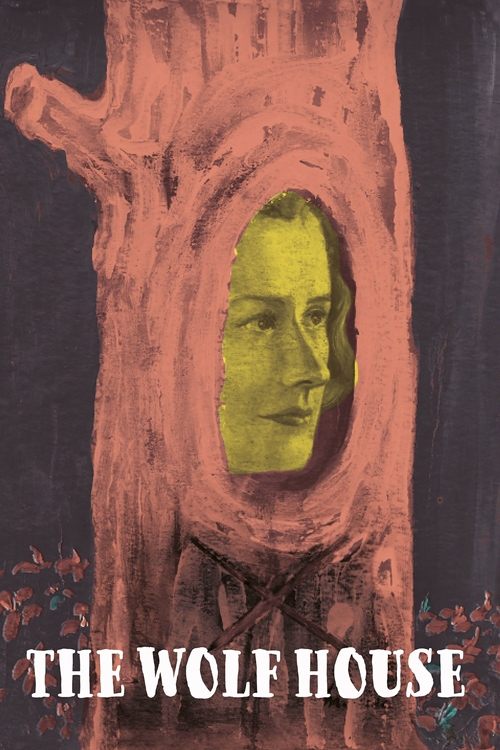
The Wolf House (Cristóbal León, Joaquín Cociña, 2018)
Cristobal Leon and Joaquin Cocina built The Wolf House as a single continuous illusion of one unbroken shot moving through a house whose walls are painted, then torn away and...

Marcel the Shell with Shoes On (Dean Fleischer Camp, 2022)
Dean Fleischer Camp shot Marcel in mockumentary live action plates, then composited a stop motion shell character into real handheld footage, meaning the character's voice...
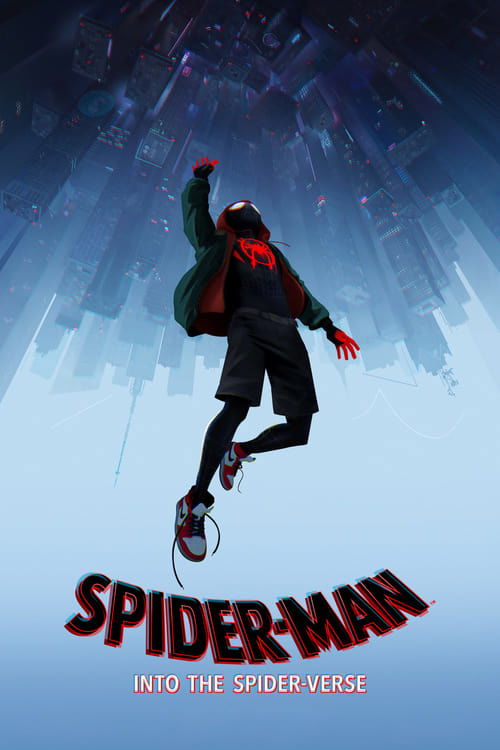
Spider-Man: Into the Spider-Verse (Bob Persichetti, Peter Ramsey, 2018)
Directors Bob Persichetti, Peter Ramsey and Rodney Rothman, with production designer Justin Thompson, deliberately broke the smoothness computer animation had spent two decades...
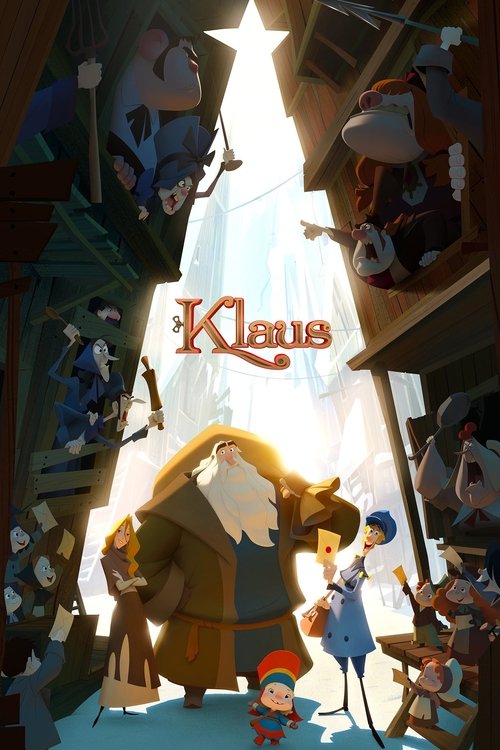
Klaus (Sergio Pablos, 2019)
Director Sergio Pablos and his team developed a hybrid lighting technique for this hand-drawn film, applying volumetric CG lighting and shadow passes on top of 2D character...

The Red Turtle (Michael Dudok de Wit, 2016)
Michael Dudok de Wit made this Studio Ghibli co-production entirely without dialogue, which pushed composer Laurent Perez del Mar into carrying nearly all emotional and narrative...
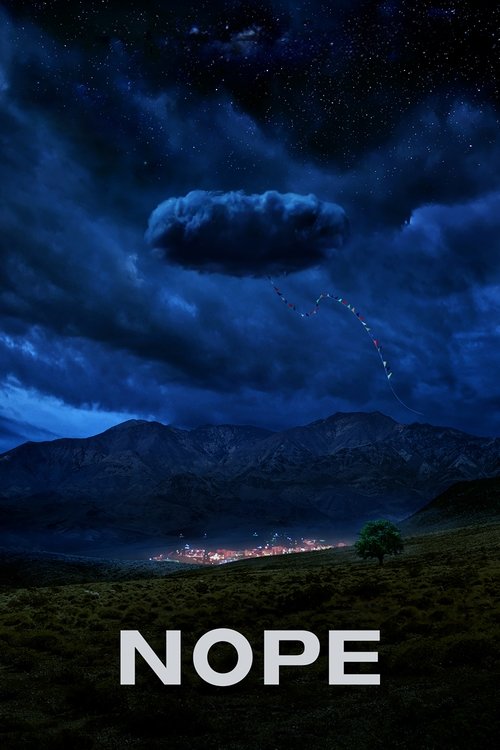
Nope (Jordan Peele, 2022)
Hoyte van Hoytema shot Nope on a mix of large-format IMAX film and 65mm, a choice made specifically so the alien creature and its cloud-like camouflage would read with maximum...
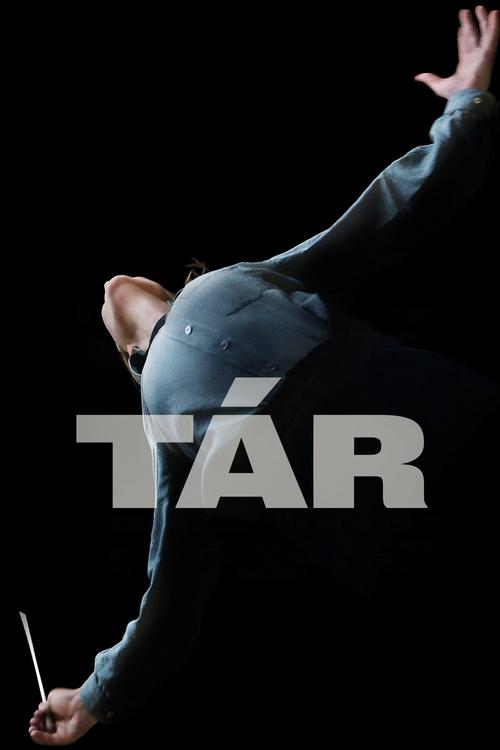
Tar (Todd Field, 2022)
Todd Field opens Tar with a nearly unbroken sixteen-minute onstage interview scene, forcing Cate Blanchett to carry expository dialogue in real time with almost no cutaway, a...