Occupy Cinema › Film News
Pixar Bets Big on Nostalgia: Toy Story 5 Brings Back Iconic Voices for 2026 Release
Tom Hanks and Tim Allen are confirmed to reprise their roles as Woody and Buzz Lightyear for Toy Story 5, signaling a significant push into established IP for Disney and Pixar's 2026 slate.
By Occupy Cinema ·
The animation industry is buzzing. Disney and Pixar have officially confirmed the return of Tom Hanks and Tim Allen for Toy Story 5, slated for a 2026 release. This announcement solidifies a major strategic move: leveraging beloved, established franchises to anchor future slates. The decision to bring back Woody and Buzz Lightyear, after a seven-year hiatus since Toy Story 4, speaks volumes about the studio's current priorities and the commercial power of legacy characters.
For decades, Pixar has set the gold standard in computer-animated storytelling. The original Toy Story in 1995 was a groundbreaking achievement, not just artistically but technologically. Its success spawned a franchise that has collectively grossed over $3.2 billion worldwide across four main films, plus the spin-off Lightyear. The core appeal has always been the dynamic between Woody, the loyal cowboy, and Buzz, the intrepid space ranger, voiced by Hanks and Allen, respectively. Their return is a direct appeal to the multi-generational audience that has grown up with these characters, promising a continuity that spin-offs or new casts cannot deliver.
The Unseen Craft of Voice Acting
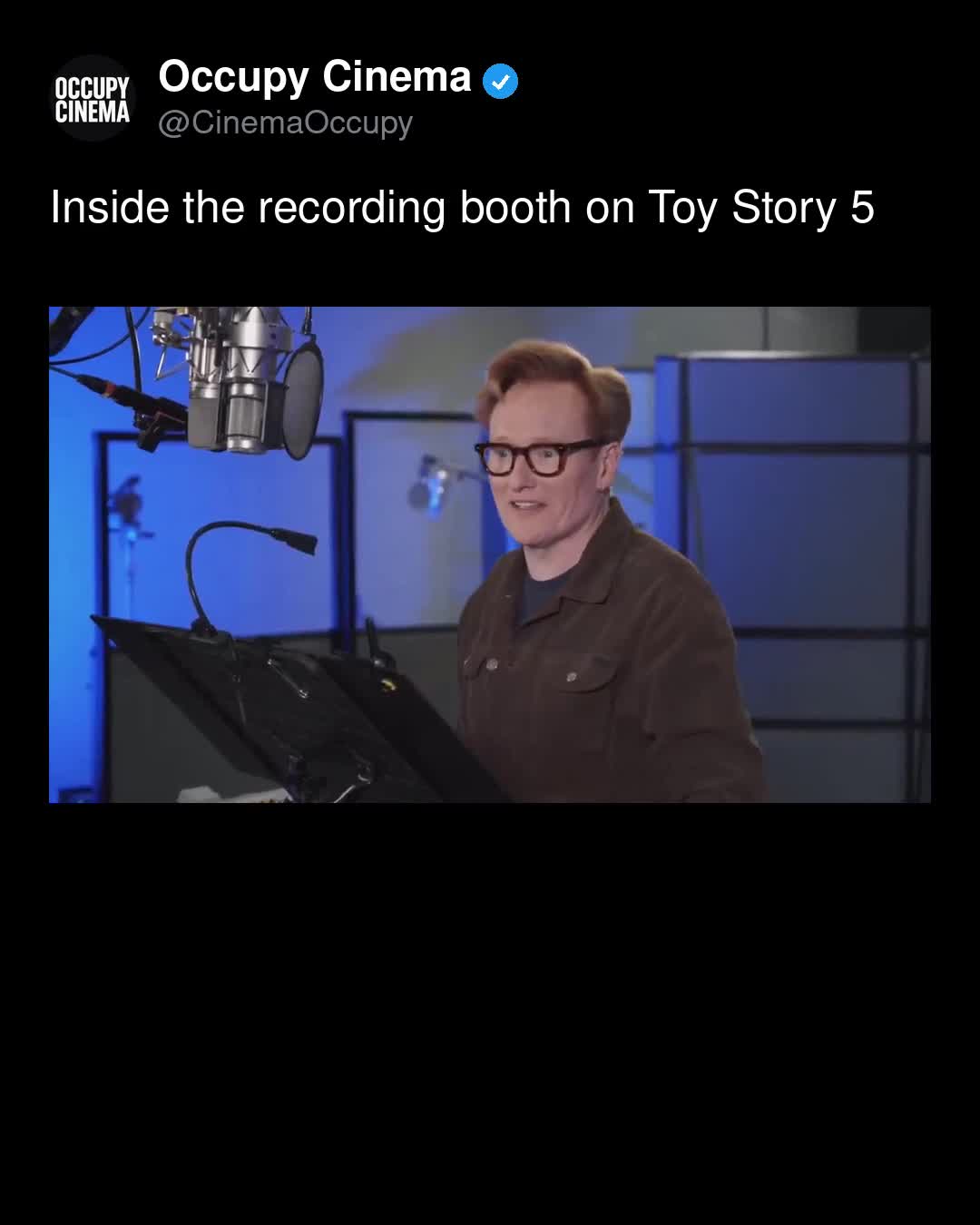
Behind these iconic performances lies a unique and often misunderstood craft: animation voice work. Unlike live-action acting, where scene partners, sets, and immediate visual cues inform a performance, animation voice actors typically work in isolation. Tom Hanks and Tim Allen, like most animation talent, recorded their lines alone in a sound booth, often months apart from their co-stars. The animation itself is then meticulously crafted around these isolated vocal tracks. This process demands an immense amount of imagination and discipline, as actors must conjure a scene and character interaction without any direct visual or auditory feedback from their peers. It is a testament to their skill that these performances feel so cohesive and emotionally resonant on screen.
This method has been standard practice at Pixar since its inception. Directors and vocal coaches guide the actors, describing the scene and providing context, but the onus is on the performer to deliver a nuanced, dynamic performance in a vacuum. The subtle inflections, emotional arcs, and comedic timing that define Woody and Buzz are born from this solitary effort, a testament to the actors' ability to create a living character from raw dialogue. The final product, a seamless integration of voice and animation, belies the fragmented nature of its creation. The success of Toy Story films hinges on this invisible labor, making the voice actor arguably the least understood, yet most crucial, contributor to the animated narrative.
Disney's Franchise Strategy
The greenlighting of Toy Story 5 also falls within a broader trend at Disney. Facing market pressures and the need to bolster its streaming services, the company has increasingly leaned on proven intellectual property. This strategy is evident across its live-action remakes, Marvel Cinematic Universe expansions, and continued animation sequels. While some critics argue this approach stifles originality, the commercial imperative is undeniable. Familiar characters and narratives provide a built-in audience and a safer bet in a highly competitive entertainment landscape. The financial performance of properties like Frozen, The Lion King, and the Star Wars saga underscores the value of established brands. By bringing back Woody and Buzz, Disney is banking on a guaranteed nostalgia hit, aiming to replicate past successes and draw viewers back to theaters and Disney+.
The 2026 release date positions Toy Story 5 as a tentpole event, likely anchoring a summer or holiday slot. While specifics on the plot remain under wraps, the mere confirmation of Hanks and Allen’s involvement has generated significant online buzz. The last installment, Toy Story 4, earned over $1.07 billion globally, proving the franchise's enduring appeal. Industry analysts will be watching closely to see if the new film can match or exceed these numbers, especially after a period where traditional animation has faced increased competition from streaming-first content. The question for Pixar is not just whether they can deliver another quality film, but whether the magic of Woody and Buzz can once again translate into blockbuster success in a rapidly evolving market.
The return of Woody and Buzz is more than just a casting announcement; it's a statement. Disney and Pixar are doubling down on what works, tapping into the emotional connection audiences have with these characters. For fans, it's a chance to revisit beloved friends. For the studio, it's a calculated move to secure its future by embracing its past, proving that sometimes, the most innovative path forward involves looking back to where it all began.